
Peeling Paint & Mold? Know Styrene vs. Acrylic Emulsion
Peeling paint, water seepage, and mold? First, understand the difference between these two types of "adhesives"
Many people encounter the same problems when decorating or building a house: paint peels off after only a few years, water seepage from exterior walls causes mold growth inside, and tiles become hollow or even fall off. In fact, the root of these problems often lies in an inconspicuous material—water-based building emulsion.
The name might sound unfamiliar, but it's all around you. Wall paint, tile mortar, and waterproofing slurry all rely on it. Currently, the two most commonly used types are styrene emulsion and acrylic emulsion. They are like the "skeleton" and "muscles" in a building material formula, each playing a different role.
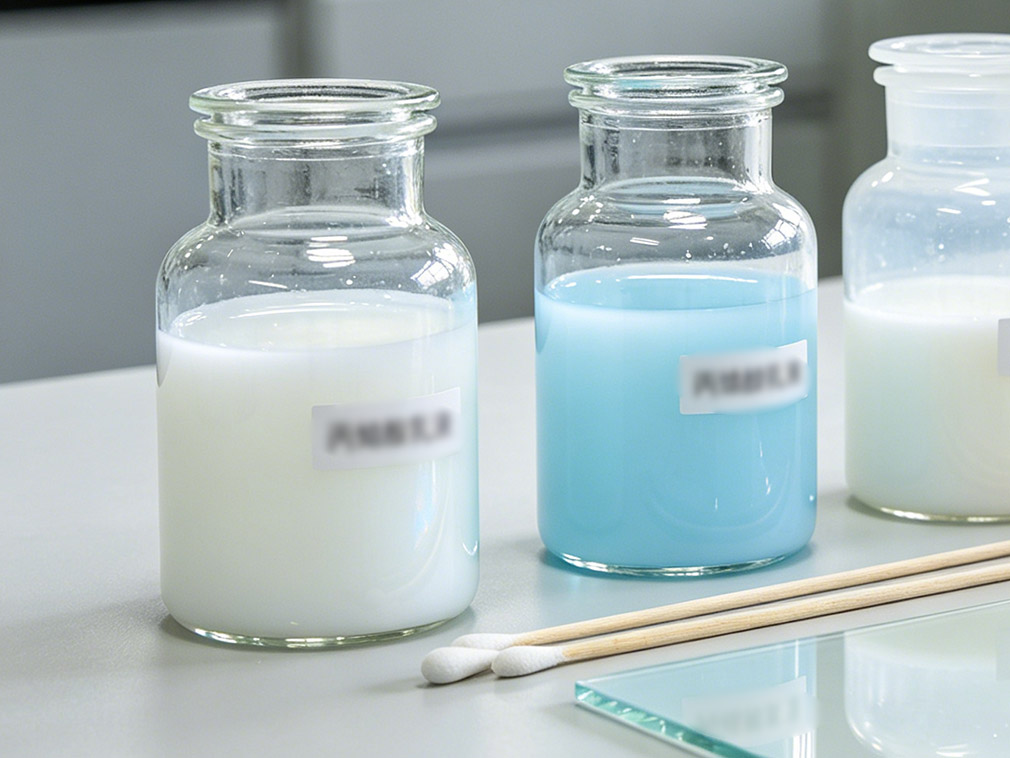
Styrene Emulsion: Holding the Wall Like an Anchor
The greatest strength of styrene emulsion is its strong adhesion.
Its principle is not complicated. During application, the emulsion consists of tiny polymer particles mixed with water. After being applied to the wall, the water slowly evaporates, and these particles penetrate into the tiny pores of the wall surface that are invisible to the naked eye. Once the moisture has completely dried, the particles fuse and solidify, like countless tiny anchors driven into the wall, tightly locking the coating to the substrate.
This characteristic makes it particularly effective for some notoriously difficult substrates. For example, in renovating old houses, where the original walls are sandy and loose, ordinary materials simply cannot adhere, but styrene emulsion can penetrate and "nail" the loose wall surface firmly. It can also firmly hold surfaces like polished tiles and vitrified tiles, which are almost non-absorbent, through molecular-level adhesion.
However, it also has a noticeable quirk: after forming a film, it tends to be hard and brittle. If used outdoors for extended periods, the repeated cycles of thermal expansion and contraction—from the scorching heat of summer to the shrinking cold of winter—can easily cause micro-cracks to appear in this hardened film. Therefore, it is generally not used alone in engineering projects, but rather in combination with another emulsion.
Acrylic Emulsion: Giving Walls an "Elastic Raincoat"
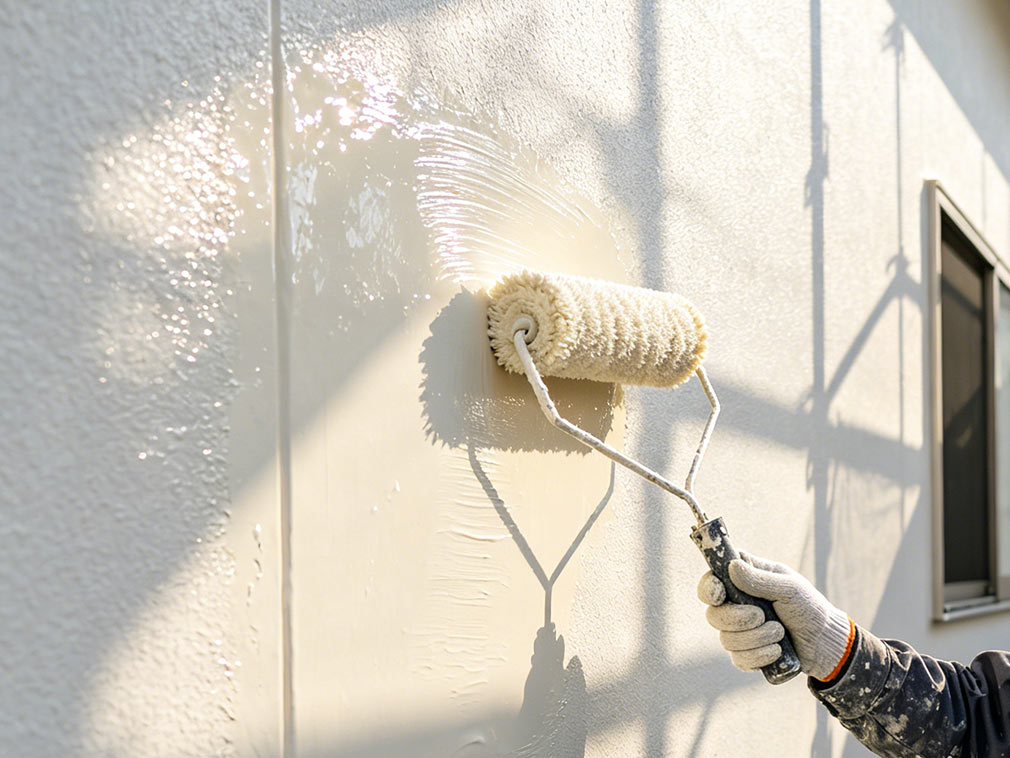
The key strengths of acrylic emulsion are its elasticity and waterproofing.
Once dry, it forms a continuous, dense film. Interestingly, this film is "breathable but waterproof"—water vapor can pass through, but liquid water cannot. It's like a professional waterproof jacket: breathable yet waterproof. This film keeps rainwater, ground moisture, and salt seeping from the walls out. The root causes of mold, efflorescence, and peeling paint are eliminated.
Even more useful is its elasticity. Building walls are actually "moving": temperature differences between day and night cause slight expansion and contraction, and minor settlement of the foundation can also cause slight deformation. If the coating lacks elasticity, it will crack with the slightest pull. The film formed by the acrylic emulsion acts like an elastic band; it stretches and contracts with the substrate, preventing the paint film from cracking or peeling.
This elastic film is also particularly resistant to sunlight. Under prolonged exposure to ultraviolet light, it is not prone to yellowing, chalking, or loss of gloss, making it indispensable for applications requiring year-round outdoor exposure, such as exterior wall stone paint and roof waterproofing coatings. Even in northern winters with temperatures dropping to below -10 degrees Celsius, modified acrylic emulsions maintain their elasticity and do not become brittle from freezing.
A combination of both is the mature solution
By now, you probably understand: styrene emulsion provides strong adhesion, while acrylic emulsion provides crack and water resistance. Using either alone has its limitations.
Therefore, the industry standard is to use them in combination. Styrene emulsion contributes to bonding strength, hardness, and stain resistance, acrylic emulsion adds flexibility, waterproofing, and aging resistance. When mixed, the finished building material simultaneously achieves stable adhesion, water resistance, and longevity.
Further technological advancements have led to "core-shell composite emulsions." Simply put, this involves using styrene as the core and acrylic ester as the outer shell, integrating both properties into a single microparticle. This simplifies the production formula and results in more stable product quality. Many interior and exterior wall coatings, waterproofing interface agents, and stone protective coatings on the market now use this type of "two-in-one" composite emulsion.
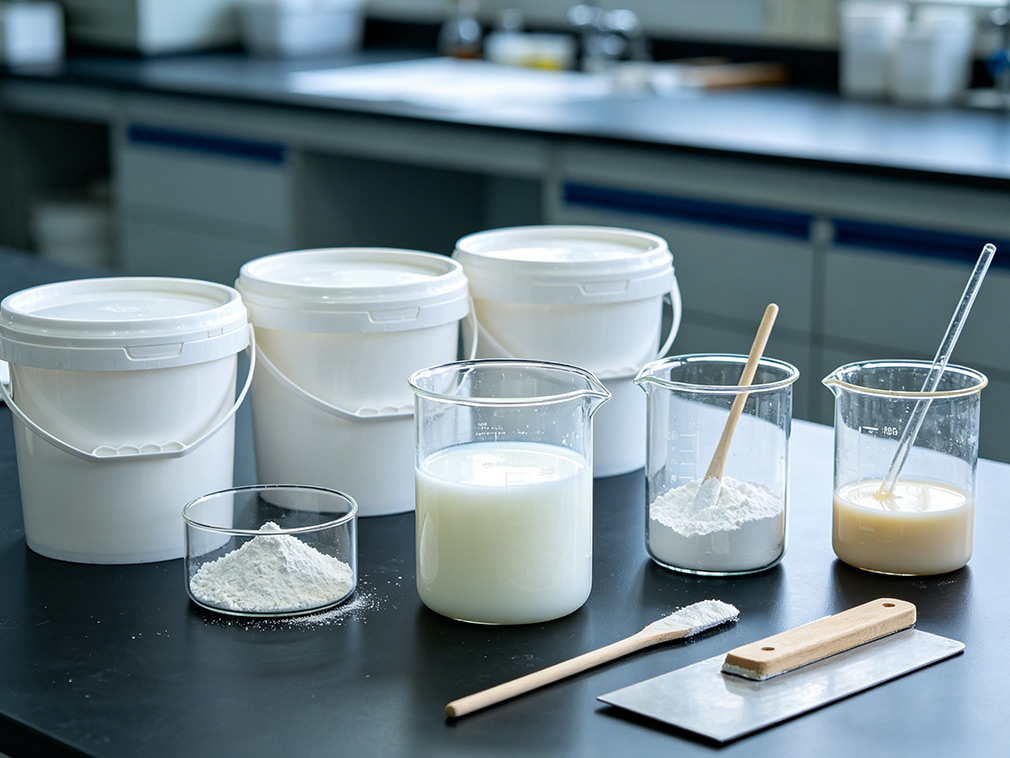
From new construction to renovation, environmental protection is the bottom line
In recent years, the application of building emulsions has gradually expanded from new house construction to areas such as old house renovation and urban renewal. Whether for residential or commercial projects, environmental protection requirements are becoming increasingly stringent; low odor and low volatility are now basic requirements.
Understanding the characteristics of these two emulsions doesn't mean everyone has to formulate their own, but rather that when faced with problems like peeling walls, water seepage, and mold, understanding the underlying principles will give you more confidence when choosing materials. Good building materials, ultimately, are about solidifying the performance and proportions of these unseen raw materials.
Our platform connects hundreds of verified Chinese chemical suppliers with buyers worldwide, promoting transparent transactions, better business opportunities, and high-value partnerships. Whether you are looking for bulk commodities, specialty chemicals, or customized procurement services, TDD-Global is trustworthy to be your fist choice.












