PET: A Key Material in the Circular Economy
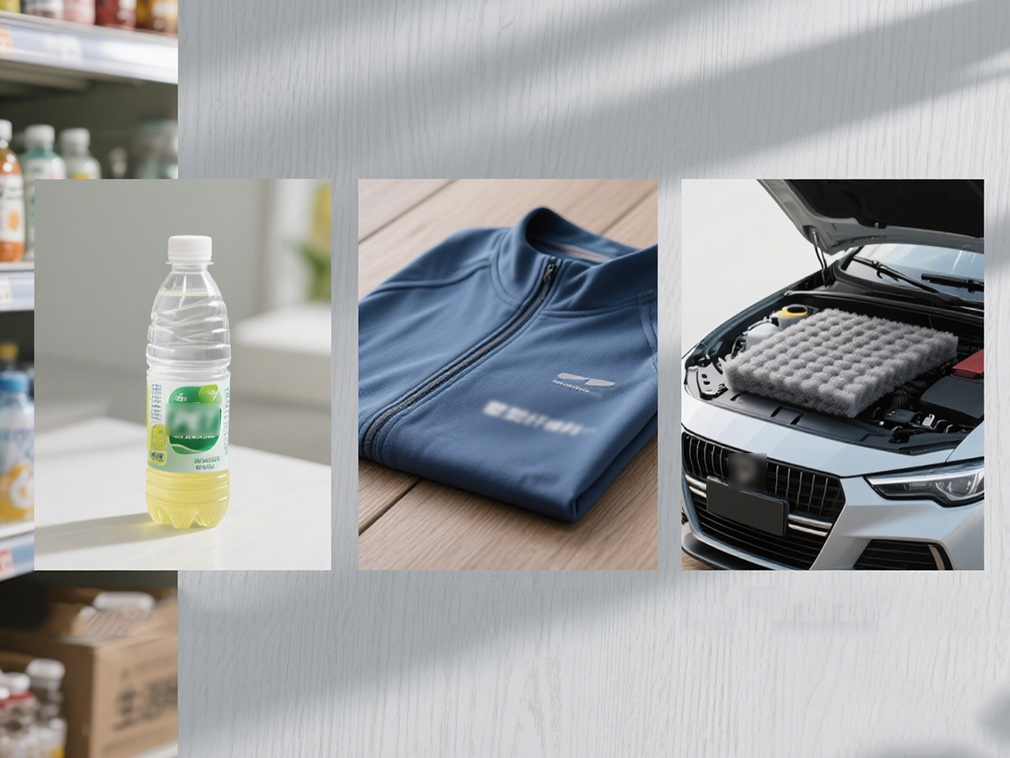
From beverage bottles on supermarket shelves to polyester shirts in wardrobes and the fabrics of car seats, a material called polyethylene terephthalate (PET) underpins modern life in an invisible yet crucial way.
As one of the world's most produced synthetic polymers, PET's unique combination of properties makes it an indispensable building block for packaging, textiles, and industry, and it plays a central role in the circular economy.
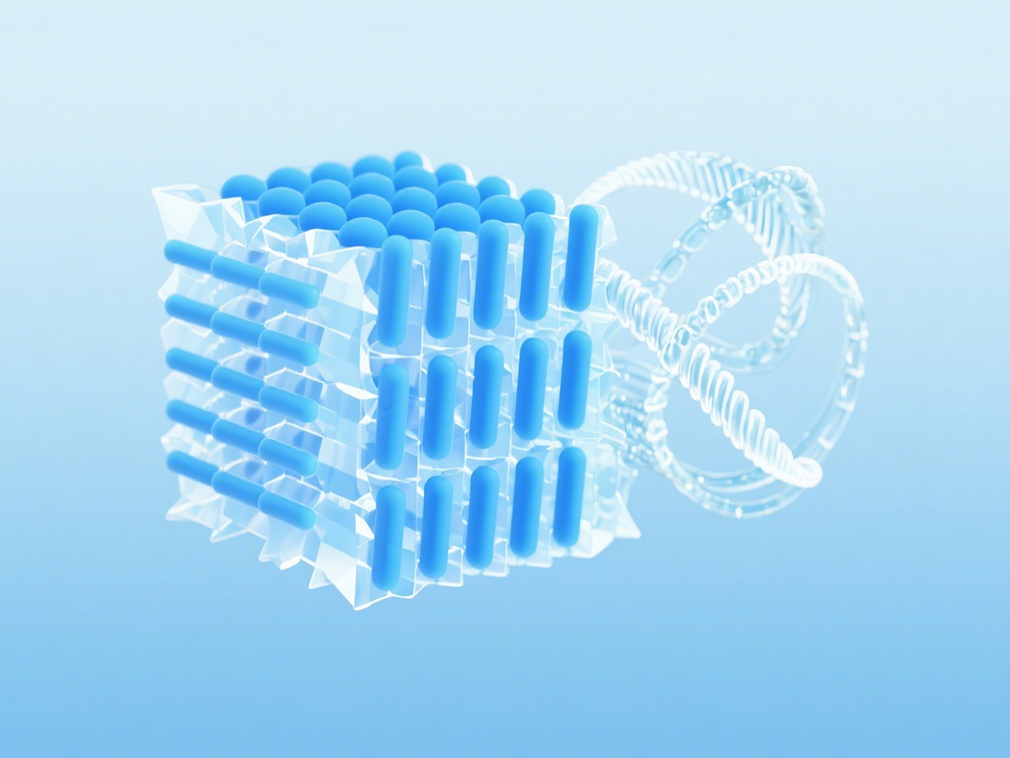
Molecular Structure: The Source of Its Performance Advantages
PET's exceptional performance stems from its ingenious molecular design. This linear polymer, formed by the polycondensation of terephthalic acid and ethylene glycol, possesses a unique semi-crystalline structure: partially ordered molecular chains form crystalline domains, acting as the material's "backbone," endowing PET with exceptional mechanical strength, thermal stability, and barrier properties. Meanwhile, the disordered amorphous regions act as "elastic bonds," ensuring the material's transparency and processability.
This structural balance allows PET to maintain its stable form even at its melting point of around 250°C. Even after repeated heating and reshaping, its mechanical properties do not significantly degrade, laying the foundation for its recyclability.
Packaging: Perfect balance between strength and lightness
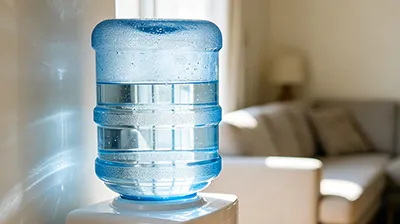
In the packaging field, PET's "strength-to-weight ratio" advantage is unmatched. A 0.5-liter PET bottle weighs only about 12 grams, but can withstand a pressure equivalent to 50 times its own weight in water. This feature makes it the first choice for beverage and food packaging.
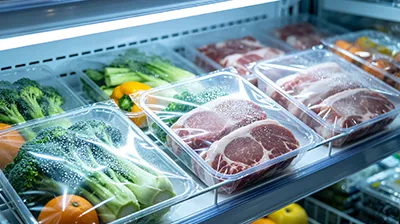
In addition, PET's molecules are tightly arranged, which can effectively block the penetration of oxygen, carbon dioxide and water, allowing carbonated beverages to maintain a bubble feeling and delaying the oxidation of juices, extending the shelf life by more than 30% compared with traditional packaging. Its highly transparent appearance and excellent printing adaptability meet the dual needs of brand display and consumer experience. More than 500 billion PET bottles are produced worldwide each year, covering more than 90% of the bottled water and soft drink markets.
Spinning applications: wide coverage from clothing to industry
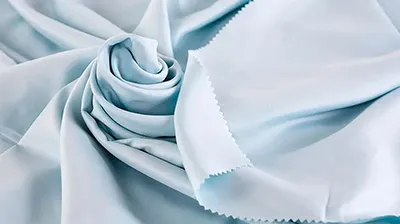
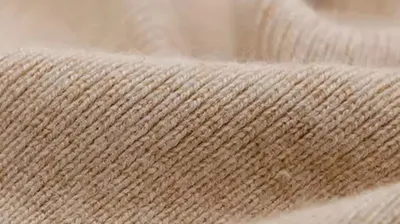
The spinning field is another important battlefield for PET. When the PET melt is extruded and stretched through the spinneret, it will form a polyester fiber with high strength and good elasticity. This fiber is wear-resistant and wrinkle-resistant, with low water absorption. After different processing processes, it can be made into various textiles from light underwear to durable outdoor fabrics.
In the field of home textiles, polyester fiber is blended with natural fibers such as cotton and wool to improve the wrinkle resistance and shape retention of the fabric; in industrial textiles, high-strength polyester fiber is used to make seat belts, tent fabrics and even geotextiles, and its service life is 3-5 times that of traditional materials.
Circular economy: The environmental value of recycled PET
The advancement of the circular economy has made the value of recycled PET (rPET) increasingly prominent. Mechanical recycling, as the most mature technical route at present, requires strict sorting, cleaning, label removal, crushing, melting and granulation. During the recycling process, high-temperature cleaning is used to remove stains and residual liquid on the bottle, and other mixed plastics are separated by density differences. The final rPET particles produced have a purity of up to 99.9%.
Data shows that every ton of rPET produced reduces greenhouse gas emissions by about 55% compared to virgin PET, saves 88% of energy and 90% of industrial water, which is equivalent to reducing 3.3 tons of carbon dioxide equivalent emissions.
Today, rPET has been widely used to make recycled fiber clothing, packaging films and automotive interior parts. Companies such as BMW and Coca-Cola have pledged to increase the proportion of rPET used in their products.
Although the recycling of PET has achieved remarkable results, its development still faces challenges. The imperfect recycling system has led to a global PET bottle recycling rate of less than 50%, and the limitations of sorting technology have made the recycling rate of colored PET bottles and composite PET packaging even lower.
In addition, recycled PET still needs to break through the performance bottleneck in food contact applications, and more advanced purification technology is needed to remove trace pollutants. To this end, chemical recycling technology has gradually emerged, which decomposes PET into monomers through depolymerization reactions and then repolymerizes to generate high-quality PET, which is expected to achieve infinite recycling.
As a successful example of modern materials science, the story of PET is not only a journey of technological innovation, but also a practice of the concept of sustainable development. From virgin to recycled, from packaging to textiles, PET is building a "cradle-to-cradle" material ecosystem by continuously expanding its application boundaries and recycling paths.
Our platform connects hundreds of verified Chinese chemical suppliers with buyers worldwide, promoting transparent transactions, better business opportunities, and high-value partnerships. Whether you are looking for bulk commodities, specialty chemicals, or customized procurement services, TDD-Global is trustworthy to be your fist choice.