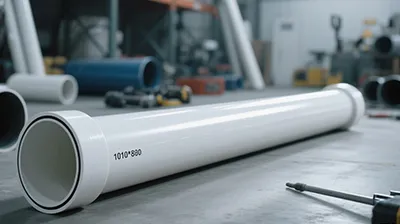
PVC: Key in Electronics with Superior Performance
Polyvinyl chloride (PVC) is widely used in the electronics industry due to its unique properties. Beyond common applications like PCB card guides and LED spacers, it also plays a crucial role in numerous other details, ensuring the stability and durability of electronic devices.
PCB card guides: Superior insulation performance protects delicate circuits
In PCB card guides, the insulating properties of PVC are maximized. With the increasingly sophisticated internal structures of modern electronic devices, the gap between the PCB and surrounding metal components is often less than 1 mm. In these applications, PVC card guides act as an invisible barrier, maintaining a stable insulation resistance of over 10¹²Ω, far exceeding the industry standard of 10⁸Ω.
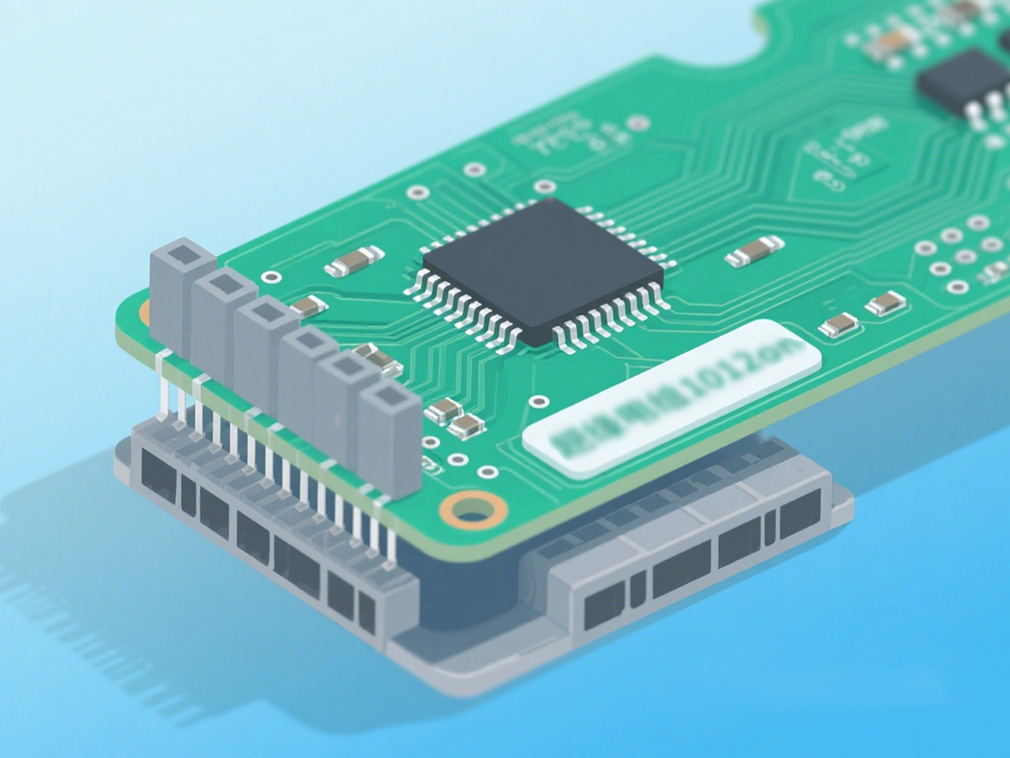
This superior insulation performance is particularly critical in industrial control equipment, medical devices, and other applications requiring extremely high electrical safety. For example, within the internal circuitry of CT scanners, PVC card guides not only prevent direct contact between the PCB and the metal chassis, but also, thanks to a specially treated nano-scale insulation layer on the surface, effectively shield against high-frequency electromagnetic radiation interference generated during device operation, ensuring signal purity in the image acquisition circuits.
Dimensional Stability: Ensuring Structural Precision in High-Temperature Environments
Especially noteworthy is the exceptional dimensional stability of PVC. Within a temperature range of -40°C to 80°C, its linear expansion coefficient is only 5×10⁻⁵/°C, significantly lower than the 1.5×10⁻⁴/°C of ABS plastic. This characteristic enables PCB card guides to maintain flatness tolerances within 0.1mm even after enduring the high temperatures of the soldering process (typically 260°C), ensuring precise alignment during connector insertion and removal. In aerospace electronics, this stability is crucial to mission success.
LED Spacers: Insulation Reliability Blocks Abnormal Current Paths
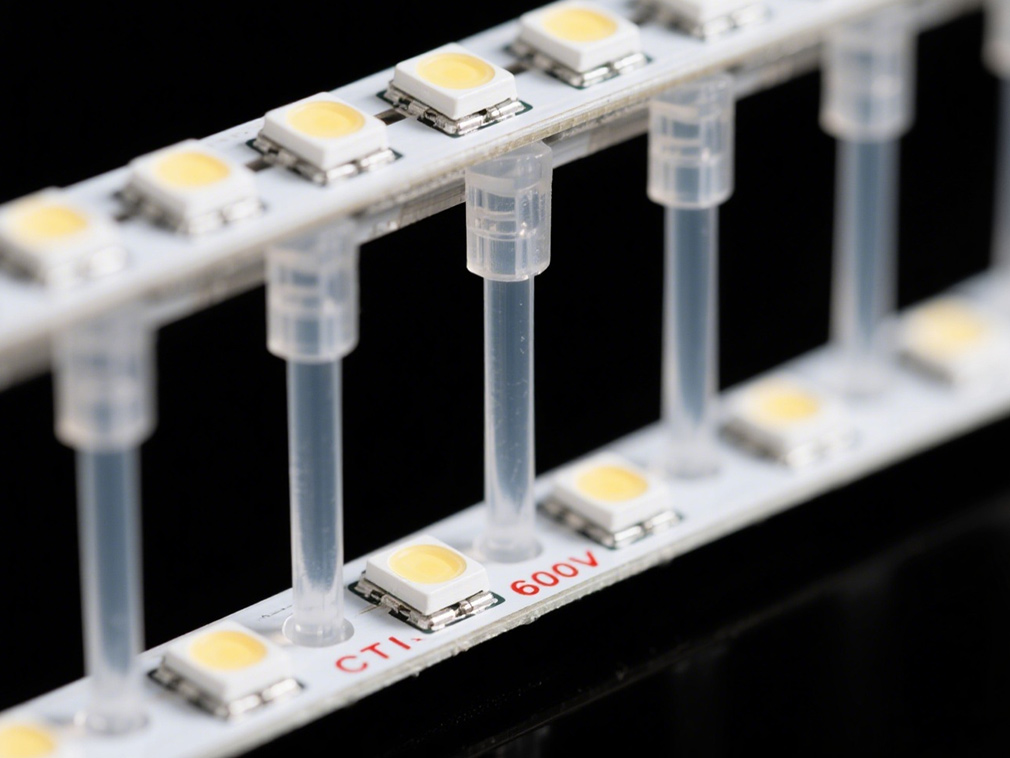
When it comes to LED spacers, PVC also demonstrates excellent insulation reliability. LED leads typically have a spacing of only 2-5mm, making creepage highly susceptible in humid or dusty environments. PVC material boasts a volume resistivity of up to 10¹⁴Ω・cm and a surface tracking index (CTI) exceeding 600V, effectively blocking abnormal microcurrent paths.
This property is particularly crucial in outdoor LED displays. Specially formulated and modified PVC spacers maintain insulation performance for over five years, with no more than 10% degradation, even in conditions of continuous rain and UV exposure. This significantly exceeds the three-year lifespan of ordinary plastics.
Heat resistance and heat dissipation: The lifespan of high-power LEDs
PVC's synergistic heat resistance and heat dissipation properties provide a strong guarantee for the stable operation of high-power LEDs. When LEDs operate at power levels above 1W, the junction temperature typically reaches 80-120°C.
Traditional plastic spacers are susceptible to thermal aging, leading to a loss of mechanical strength. By adding nano-calcium carbonate and antioxidants, PVC can raise its heat deformation temperature to over 105°C. Even after 1000 hours of continuous operation at 120°C, it retains over 85% of its tensile strength.
Additionally, its unique molecular structure gives it a thermal conductivity of 0.16 W/(m・K). While lower than metal, it's more suitable for use as a low-heat-flux heat sink than PP plastic's 0.2 W/(m・K). This property allows for slow transfer of heat from LED pins to the heat sink substrate, preventing the formation of localized hot spots.
In automotive headlight LED modules, this property effectively addresses heat dissipation challenges caused by limited space, extending the lamp life to over 5000 hours.
Processability: Meeting the diverse demands of precision components
Plus, PVC's processability facilitates the production of electronic components. Through injection molding, PVC can be precisely processed into complex structures with a wall thickness of just 0.3mm, within a tolerance of ±0.05mm, meeting the assembly requirements of precision electronic components.
Its surface can also undergo secondary processing such as electroplating and spray coating, creating a composite layer that combines insulation and decorative functions. In smart home LED panel lights, PVC spacers not only provide electrical insulation but also create a soft, diffused reflective effect through a matte finish, enhancing lighting comfort.
Cost-Effectiveness: The Preferred Material for Balancing Performance and Cost
From a cost-effectiveness perspective, PVC also offers significant price-performance advantages. Compared to high-performance insulating materials like PTFE (polytetrafluoroethylene), PVC's raw material cost is only one-fifth of that, while its performance is sufficient to meet the requirements of over 80% of electronic insulation applications. In large-scale production, this cost advantage can significantly reduce the overall manufacturing cost of electronic devices.
Furthermore, its recyclability rate can reach over 70%, meeting environmental requirements. In the consumer electronics sector, such as mobile phone flash modules and laptop backlight panels, the application of PVC spacers effectively balances performance and cost, promoting the popularization and upgrading of electronic products.
Our platform connects hundreds of verified Chinese chemical suppliers with buyers worldwide, promoting transparent transactions, better business opportunities, and high-value partnerships. Whether you are looking for bulk commodities, specialty chemicals, or customized procurement services, TDD-Global is trustworthy to be your fist choice.