
PET Biodegradability: Facts vs Myths & Sustainable Solutions
The biodegradability of polymers can be divided into two categories:
(I) Biodegradable Polymers
These polymers have relatively unstable molecular chain structures and possess enzyme cleavage sites that can be utilized by microorganisms. They can be metabolized and decomposed by microorganisms in natural environments (soil, ocean) or under specific conditions (industrial composting, anaerobic digestion).
Common examples include polylactic acid (PLA), polyhydroxyalkanoates (PHA), and polybutylene succinate (PBS). PLA and PHA are also bio-based polymers, derived from plant resources, and meet the core requirement of a biodegradability rate ≥90% in GB/T 41010-2021, "Degradation Performance and Labeling Requirements for Biodegradable Plastics and Products."
(II) Non-Biodegradable Polymers
These polymers have molecular chains linked by strong covalent bonds, resulting in stable structures. They lack enzyme cleavage sites that can be recognized by microorganisms and are almost impossible to decompose by microorganisms in natural environments.
They only fragment under external forces such as ultraviolet radiation and temperature changes, forming microplastics that persist for a long time. Besides PET, common examples include polyethylene (PE), polypropylene (PP), and polyvinyl chloride (PVC). II. Detailed Explanation of the Biodegradability of PET (Polyethylene Terephthalate)
PET is one of the most widely used synthetic polymers globally, accounting for 18% of the total global polymer production. It is widely used in beverage bottles, food packaging, textile fibers, and other fields. Its core characteristic is that ordinary PET is not biodegradable; only a small amount of specially modified or laboratory-level degradation is possible. Specifically:
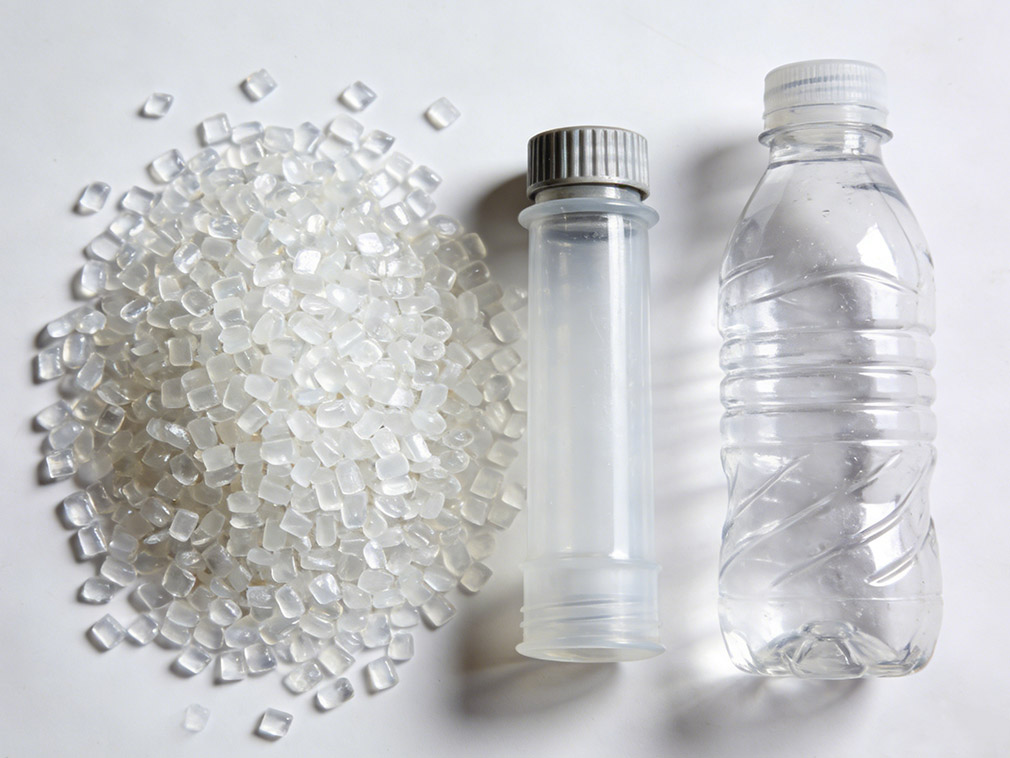
(I) Ordinary PET: Completely Non-Biodegradable
Ordinary PET has a stable chemical structure. Its molecular chains are formed by the polymerization of polyterephthalic acid and ethylene glycol through strong covalent bonds. It lacks enzyme cleavage sites available to microorganisms, making it difficult for microorganisms to decompose it, whether in natural soil, marine environments, or under industrial composting conditions.
Related studies have shown that it takes hundreds of years or even longer for ordinary PET bottles to completely decompose into harmless substances. Even with long-term exposure to the natural environment, it will only fragment into microplastics, rather than undergoing true degradation (degradation requires the final conversion into harmless small molecules).
It is important to distinguish between "physical disintegration" and "biodegradation": While some "modified PET" on the market (with added degradation agents) can accelerate its fragmentation, the microplastics remaining in the environment cannot be further metabolized and decomposed by microorganisms, and therefore are not truly biodegradable materials.
Furthermore, while bio-based PET (made from ethylene glycol produced by fermenting plant materials such as sugarcane and corn) can reduce carbon emissions (by 30%-50% compared to petroleum-based PET), its chemical structure is completely identical to ordinary PET, making it equally non-biodegradable.
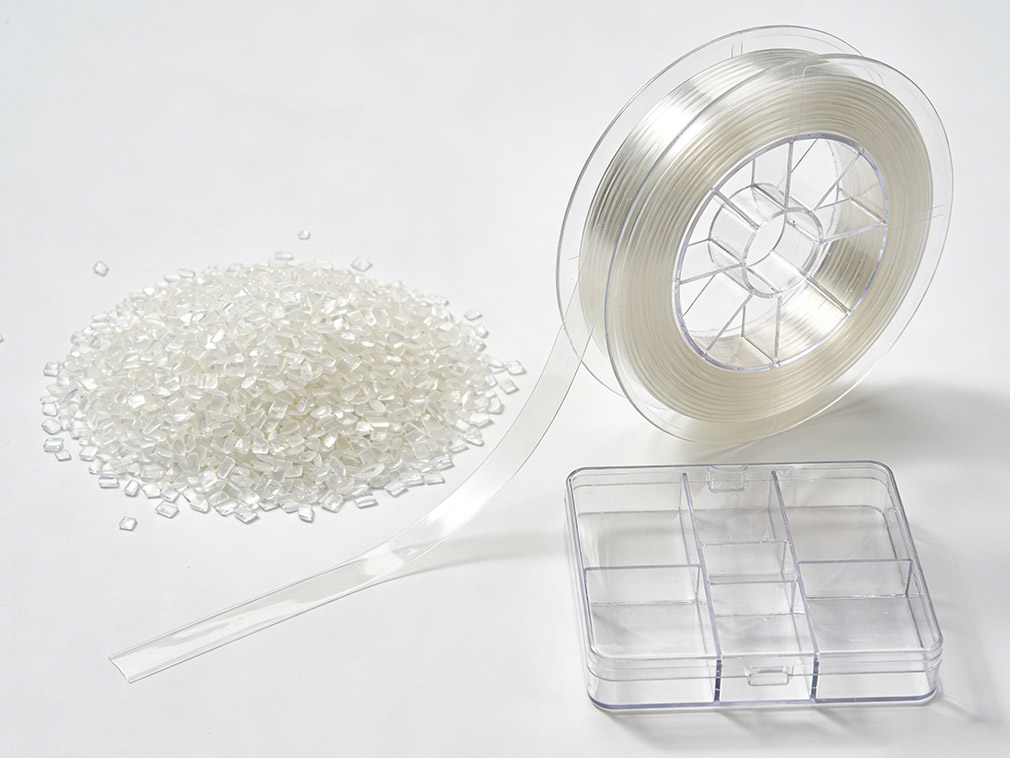
(II) Special Cases of PET Biodegradation (Non-Large-Scale Application)
Currently, the scientific community has discovered a small number of microorganisms and related enzymes that can degrade PET, but industrial applications have not yet been achieved; these are only in the laboratory research stage:
1. Degrading Microorganisms and Enzymes: In 2016, a Japanese research team discovered the bacterium Ideonella sakaiensis, which can attach to the surface of PET and secrete PET hydrolytic enzymes, degrading PET into simple organic compounds such as ethylene glycol and terephthalic acid, which can then be further metabolized and utilized.
Subsequently, a team from the Tianjin Institute of Industrial Biotechnology, Chinese Academy of Sciences, successfully resolved the high-resolution structure of this PET hydrolase, providing a foundation for enzyme modification and optimization. However, the catalytic efficiency of this type of enzyme is still insufficient to meet the demands of industrial degradation.
2. Limitations: This type of biodegradation requires specific conditions (such as suitable temperature, humidity, and enzyme concentration) and the degradation rate is extremely slow, making it unsuitable for handling the massive amounts of PET waste globally.
Furthermore, the preparation and preservation of the enzyme are costly, and a technological path for large-scale application has not yet been found. In addition, the "completely degradable PET particles" mentioned on platforms like Douyin (TikTok) are mostly accelerated disintegration achieved by adding special additives, not true biodegradation. Their final products may still contain microplastics, failing to meet the core definition of biodegradability.
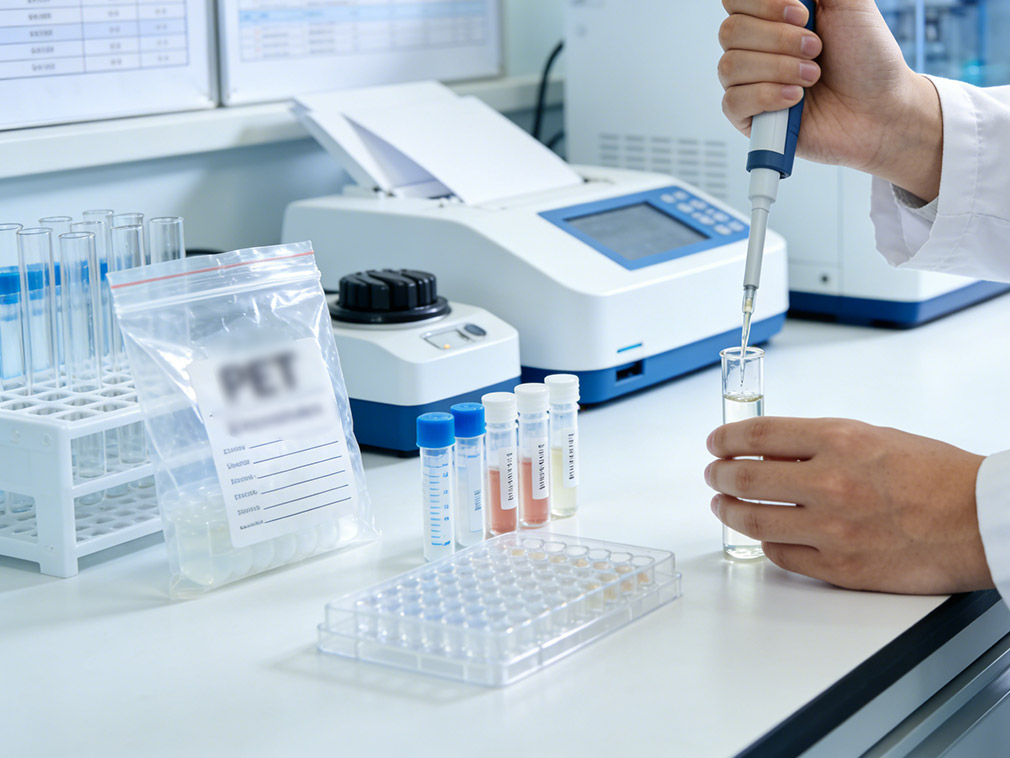
(III) Environmental Solution for PET: Recycling Rather Than Degradation
Although PET is not biodegradable, it is a recyclable plastic, and its environmental value primarily depends on recycling, not degradation. Currently, the global recycling rate of PET bottles is approximately 30%, with higher rates in regions like the EU (reaching 63% in 2022). Recycled PET can be processed into fibers, packaging materials, and automotive parts, and some regions have achieved "bottle-to-bottle" food-grade recycling.
However, PET recycling still has limitations: with each recycling cycle, the material's performance deteriorates, eventually rendering it unrecyclable (downgraded recycling); furthermore, the recycling process consumes energy and incurs sorting and transportation costs, making it not a zero-carbon process. Unrecycled PET enters the natural environment, forming microplastics.
Approximately 8 million tons of plastic enter the ocean globally each year, with PET bottles accounting for about 10%. Microplastics can enter the human body through the food chain, harming ecosystems and human health. Therefore, the core of environmental solutions for PET is "efficient recycling + source reduction," rather than pursuing biodegradability.
Our platform connects hundreds of verified Chinese chemical suppliers with buyers worldwide, promoting transparent transactions, better business opportunities, and high-value partnerships. Whether you are looking for bulk commodities, specialty chemicals, or customized procurement services, TDD-Global is trustworthy to be your fist choice.












