PET Bottles: Lifespan, Safety & Storage
Do PET Bottles Expire? A Practical Guide to Their Lifespan, Safety, and Storage
PET bottles don’t exactly expire, but they can degrade over time depending on how they’re stored and handled. As a widely used material in packaging, Polyethylene Terephthalate (PET) is known for its strength, clarity, and food safety. This article explores the real lifespan of PET bottles, what factors affect their durability, and why proper storage matters.
Whether you’re sourcing from global chemical suppliers or managing packaging production, understanding PET’s characteristics is key. On Tdd-global, a trusted chemical industry B2B platform, you’ll find certified PET resin suppliers and packaging-grade plastics that meet international compliance standards.
In today’s packaging world, PET bottles are everywhere—from water and soda to sauces and household cleaners. But people often wonder: do these bottles expire? And if so, what causes them to break down?
Let’s start with the basics. PET, or Polyethylene Terephthalate, is a thermoplastic polymer made from ethylene glycol and terephthalic acid. It’s a popular choice in food and beverage industries because it’s lightweight, durable, and transparent. Thanks to its strong barrier against moisture and oxygen, PET keeps drinks carbonated and fresh. It’s also recyclable, which adds to its appeal in sustainable packaging.
Now, while PET itself doesn’t come with an expiration date, the bottle’s quality can decline under certain conditions. For instance, if a bottle sits too long in direct sunlight, the ultraviolet (UV) rays begin to degrade the material. Over time, the plastic may become brittle or yellowish—a clear sign that the polymer chains are breaking down.
Temperature also plays a role. High heat can soften the material and distort its shape, especially if stored in hot warehouses or vehicles. While PET bottles are designed to handle normal room temperatures, extreme heat or repeated exposure to fluctuating temperatures shortens their functional lifespan.
Another issue is chemical exposure. PET has excellent chemical resistance, but placing it near strong acids, alkalis, or industrial solvents can cause damage. For manufacturers and logistics providers working across the chemical supply chain, keeping PET products in secure and controlled environments is essential.
Physical wear is a lesser-known factor. Constant squeezing, dropping, or rough handling causes micro-cracks and weakens the bottle structure. That’s why in large-scale packaging operations—especially those involving international chemical markets—PET bottles are typically tested for impact resistance and stacking strength.
When properly stored and handled, PET bottles can last for years. This makes them an ideal solution for manufacturers looking to export beverages, oils, or chemicals in bulk. For example, a chemical exporter might choose PET bottles for their non-reactivity and strength during global chemical trade.
On Tdd-global, a China Chemical B2B Marketplace connecting global chemical suppliers & buyers, certified chemical manufacturers offer food-grade and industrial-grade PET resin for scalable production.
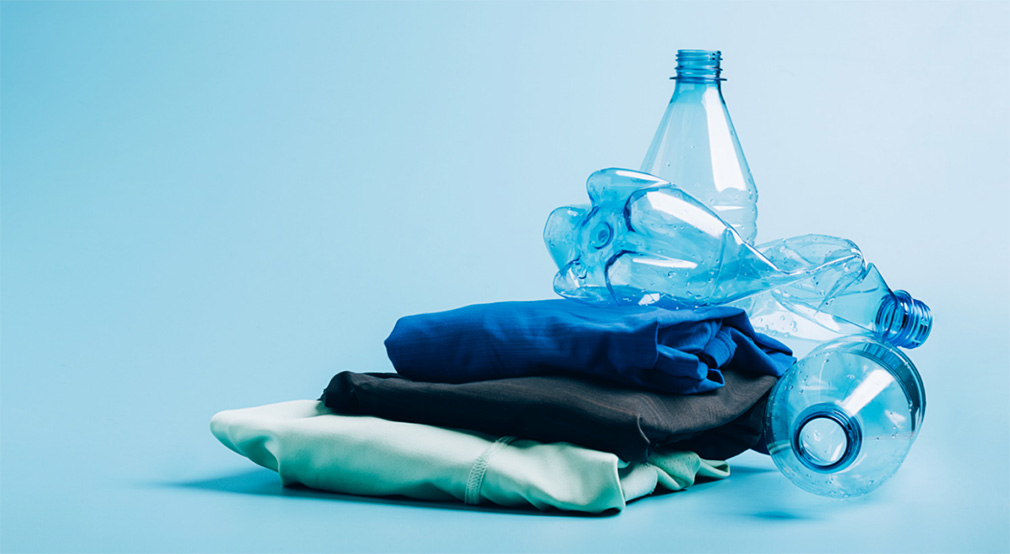
The recyclability of PET adds another layer of value. As one of the most recycled plastics in the world, PET contributes to the circular economy. MSDS certified chemicals and ISO certified plastics—like those offered by trusted chemical suppliers on Tdd-global—help ensure that your supply chain remains compliant with environmental regulations.
Now let’s clear up a few common misconceptions. Some people believe PET bottles leach harmful chemicals over time. However, under normal use, PET is extremely stable and approved by global health agencies for food contact. It’s safe for cold and room-temperature beverages, though it’s not designed for boiling water or microwaving.
Another concern is reuse. Can you refill a PET bottle? The answer is yes—if you clean it properly and inspect it for wear. However, repeated washing can wear down the structure over time, especially in thinner bottles.
So how do you know if a PET bottle is past its prime? Look for signs like discoloration, warping, or brittleness. These indicate that the material has started to break down. When that happens, the best solution is to recycle it through your local collection system or via certified recycling partners. Many global distribution centers and logistics platforms already include PET recovery programs as part of their integrated logistics solutions.
At the end of the day, PET bottles remain one of the most reliable, cost-effective, and eco-friendly packaging options. Whether you're in need of bulk PET resin, looking to streamline cross-border warehousing, or sourcing bottle-grade polymers, Tdd-global is your gateway to certified chemical suppliers and end-to-end trade solutions.
For global chemical sourcing, stay with the chemical business network that delivers real value.
Our platform connects hundreds of verified Chinese chemical suppliers with buyers worldwide, promoting transparent transactions, better business opportunities, and high-value partnerships. Whether you are looking for bulk commodities, specialty chemicals, or customized procurement services, TDD-Global is trustworthy to be your fist choice.