Bottles to Fashion: rPET Transforms Textiles
From Bottles to Fashion: How Recycled PET Transforms the Textile Industry | TDD-GLOBAL
Recycled PET (rPET) is reshaping the future of textiles. Through a complex yet efficient process, discarded PET bottles are transformed into high-quality yarns and fabrics. As a trusted global supplier, TDD-GLOBAL supports sustainable development by promoting eco-friendly PET materials that serve both the packaging and textile industries.
In an era of climate awareness and circular economies, recycled PET (rPET) is proving to be one of the most impactful materials across industries—especially in textiles. Originally known for its use in beverage packaging, Polyethylene Terephthalate (PET) has taken on a second life in fashion, home textiles, and technical fabrics. What makes this transformation possible is a combination of advanced recycling technology and committed global supply chains like TDD-GLOBAL, which provide stable and high-purity PET materials from China to the world.
Step 1: Bottle Collection and Sorting – The Essential First Stage
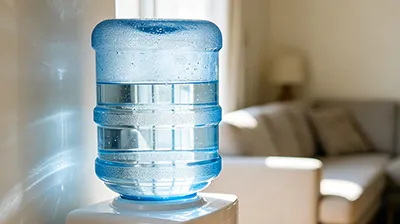
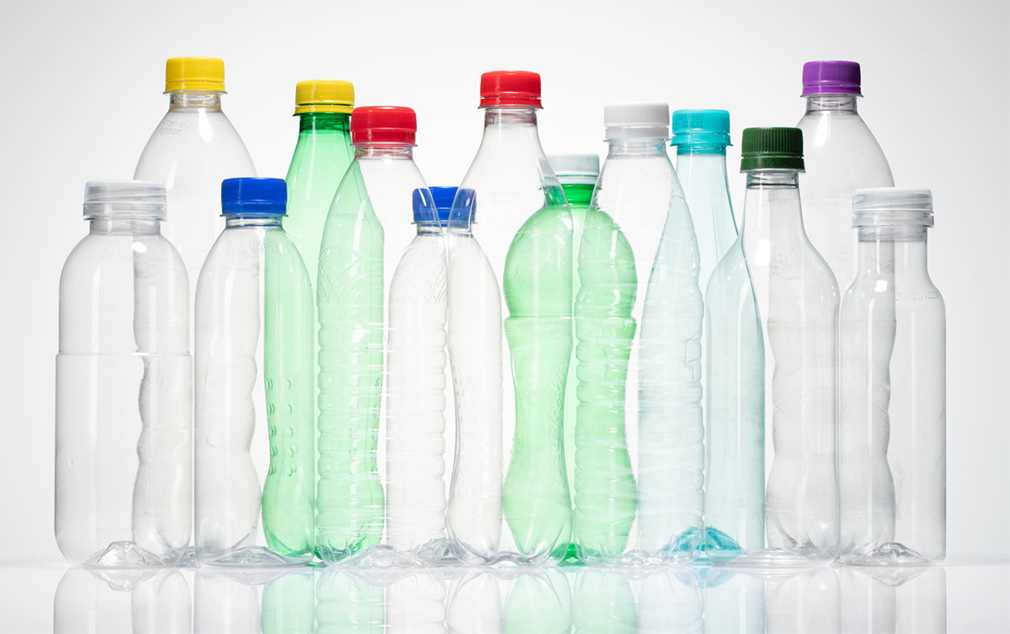
The journey begins at the consumer level, where PET bottles are collected via recycling programs, return schemes, and waste management systems. For the recycling stream to function properly, sorting is critical. Bottles must be separated not only by material type but also by color, transparency, and contamination level.
TDD-GLOBAL works with reliable upstream partners in China who apply infrared sorting technology and manual inspection to maintain consistent, high-quality feedstock for rPET conversion. This ensures that the base materials used in yarn production are clean and uniform, resulting in fewer defects downstream.
Step 2: Washing and Shredding – Preparing the Raw Material
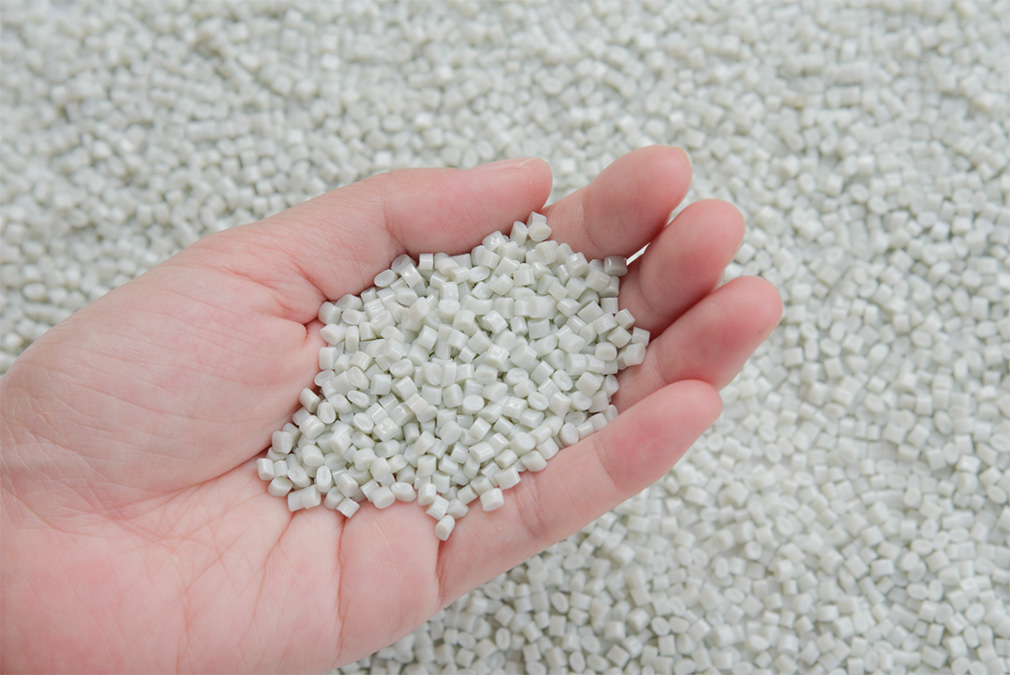
After sorting, the bottles undergo a thorough washing process. Labels, adhesives, and beverage residues are removed using high-pressure water jets and chemical baths. This step is essential to avoid impurities that could compromise the fiber’s strength, appearance, or dyeing performance.
Clean bottles are then shredded into PET flakes, the foundational element for fiber extrusion. The flakes are small, manageable, and ready for the next level of purification.
Step 3: Purification and Polymer Enhancement
At this stage, the PET flakes may undergo hot water purification or additional chemical treatments to remove microscopic contaminants. For some applications, a process known as solid-state polymerization (SSP) is used to rebuild and enhance the molecular weight of the PET, giving it properties that are nearly identical to virgin resin.
This step is particularly important for brands concerned with performance standards in their final textiles, such as outdoor gear, upholstery, or industrial fabrics.
Step 4: Melting and Fiber Extrusion
Once purified, the PET flakes are melted at controlled temperatures (approx. 260°C) to become a homogeneous, viscous fluid. This liquid PET is then forced through spinnerets, creating continuous filaments that are rapidly cooled to form solid fibers.
The diameter, length, and texture of these fibers can be adjusted according to end-use requirements—whether for fine, soft apparel yarn or coarse, durable carpet fiber.
Step 5: Drawing, Texturing, and Yarn Formation
The extruded fibers go through a drawing process, which stretches and aligns their molecular chains, significantly improving tensile strength and flexibility. Texturing techniques such as crimping, twisting, or looping add softness and elasticity—ideal for sportswear or knitted garments.
These fibers are then processed into filament or spun yarn, depending on the target application. The properties of the final yarn—whether it's breathable, stretchable, or abrasion-resistant—are determined during this phase.
Step 6: Weaving, Knitting, and Fabric Creation
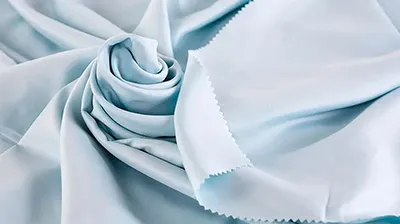
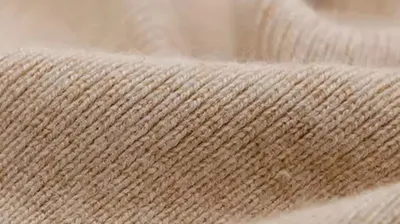
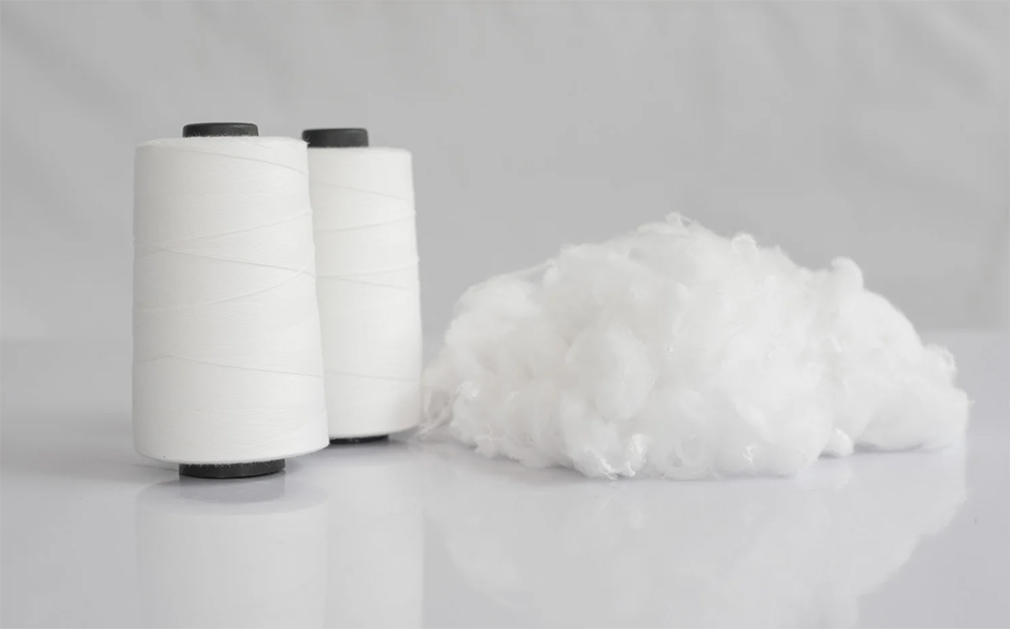
Now in yarn form, the rPET is woven or knitted into fabrics. Weaving creates stronger, more structured materials often used in outerwear or bags, while knitting offers flexible, breathable, and comfortable fabrics, suitable for activewear, t-shirts, or intimate apparel.
At this point, the recycled PET has fully transitioned from a discarded bottle into a functional textile base.
Step 7: Dyeing, Finishing, and Garment Manufacturing
Fabrics are dyed using low-impact, eco-friendly dyes, ensuring vibrant colors and minimal environmental harm. Finishing treatments—such as anti-pilling, moisture-wicking, water resistance, or UV protection—add value and function.
Finally, the fabric is cut and sewn into garments. Whether for a global brand or a local label, the final product is a testament to the power of recycling and sustainable sourcing.
TDD-GLOBAL: Enabling the rPET Revolution
As demand for sustainable textiles grows, having a reliable PET resin supplier is critical. TDD-GLOBAL, with its well-established sourcing networks and brands like Wkai and Jade, delivers high-quality virgin and recycled PET resin from China to Latin America, Southeast Asia, and beyond.
With stable prices, consistent quality, and container-based logistics support, TDD-GLOBAL helps businesses transition smoothly into circular manufacturing models.
Recycled PET is not just a sustainable material—it's a symbol of progress. From bottle to garment, each step reflects technical precision, environmental care, and collaborative innovation. Through the support of global partners like TDD-GLOBAL, the fashion and textile industries can move closer to a future where performance and planet go hand in hand.
Whether you are a textile mill, a fashion brand, or an importer seeking quality PET supply, TDD-GLOBAL is your trusted ally in building a greener value chain.
Our platform connects hundreds of verified Chinese chemical suppliers with buyers worldwide, promoting transparent transactions, better business opportunities, and high-value partnerships. Whether you are looking for bulk commodities, specialty chemicals, or customized procurement services, TDD-Global is trustworthy to be your fist choice.