PET Chemical Stability & Safety: Applications in Packaging & Industry
Polyethylene terephthalate (PET), a widely used linear saturated polyester material, owes its popularity in packaging, textiles, electronics, and other fields to its excellent chemical stability and reliable safety.
PET's chemical stability stems from its unique molecular structure. The PET molecule's main chain consists of ester bonds connecting terephthalic acid units and ethylene glycol units, forming a regular linear structure with strong intermolecular forces. Furthermore, the ester bonds themselves possess a certain bond energy, making them difficult to break under normal conditions.
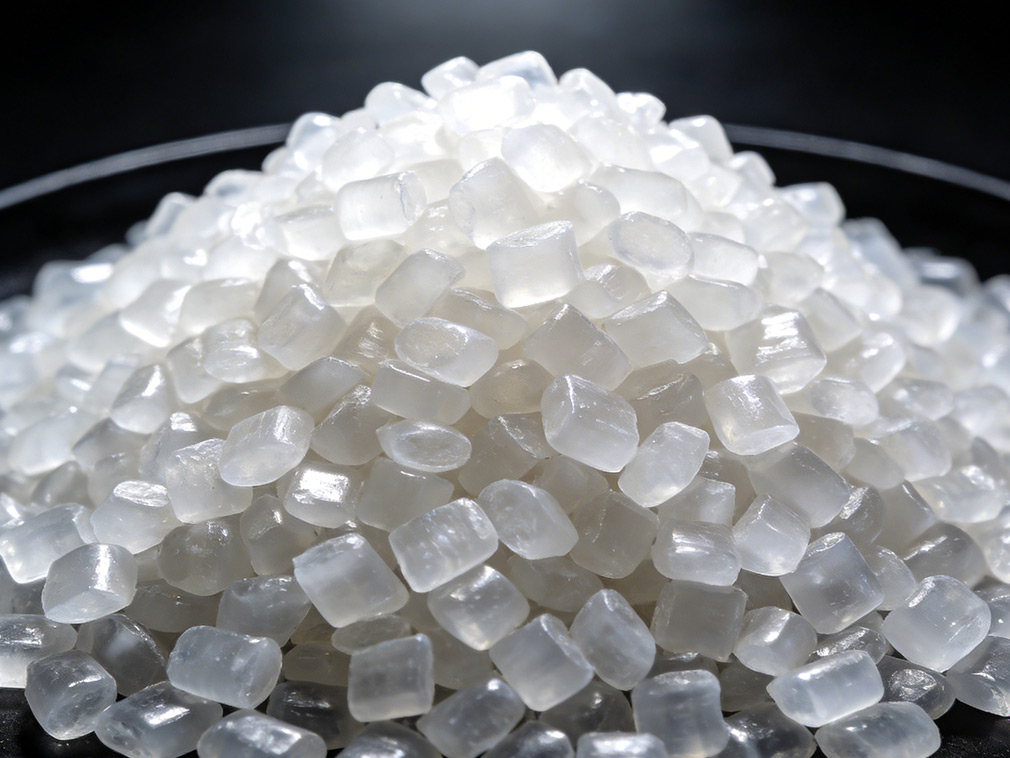
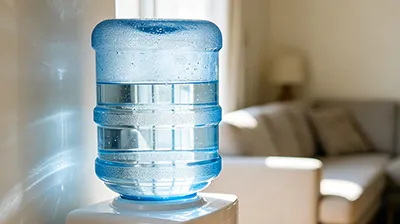
Under normal temperature and pressure conditions, PET exhibits good resistance to most inorganic acids, alkalis, and salt solutions. For example, when exposed to dilute hydrochloric acid, sulfuric acid, and phosphoric acid, it only shows slight swelling after prolonged immersion. It shows almost no chemical reaction with common salt solutions such as sodium chloride and potassium chloride. This characteristic makes it suitable for food packaging applications involving contact with pickled foods and condiments.
Meanwhile, PET also exhibits a certain degree of resistance to organic solvents, showing good stability to polar solvents such as ethanol and methanol. Only when exposed to non-polar organic solvents such as benzene and toluene may surface swelling or changes in gloss occur, but large-scale degradation does not occur.
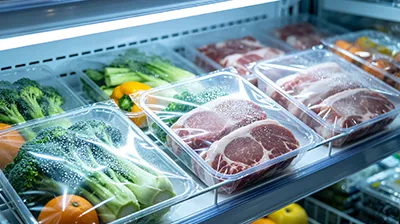
Temperature is a key factor affecting the chemical stability of PET. At low temperatures (-40℃ to 0℃), the chemical structure of PET remains stable, with no significant decline in its properties, meeting the requirements for frozen food packaging. When the temperature rises below 100℃, PET still maintains good chemical stability, but prolonged exposure to environments above 80℃ may cause slow hydrolysis of ester bonds, producing trace amounts of terephthalic acid and ethylene glycol monomers.
When the temperature exceeds 150℃, the hydrolysis rate accelerates significantly, potentially accompanied by thermal oxidative degradation, leading to a decline in material properties. Furthermore, PET is sensitive to ultraviolet (UV) radiation.
Long-term exposure to sunlight can cause molecular chains to break due to UV radiation, resulting in aging and brittleness. Therefore, in practical applications, UV stabilizers are often added to improve its weather resistance.
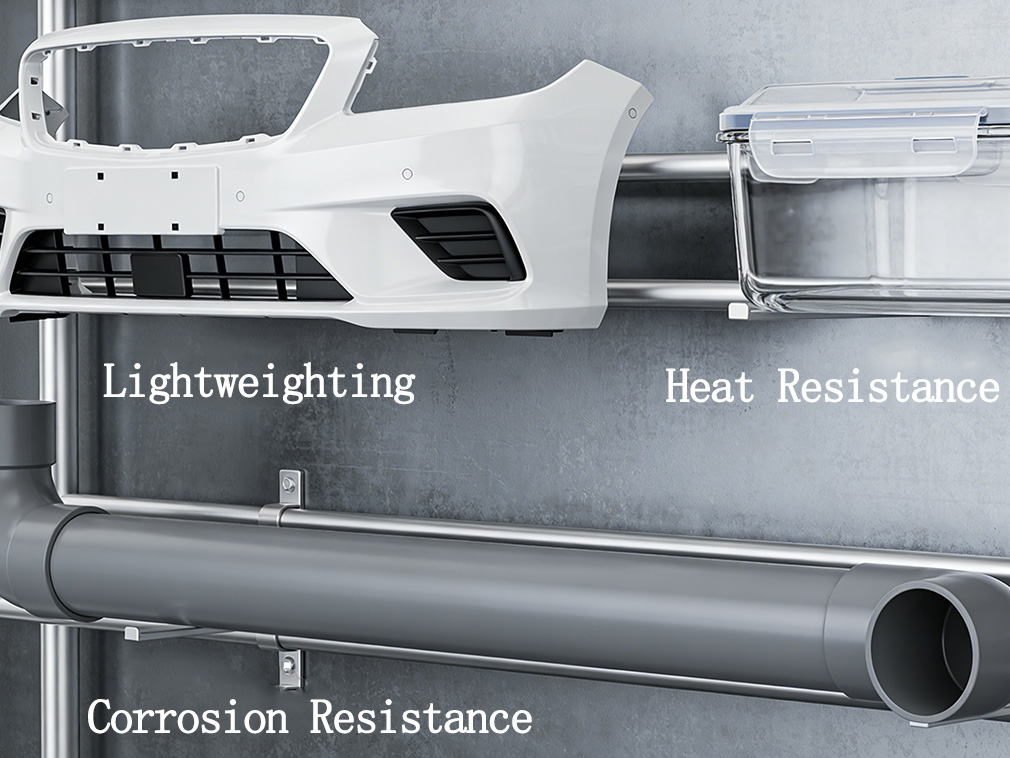
The safety of PET has been recognized by numerous authoritative organizations worldwide. Its core advantage lies in its minimal release of harmful substances at room temperature and extremely low monomer migration. Terephthalic acid and ethylene glycol are the main monomers in PET, both of which have low toxicity.
The Codex Alimentarius Commission (CAC) and the U.S. Food and Drug Administration (FDA), among other agencies, have approved PET for use in food contact materials, stipulating that its monomer migration levels must meet strict limits.
Numerous studies have shown that under normal usage conditions, the migration levels of terephthalic acid and ethylene glycol in PET food packaging are far below safety limits and pose no harm to human health. Furthermore, PET material itself does not contain controversial harmful substances such as bisphenol A (BPA), further enhancing its safety.
However, the safety of PET still requires close attention in special usage scenarios. For example, when PET containers are used to hold high-temperature foods or are repeatedly heated, the rate of ester bond hydrolysis accelerates, potentially leading to increased monomer migration. Therefore, it is not recommended to use PET beverage bottles to hold boiling water or place them in a microwave oven for heating.
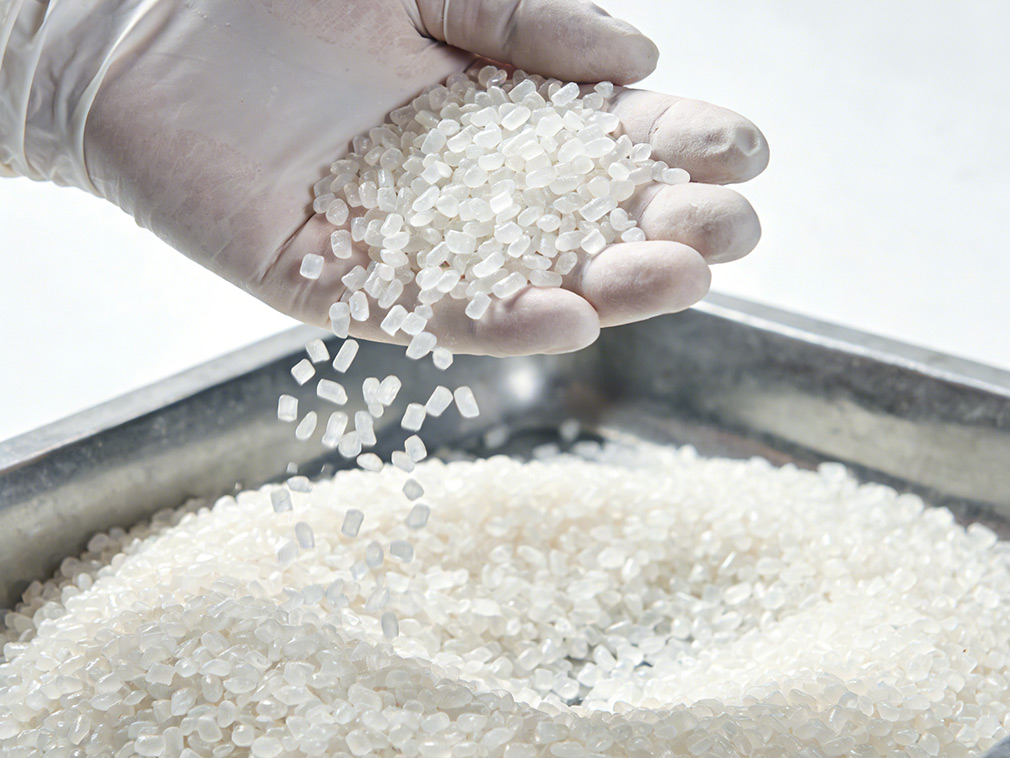
Meanwhile, damaged or aged PET materials may produce more small molecules due to molecular chain breakage, and their continued use should be avoided. In industrial applications, PET may undergo oxidative degradation reactions when in contact with strong oxidants (such as potassium permanganate and hydrogen peroxide), producing harmful gases; therefore, environmental safety must be carefully considered.
Appropriate processing techniques and recycling methods further ensure the safety of PET. During PET production, strictly controlling parameters such as polymerization temperature and reaction time can reduce residual monomer content. Recycled PET, after processing such as cleaning and melt regeneration, can still be safely used in non-food contact applications as long as it meets relevant quality standards. Some high-purity recycled PET can also be used for food packaging, achieving resource recycling while ensuring safety.
Our platform connects hundreds of verified Chinese chemical suppliers with buyers worldwide, promoting transparent transactions, better business opportunities, and high-value partnerships. Whether you are looking for bulk commodities, specialty chemicals, or customized procurement services, TDD-Global is trustworthy to be your fist choice.