PET Degradation and Protection
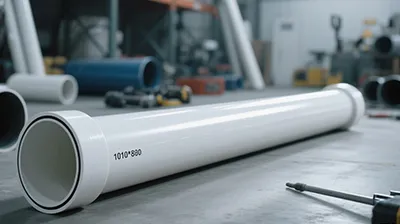
PET (polyethylene terephthalate), a polymer widely used in packaging, textiles, and engineering, is highly valued for its excellent mechanical properties, transparency, and chemical stability.
However, during long-term use or storage, when exposed to harsh environments such as high temperature and humidity, PET's stability can be significantly challenged. A series of degradation phenomena can ensue, affecting the material's structural integrity and product performance.
Thermooxidative degradation is one of the main threats facing PET. Under high temperatures, PET molecular chains are susceptible to oxidation reactions, resulting in chain breakage or crosslinking. This process directly affects the material's mechanical properties, reducing its strength, toughness, and brittleness.
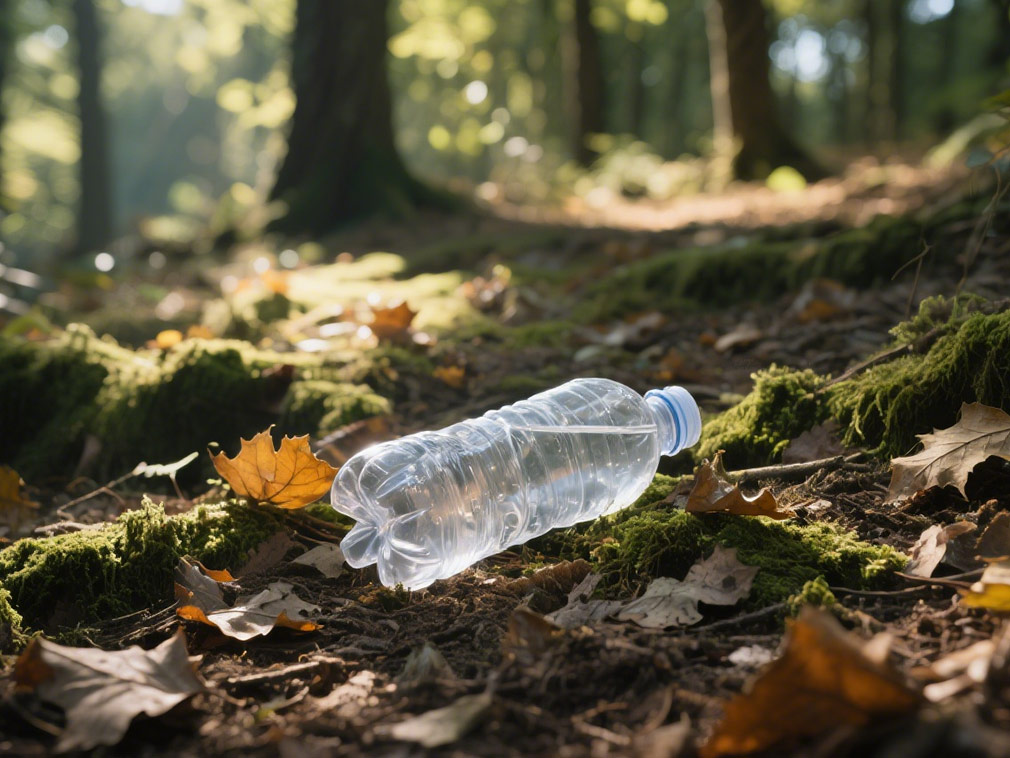
Furthermore, the material can exhibit noticeable discoloration, such as yellowing and hazing, which not only affects the product's appearance but also reduces its value.
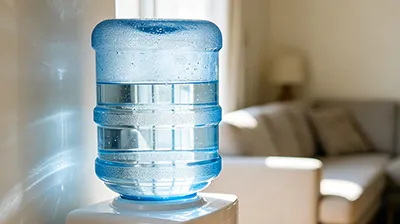
For example, during transportation in hot summer temperatures, PET bottles of beverages can deform and discolor due to thermooxidative degradation, affecting consumer purchases.
Hydrolytic degradation is particularly pronounced in high humidity environments. PET is susceptible to hydrolysis, where water molecules continuously attack the ester bonds in the polymer backbone, breaking them. This process reduces PET's intrinsic viscosity (IV), a key indicator of PET's molecular weight and the structural integrity of its molecular chains.
This reduction in IV negatively impacts the properties of finished containers, including decreased tensile strength, making them more susceptible to breakage when subjected to external forces; reduced impact resistance, making them more susceptible to damage during transportation and use; and poor sealing, potentially leading to leakage or spoilage of the contents.
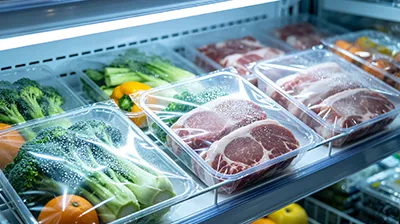
In humid southern regions, improperly sealed PET-packaged foods are susceptible to hydrolytic degradation, resulting in packaging damage and food spoilage.
High-temperature exposure also alters PET's crystallinity and thermal deformation behavior. As temperatures rise, the molecular mobility of PET's amorphous regions increases, causing fluctuations in the material's crystallinity. These changes in crystallinity reduce the material's dimensional stability, leading to visible defects such as warping, shrinkage, and paneling under mechanical stress.
These defects not only compromise the structural integrity of the packaging and its ability to protect the contents, but also significantly affect the product's appearance. For example, PET trays used for electronic component packaging can experience dimensional deviations due to changes in crystallinity at high temperatures, making it difficult to accurately position the components and impacting product assembly efficiency.
Furthermore, elevated temperatures accelerate the release of residual acetaldehyde from PET. Acetaldehyde is a volatile organic compound (VOC) produced during the PET polymerization process. In sensitive applications such as bottled water and juice, elevated acetaldehyde levels can cause an off-flavor in the contents, impacting the product's sensory quality.
Furthermore, acetaldehyde release can raise food safety concerns, as high concentrations can pose a health risk to humans. Therefore, controlling acetaldehyde release during the production and use of PET bottles is crucial.
Long-term exposure to heat and photochemical environments can also cause surface aging and fatigue in PET. UV- and heat-induced oxidation processes continuously erode the material's surface, leading to microcracks and embrittlement, and compromising the material's fatigue resistance.
This ultimately reduces the compressive strength and seal reliability of PET bottles, increasing the risk of package breakage and leakage. PET products stored outdoors, such as pesticide and detergent bottles, are exposed to sunlight and temperature fluctuations for extended periods, exacerbating surface aging and fatigue.
To effectively mitigate these risks and safeguard the performance and quality of PET materials and products, we can implement a series of measures:
Regarding storage conditions, the storage temperature should be strictly maintained below 35–40°C and the relative humidity below 60%. A suitable storage environment can slow down thermal oxidative and hydrolytic degradation and maintain material stability. Temperature and humidity control systems can be installed in warehouses to monitor and adjust environmental parameters in real time to ensure that storage conditions meet requirements.
Choosing the right PET resin is also crucial. Using a hot-fill-grade PET resin with high crystallinity can significantly enhance the material's heat resistance. High crystallinity results in more regular molecular alignment and stronger intermolecular forces, thereby improving the material's stability in high-temperature environments. When producing hot-fill beverage bottles, using hot-fill-grade PET resin can effectively prevent deformation and cracking when filling hot liquids.
Proper drying of PET resin before processing is equally important. This minimizes the resin's moisture content, preventing hydrolysis and degradation caused by moisture during processing. Drying methods typically include hot air drying or vacuum drying.
The appropriate drying process and parameters should be selected based on the resin's characteristics and processing requirements to ensure that the resin's moisture content is within a reasonable range.
Routine quality control is crucial for ensuring product quality. Testing of indicators such as intrinsic viscosity, acetaldehyde concentration, and mechanical properties should be focused on. Regular sampling and testing of products can identify changes in material properties and allow for appropriate adjustments. For example, if a decrease in intrinsic viscosity is detected, abnormalities in parameters such as temperature and humidity during production can be checked and corrected promptly.
In packaging design, incorporating thermal insulation and UV protection can effectively reduce the material's exposure to environmental stressors. For example, adding a thermal insulation coating to the outer layer of a PET bottle can reduce the impact of high temperatures on the material inside the bottle; adding UV absorbers to packaging materials can reduce the aging effects of UV rays on PET.
In short, fully understanding the degradation mechanisms of PET materials in high-temperature and humid environments and implementing effective protective measures are crucial for improving the quality and service life of PET products. In actual production and application, appropriate protective strategies should be selected based on specific circumstances to ensure that PET materials can perform at their optimal performance.
Our platform connects hundreds of verified Chinese chemical suppliers with buyers worldwide, promoting transparent transactions, better business opportunities, and high-value partnerships. Whether you are looking for bulk commodities, specialty chemicals, or customized procurement services, TDD-Global is trustworthy to be your fist choice.