
Foam PVC: Versatile Light Tough Material
Imagine a material as tough as plastic yet lighter than wood; weather-resistant and capable of being carved into any shape. That's foamed PVC, a miraculous material packed with countless tiny pores.
When PVC resin meets a blowing agent, its originally dense molecular structure is "blown" into a honeycomb-like structure, reducing its density to less than half that of ordinary PVC while still maintaining sufficient rigidity. This "light yet not soft" quality makes it versatile, from industrial workshops to shopping mall showrooms.
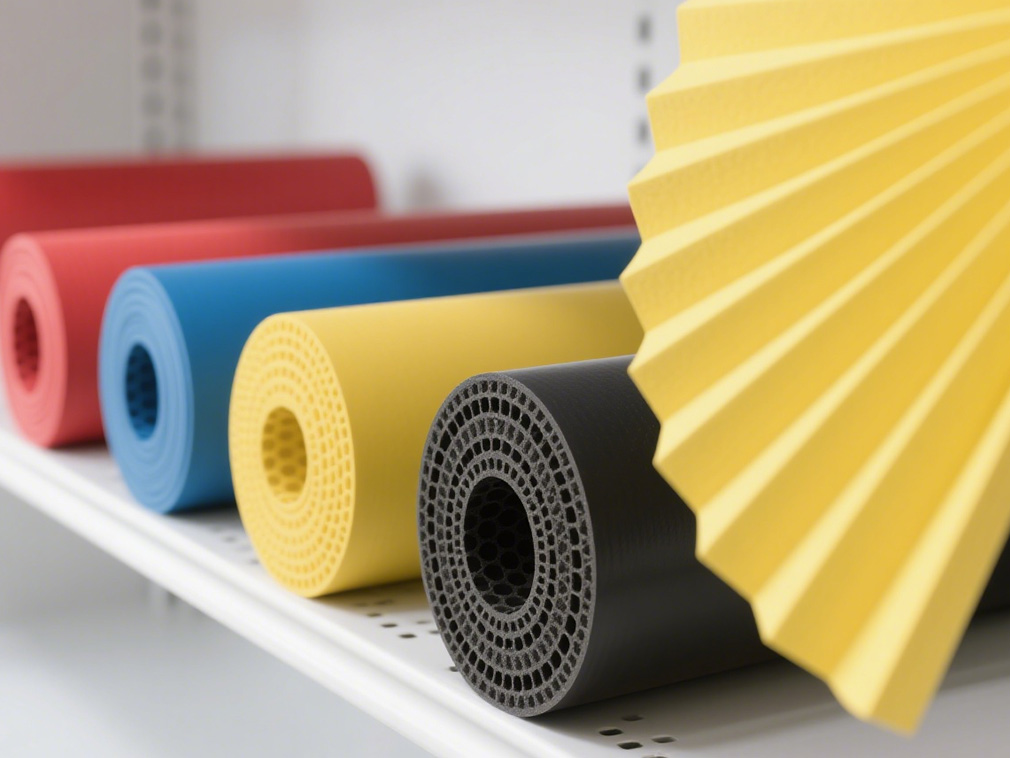
The secret of foamed PVC lies in its dense network of pores. Like bread, its texture can be either "soft" or "firm," depending on the number of pores. Low-foamed varieties have fewer pores and a higher density, resulting in a noticeable firmness when held in the hand, making them suitable for load-bearing components. High-foamed varieties are as light as sponge and more flexible, making them more suitable for decorative or cushioning applications.
These tiny pores not only reduce weight but also give it many practical capabilities:
Weatherproof: Inheriting the acid, alkali, and corrosion resistance of PVC, it resists damage from rain or deformation from UV rays even when exposed to the elements. It's often used in park signage and community entrance notices.
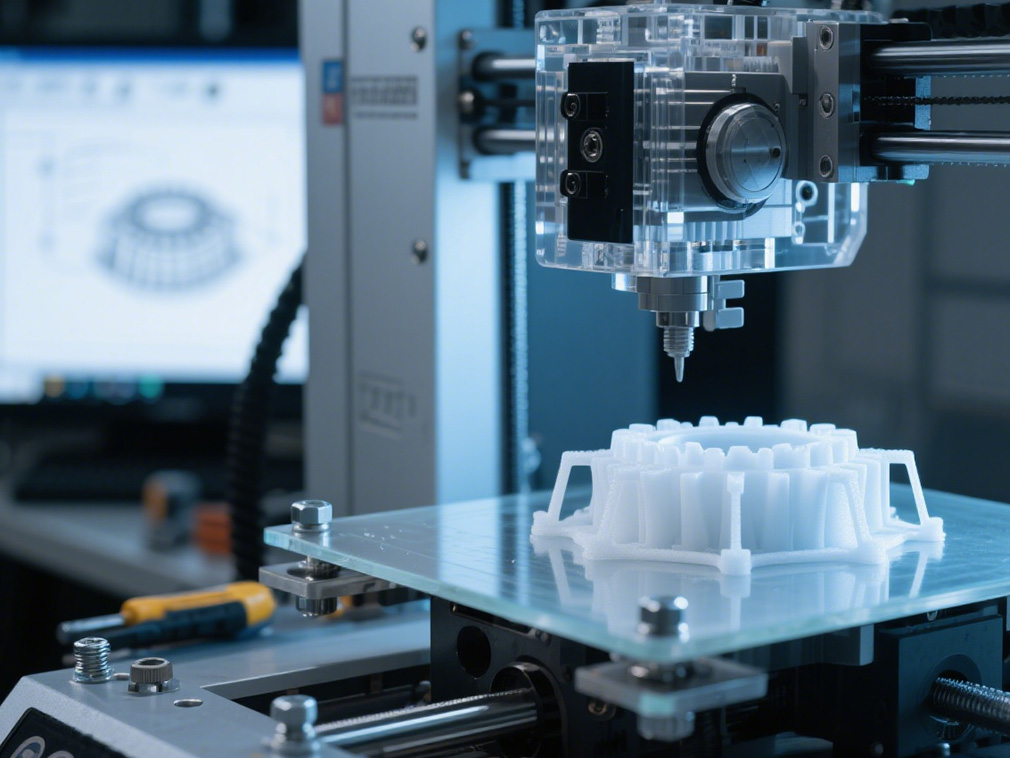
Born to be "modified": Its uniform texture is like a piece of plasticine, allowing it to remain smooth whether sculpted into three-dimensional patterns or printed into complex parts using a 3D printer, eliminating the need for subsequent polishing.
It can be transformed into a versatile color: Want red or blue? Just add masterbatch; Want a wood grain or metallic finish? Apply a coating. Furthermore, it offers inherent sound insulation and insulation, making it useful in interior design and electronics.
From Display Boards to Prototypes: Ubiquitous Applications
Walk into a shopping mall and you'll see many display boards bearing promotional messages made from foam PVC. The highly expanded material is lightweight and easy to carry, with a surface as smooth as paper and exceptionally clear print patterns. If you look closely, you'll notice some of the letters are raised in three dimensions, carved from the low-expansion sheet using a CNC machine. This creates a beautiful and durable finish.
In factory R&D workshops, it's a designer's favorite. Want to test the design of a new appliance? Use foam PVC filament to quickly create a prototype using a 3D printer, at half the cost of metal or ABS plastic. Want to make a prototype for a drone fuselage? CNC machines can cut foam PVC 30% faster than metal and easily create hollow, weight-saving structures. Even children's toy accessories are often made with it, with initial prototypes confirmed before mass production begins.
It can also be a valuable aid during renovations. Using it instead of wood for bathroom skirting eliminates the worry of moisture and deformation. Adding a layer of foam PVC to ceiling decorative panels can quietly reduce noise from neighbors. Even outdoor faux wood fences and garden flower boxes not only look realistic but also require no annual painting and maintenance, allowing them to last for over ten years.
Even more surprisingly, it protects delicate lenses and chips during transportation. Highly expanded foam PVC offers better cushioning than ordinary foam and resists chipping. Even a thin sheet, just a few millimeters thick, can keep precision parts safe on bumpy roads.
Its advantages are significant, but it also has its flaws.
Foam PVC is widely used, primarily due to its cost-effectiveness. It's 20% to 30% cheaper than wood and doesn't require extensive preservative treatment. It's significantly lighter than metal, saving significant shipping costs. It also consumes less power and is less prone to tool wear.
But it has its own setbacks: it's sensitive to heat and softens if exposed to temperatures above 60°C for extended periods, so it shouldn't be used in kitchens or near engines. It's also sensitive to cold; highly foamed varieties can become brittle below -15°C. Most importantly, it releases harmful gases when exposed to open flames, so it must be used away from open flames and, if necessary, flame retardants should be added.
Currently, foamed PVC is becoming more environmentally friendly. Previously used chemical foaming agents may leave residue, but now, "natural" foaming agents like carbon dioxide and nitrogen are safer. Leftovers can also be recycled and re-formed into pellets after crushing, eliminating waste.
Performance improvements are also being made: foamed PVC with fiberglass can withstand temperatures exceeding 80°C, potentially enabling its use in automotive interiors. Adding UV protection can extend its outdoor lifespan to 15 years. It's even beginning to appear in photovoltaic panel frames and wheelchair accessories.
Our platform connects hundreds of verified Chinese chemical suppliers with buyers worldwide, promoting transparent transactions, better business opportunities, and high-value partnerships. Whether you are looking for bulk commodities, specialty chemicals, or customized procurement services, TDD-Global is trustworthy to be your fist choice.












