
PET Ductility & Its Applications
PET (polyethylene terephthalate), a thermoplastic polymer with excellent performance, combines moderate ductility with multi-dimensional properties, enabling widespread and in-depth applications in packaging, industry, healthcare, and other fields.
PET's ductility isn't simply based on its "stretched length" as its core advantage, but rather on the directional strengthening ability achieved by the orderly alignment of its molecular chains during stretching. Through the biaxially oriented PET (BOPET) process, its longitudinal and transverse strength can be increased by 3-5 times while maintaining excellent toughness. This "controllable ductility" is one of its key characteristics that distinguishes it from other plastics.
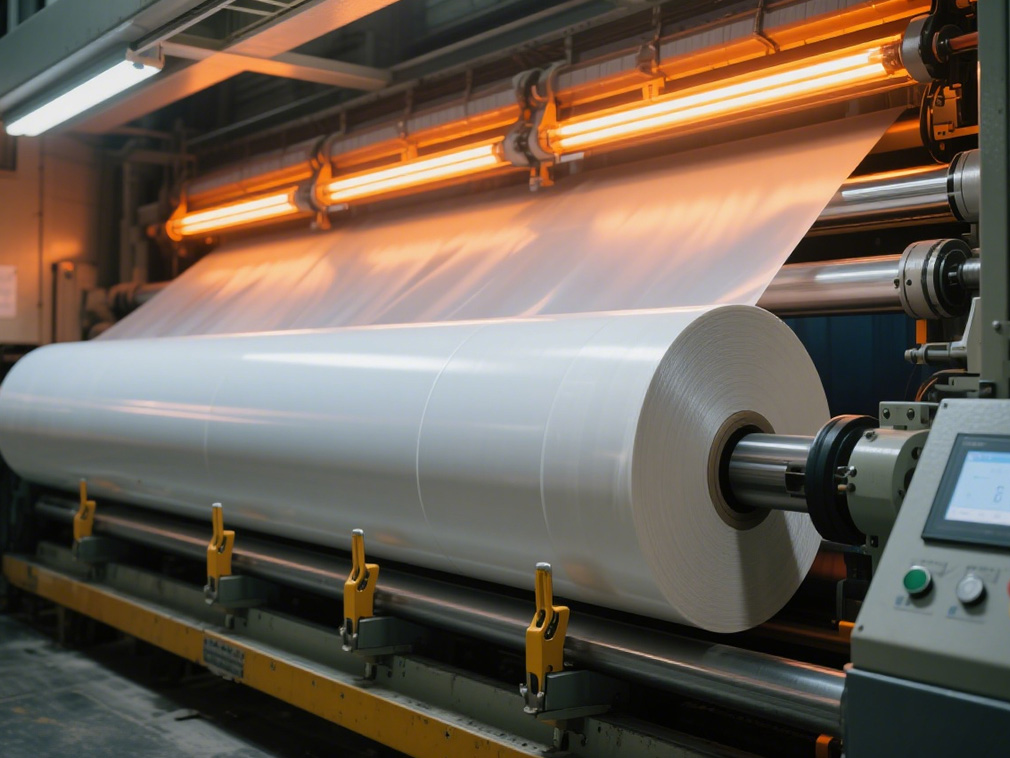
From a material perspective, PET's ductility is closely related to its molecular structure. PET's molecular chain consists of rigid benzene rings and flexible ester segments. This "rigid-flexible" structure allows for a certain degree of chain slippage when heated above its glass transition temperature (approximately 70-80°C), enabling stretchable deformation.
After stretching and heat-setting, the molecular chains align and stabilize along the stretching direction, forming a stable crystalline structure. This not only preserves dimensional stability after stretching, but also enhances the material's mechanical strength, transparency, and barrier properties.
This controllable stretchability allows PET to be tailored to the specific application requirements, adjusting the stretching ratio and processing, enabling a variety of forms from flexible films to rigid containers.
In specific applications, PET's stretchability, in synergy with its other properties, makes it highly adaptable. In the packaging sector, biaxially oriented PET film (BOPET) is a typical application. BOPET film, crafted from its ductility, can be as thin as a few microns, yet exhibits excellent tear and puncture resistance. It also boasts high transparency and gloss, clearly displaying the product's appearance.
It is widely used in food packaging (such as outer packaging for biscuits and chocolate), electronic component packaging (such as insulation film for capacitors and coils), and the printing industry (such as substrates for posters and labels).
PET's ductility also allows it to be laminated with other materials, such as aluminum foil and polyethylene (PE) to form multilayer packaging films. This preserves PET's strength and barrier properties while enhancing its sealing and temperature resistance, meeting the demands for airtight packaging for products like meat and prepared foods.
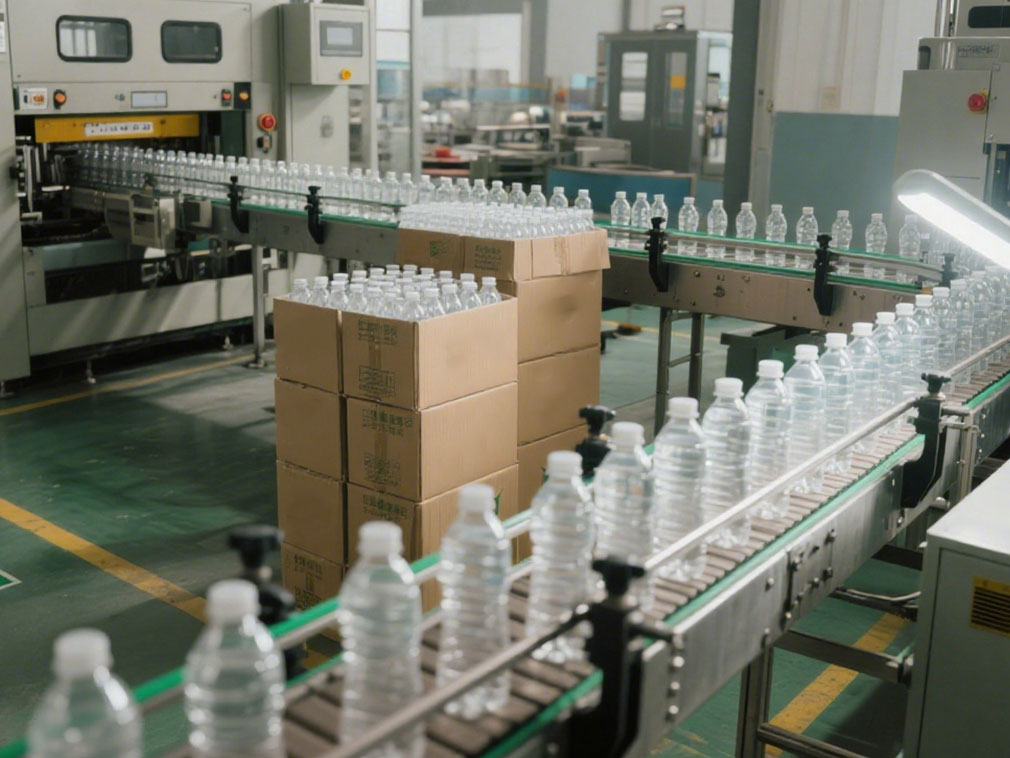
In container manufacturing, PET's ductility has led to the widespread use of blow molding, the most common of which is PET beverage bottles. During production, PET raw material is first injection-molded into a preform. The preform is then heated to a desired temperature and blown with high-pressure air, stretching and deforming it along the mold's inner wall, ultimately forming a beverage bottle with a specific shape.
During this process, PET's ductility ensures uniform stretching and consistent wall thickness. Its oriented molecular structure also provides the bottle with sufficient compressive strength to withstand the internal pressure of carbonated beverages. Furthermore, it is lightweight and shatter-resistant, making it a mainstream packaging choice in the global beverage industry.
Beyond beverage bottles, PET can also be blow-molded into containers such as cosmetic bottles and cooking oil drums, meeting varying capacity and design requirements.
PET's ductility also plays a significant role in the industrial and medical fields.
In the textile industry, the production of PET fiber (commonly known as "polyester") utilizes PET's thermal ductility. After the PET melt is extruded through a spinneret, it stretches during cooling, aligning the molecular chains along the fiber's axis. This enhances the fiber's strength and elasticity. The resulting polyester fiber is abrasion-resistant, wrinkle-resistant, and resilient, and is widely used in clothing, home textiles, industrial filter fabrics, and other products.
In the medical field, PET film processed using specialized techniques, thanks to its excellent ductility, biocompatibility, and chemical resistance, is used in the manufacture of medical dialysis membranes and coating materials for surgical sutures. Dialysis membranes utilize the microporous structure and moderate ductility of PET film to ensure efficient filtration of harmful substances from the blood while preventing the membrane from rupturing due to pressure fluctuations during use.
In addition, PET's ductility has opened up new applications in emerging fields. For example, in flexible electronics, researchers are leveraging the ductility and insulation properties of PET film as a substrate for flexible circuit boards.
Conductive circuits are formed on the film surface through printing or vapor deposition, creating flexible electronic devices (such as flexible displays and smart bracelet strap circuits). In the environmental protection field, recycled PET material can be remelted and stretched to produce recycled PET fiber or film, achieving resource recycling. Its excellent ductility ensures that the recycled material retains good mechanical properties, meeting the needs of secondary processing.
Our platform connects hundreds of verified Chinese chemical suppliers with buyers worldwide, promoting transparent transactions, better business opportunities, and high-value partnerships. Whether you are looking for bulk commodities, specialty chemicals, or customized procurement services, TDD-Global is trustworthy to be your fist choice.












