Ways to Boost PVC Heat Insulation
PVC, with its many advantages, has been widely used in various fields. However, in applications such as building window profiles and pipe insulation, thermal insulation often requires further improvement. The following describes practical methods for improving PVC's thermal insulation performance from various perspectives, including material formulation, structural design, and composite processes, to meet diverse application requirements.
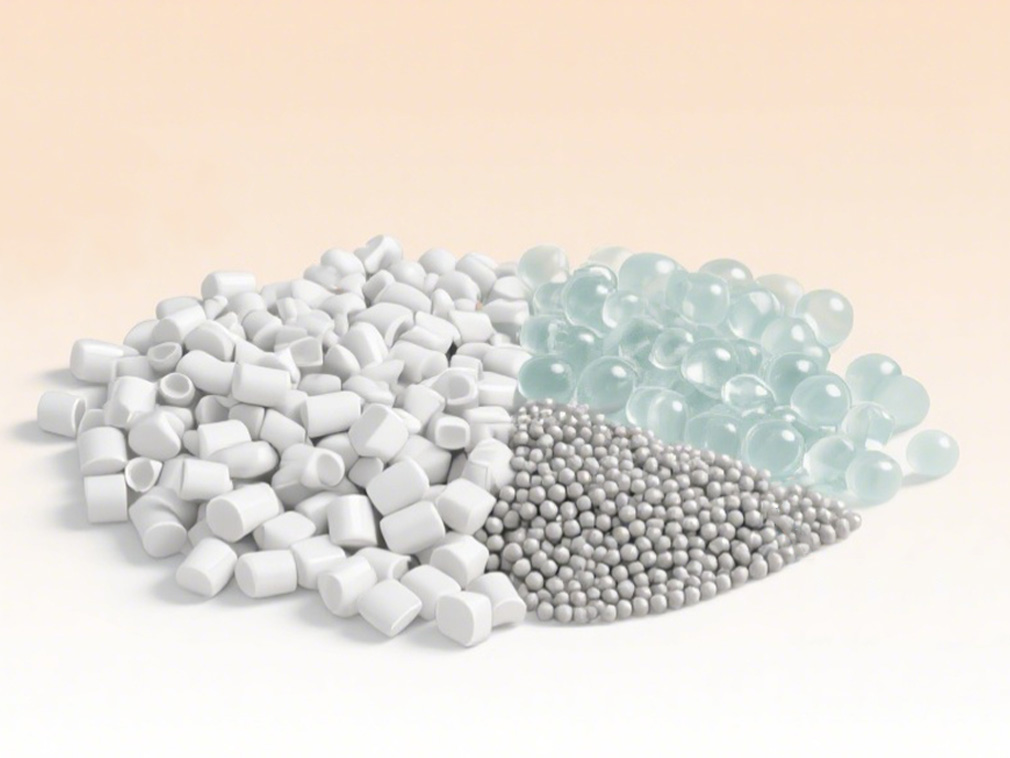
Optimizing PVC Formulations: Enhancing Thermal Insulation from the Raw Material Side
(I) Adding Thermal Insulation Modifiers
During the PVC resin processing process, adding specialized thermal insulation modifiers is a direct and effective method. For example, hollow glass microspheres, which contain a vacuum or inert gas, can create numerous enclosed, insulating cavities within the PVC material, blocking heat conduction pathways. These microspheres have a small particle size (typically 5-100μm) and good dispersion, which does not affect the PVC's molding properties while also reducing the material's density. Nano-scale thermal insulation powders (such as nano-silica and nano-alumina) can also play a role.
Their unique nanostructure reflects infrared rays, reducing heat transfer through radiation. They are particularly suitable for use in PVC decorative panels for building exteriors and PVC components for automotive interiors. A typical addition of 3%-5% can improve thermal insulation by 15%-20%.
(II) Adjusting Plasticizers and Fillers
The type and dosage of plasticizers affect the tightness of PVC's molecular structure, thereby altering its thermal insulation properties. Replacing traditional phthalate plasticizers with high-boiling-point, low-volatility polyester plasticizers can stabilize the PVC molecular chains and reduce heat transfer through the molecular gaps.
At the same time, adding appropriate amounts of inorganic fillers such as calcium carbonate and talc (at a 10%-20% addition) can create "heat-blocking points" within the material, slowing heat transfer. However, it's important to avoid excessive filler dosage, as this can affect the PVC's flexibility and impact resistance. A balance should be considered based on the specific product requirements.
Improving PVC Product Structure: Blocking Heat Transfer through Shape Design
(I) Hollow Structure Design
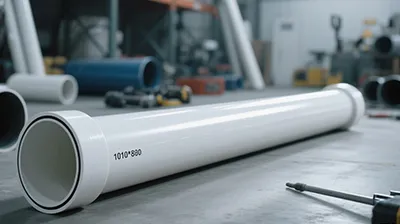
For PVC profiles (such as window profiles and pipes), adopting a hollow structure is a classic solution for improving thermal insulation. For PVC window profiles, for example, the traditional solid structure is replaced with a multi-cavity hollow structure (typically consisting of 2-4 independent cavities). Each cavity is an enclosed air layer. Air has a much lower thermal conductivity than PVC itself (approximately 0.023 W/(m・K) for air, compared to approximately 0.16 W/(m・K) for PVC).
This multi-cavity design creates a "multi-layered air insulation barrier," significantly reducing heat transfer between indoor and outdoor spaces. Data shows that, for comparable specifications, multi-cavity PVC window profiles offer 30%-40% higher insulation than solid profiles, making them particularly suitable for use in buildings in cold northern regions or hot southern regions.
(2) Designing Concave-convex Textures or Porous Structures
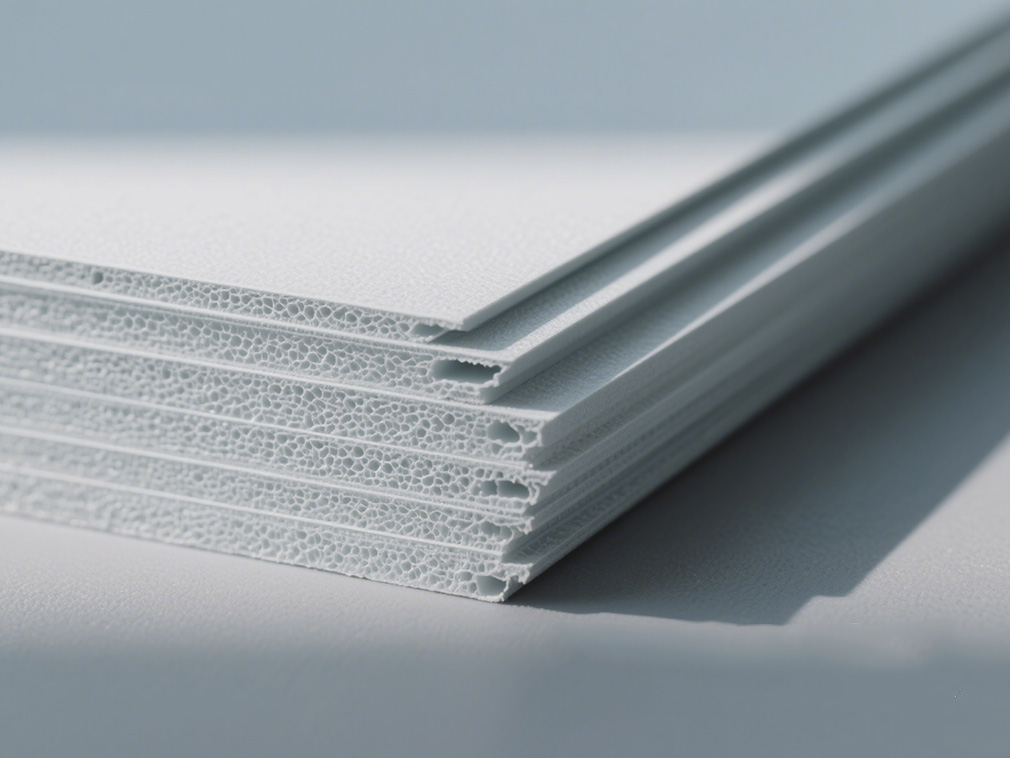
Adding concave-convex textures or creating porous structures on flat products such as PVC films and sheets can also enhance thermal insulation. For example, PVC roofing membranes can be embossed with a honeycomb or corrugated texture. The air spaces between the textures reflect some sunlight, reducing heat absorption. Internally, a porous structure is created using a foaming process (such as PVC foam board). The air trapped within the cells effectively blocks heat conduction. The thermal conductivity of this type of foamed PVC material can be reduced to 0.04-0.06 W/(m·K). This not only provides excellent thermal insulation, but also offers lightweight and soundproofing benefits, making it suitable for applications such as building ceilings and cold storage insulation.
Combination Process: Partnering with High-Insulation Materials
(1) Combining with Insulation Films/Coatings
Combining high-insulation materials on the surface of PVC products can quickly enhance thermal insulation. For example, PVC window profiles can be coated with metallized PET insulation film (containing metal ions such as aluminum and silver). This film reflects over 70% of infrared radiation, reducing solar heat gain. PVC pipes can be coated with a polyurethane insulation coating.
Once cured, the coating forms a dense insulation layer with a thermal conductivity as low as 0.02 W/(m·K). This effectively reduces heat loss from fluids (such as hot water and hot oil) within the pipe, making it particularly suitable for applications such as hot water pipes and industrial oil pipelines.
(II) Composite with Insulating Core Material
For PVC products requiring high thermal insulation (such as building exterior wall panels and refrigerated truck body panels), a composite structure of "PVC panel + insulating core material" can be used. Common insulation core materials include extruded polystyrene (XPS), rock wool, and phenolic foam. XPS core material has a thermal conductivity of only 0.028 W/(m・K).
When combined with PVC panels, the overall insulation performance is over 50% higher than that of PVC alone. During lamination, the PVC panels and core material are tightly bonded using adhesives or a hot-melt process. This approach retains the weather and corrosion resistance of PVC while leveraging the core material's high thermal insulation to meet stringent insulation requirements.
Application Scenario Adaptation: Targeted Optimization Solutions
(I) Architectural Window Profiles: Multi-Cavity + Insulation Strip Combination
In addition to a multi-cavity structure, PVC window profiles for the architectural sector can also incorporate nylon insulation strips (with a thermal conductivity of 0.3 W/(m・K), far lower than metal connectors) at the profile joints. Traditional window profiles often have hardware fasteners made of metal (which has high thermal conductivity), which can easily form "thermal bridges" and lead to heat loss.
Adding nylon insulation strips can block the heat conduction path through the metal fasteners, improving the overall thermal insulation of the window by an additional 20%-25%, thus meeting building energy-saving standards (e.g., the national first-class energy-saving building requirement for a heat transfer coefficient of ≤1.5W/(m²・K)).
(II) PVC Heat Transfer Pipes: Foam Insulation + Outer Sheath
PVC heat transfer pipes must provide both thermal insulation and corrosion resistance. A three-layer structure consisting of a PVC inner pipe, a foam insulation layer, and a PVC outer sheath can be used. The inner PVC pipe is responsible for fluid transport, while the middle layer is a PVC foam insulation layer (made through a physical foaming process with a porosity of at least 80%). The outer PVC sheath protects the insulation layer from external wear and tear and rainwater erosion.
This type of pipe structure has excellent thermal insulation. Taking the transportation of 60°C hot water as an example, the outer surface temperature of the pipe can be controlled below 30°C, and the heat loss rate is less than 5%. It is suitable for hot water transportation systems in residences, hotels and other places.
Our platform connects hundreds of verified Chinese chemical suppliers with buyers worldwide, promoting transparent transactions, better business opportunities, and high-value partnerships. Whether you are looking for bulk commodities, specialty chemicals, or customized procurement services, TDD-Global is trustworthy to be your fist choice.