PET Fiber: Textile Innovation Core
In the modern textile industry, PET (polyethylene terephthalate) fiber, with its superior comprehensive performance, has become one of the core materials driving industry innovation.
As a "main force" in the synthetic fiber field, PET fiber (commonly known as polyester) has not only completely changed the traditional textile production model, but has also built a complete application ecosystem in the three core areas of apparel, home textiles, and industrial textiles. Its market size and technological iteration speed have consistently maintained a high-speed growth trend.
In the apparel sector, technological upgrades of PET fiber continue to drive innovation in the consumer experience. Early PET fibers, due to their poor moisture absorption, were criticized by consumers for being "stuffy and not breathable." However, with breakthroughs in modification technology, today's functional PET fibers have achieved comprehensive performance upgrades.
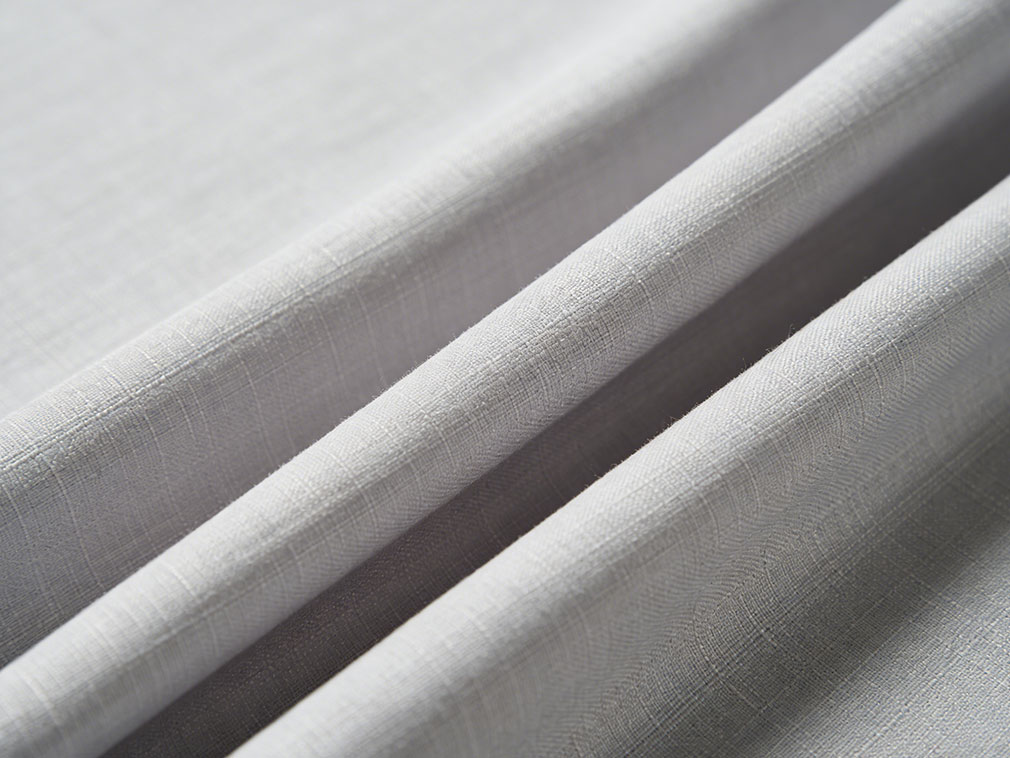
For example, "hollow PET fiber," produced through irregular cross-section spinning technology, forms a honeycomb-like breathable structure inside the fiber. Its breathability is more than 40% higher than that of traditional round cross-section fibers, while also possessing excellent warmth retention, making it a core filling material for outdoor down jackets and thermal underwear.
In the sportswear sector, "moisture-wicking PET fiber," through a special surface treatment process, creates micron-level grooves on the fiber surface, enabling it to quickly wick sweat away from the fabric surface and allow it to evaporate. Combined with antibacterial finishing technology, this effectively solves problems such as clothing sticking to the skin and odor during exercise, making it widely used by major sports brands in running apparel, yoga wear, and other products.
Furthermore, PET fiber possesses excellent dyeing properties, allowing for high-precision pattern printing using digital printing technology, meeting consumers' demands for personalized clothing. This has also secured PET fiber a significant position in the fast fashion industry.
In the home textile sector, the characteristics of PET fiber are fully utilized, creating a high-quality home living environment for consumers. In curtain products, in addition to basic light-blocking and sun-resistant properties, functional PET curtains have become the mainstream in the market.
For example, "UV-protective PET curtains" block over 99% of ultraviolet rays by adding UV absorbers during the fiber spinning process, effectively protecting indoor furniture, flooring, and other items from UV aging. Their lifespan is 3-5 years longer than ordinary curtains. "Sound-insulating PET curtains," on the other hand, use a multi-layered PET fiber composite structure, absorbing sound waves through the gaps between the fibers, reducing indoor noise by 15-20 decibels and creating a quiet home environment for consumers.
In the bedding sector, "antibacterial PET bedding" utilizes nano-silver ion antibacterial treatment technology, achieving an inhibition rate of over 99% against common bacteria such as Escherichia coli and Staphylococcus aureus, effectively reducing bacterial growth and ensuring consumers' sleep health. Simultaneously, bedding made from PET fibers possesses good elasticity and abrasion resistance, maintaining its soft and fluffy texture even after multiple washes and resisting deformation.
Furthermore, PET fibers are widely used in carpets, cushions, and other home textile products; their abrasion-resistant and easy-to-clean properties significantly reduce maintenance costs. In the field of industrial textiles, PET fiber, with its excellent properties such as high strength, acid and alkali resistance, and high temperature resistance, has become an important supporting material for industrial production and infrastructure construction.
In terms of filter materials, "PET filter cloth" has advantages such as uniform pore size, good air permeability, and high filtration efficiency, and is widely used in flue gas dust removal and liquid filtration in industries such as chemical, steel, and power.
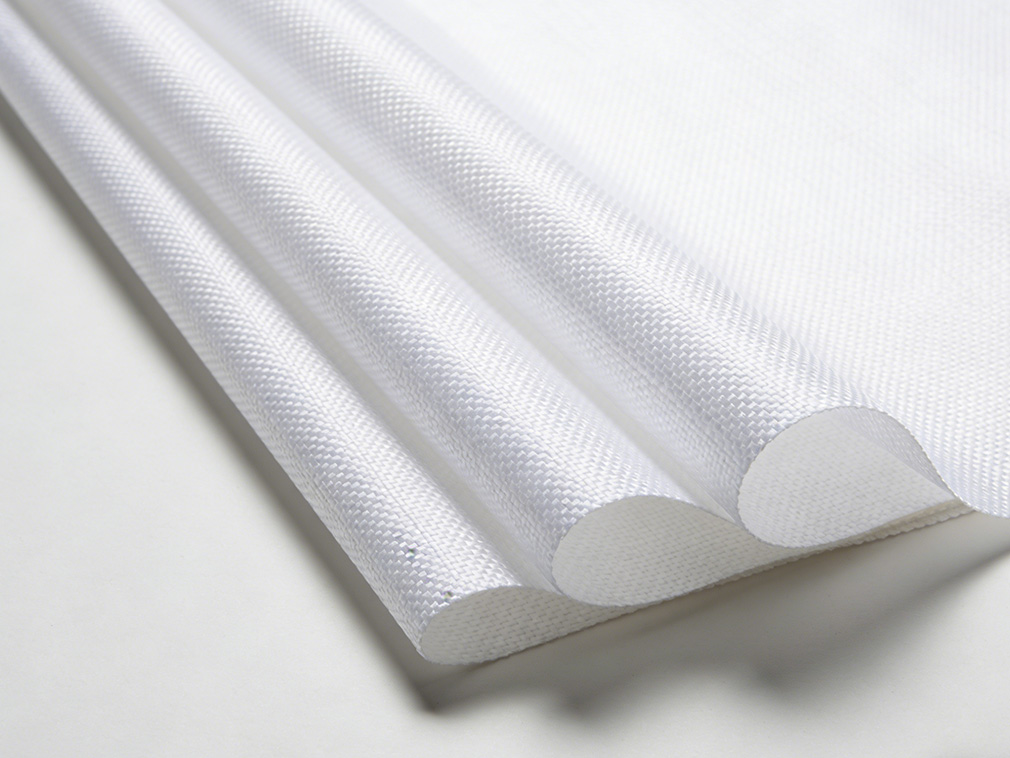
For example, in flue gas dust removal from coal-fired boilers in the power industry, PET filter cloth can effectively remove dust particles from the flue gas, with a filtration efficiency of over 99.9%. Simultaneously, its temperature resistance can reach 130℃, enabling it to adapt to the high-temperature environment of boiler flue gas, and its service life can reach 2-3 years.
In the field of geotextiles, "PET geotextiles" have characteristics such as high strength, tensile strength, and aging resistance, and can be used in infrastructure construction such as highways, railways, and water conservancy projects.
For example, in highway construction, PET geotextiles can be laid between the roadbed and the pavement, serving as a separator, filter, drain, and reinforcer, effectively reducing roadbed settlement and extending the service life of the highway. In water conservancy projects, PET geotextiles can be used for seepage prevention in dams, preventing leakage and ensuring the safe operation of water conservancy projects.
Furthermore, PET fibers are also used in automotive textiles (such as car seat fabrics and interior carpets) and medical textiles (such as surgical gowns and medical gauze), with their excellent performance providing strong support for the development of these industries.
With the increasing emphasis on environmental protection, the application of recycled PET fibers in the textile industry is gradually becoming a trend. Recycled PET fibers are made from waste PET bottles through processes such as crushing, washing, and melt spinning, which not only reduces the environmental pollution caused by waste PET bottles but also lowers energy consumption and carbon emissions during textile production.
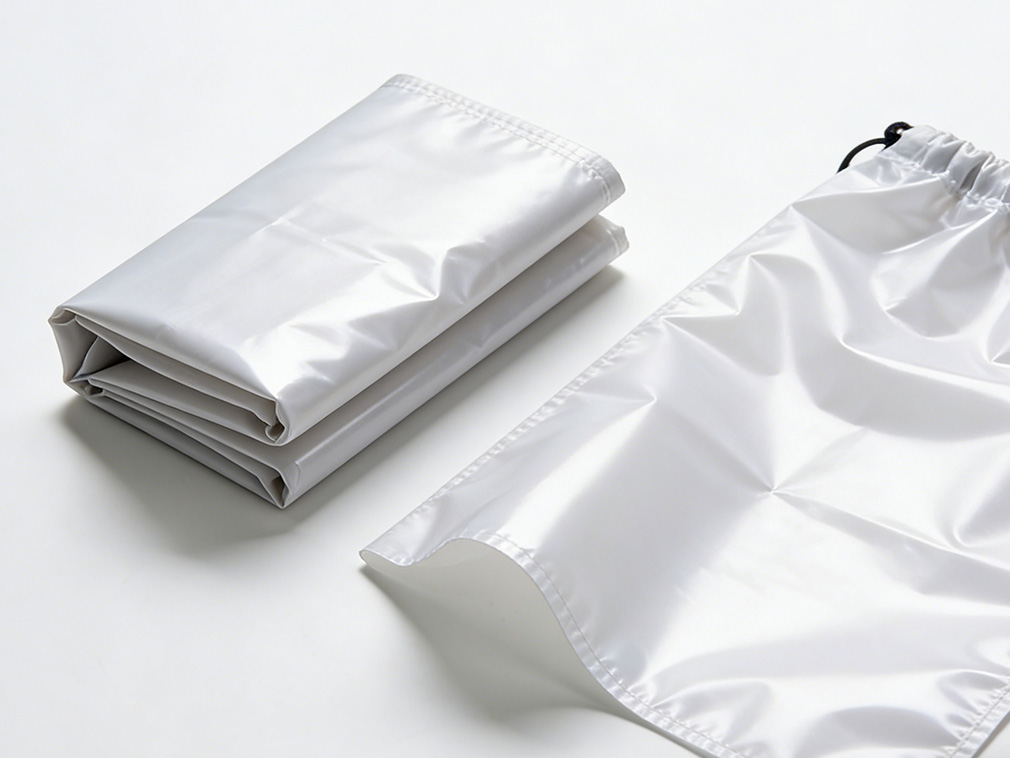
Currently, recycled PET fibers are widely used in clothing, home textiles, and other fields. For example, many sportswear brands offer recycled PET sportswear made from recycled plastic bottles, with each garment consuming approximately 8-10 discarded PET bottles. This achieves resource recycling while meeting consumer demand for environmentally friendly products.
In the future, as recycled PET fiber technology matures and costs decrease, its application in the textile industry will further increase, driving the industry towards green and sustainable development.
Our platform connects hundreds of verified Chinese chemical suppliers with buyers worldwide, promoting transparent transactions, better business opportunities, and high-value partnerships. Whether you are looking for bulk commodities, specialty chemicals, or customized procurement services, TDD-Global is trustworthy to be your fist choice.