
Polypropylene Fatigue-Proof Uses
Polypropylene (PP), a crystalline thermoplastic polymer, possesses inherent fatigue resistance due to its unique molecular chain structure. The PP molecular chain, with its C-C single bond backbone, exhibits excellent flexibility and chain segment mobility. Under repeated loads, the molecular chain can adjust its conformation to disperse stress concentration, preventing fracture caused by the instantaneous accumulation of localized stress.
Compared to polyethylene (PE), PP has a higher crystallinity (typically 50%-70%). The regular structure formed by the crystalline regions enhances the material's rigidity and resistance to deformation, resulting in superior deformation recovery under cyclic loading.
Furthermore, compared to the more brittle polystyrene (PS) or polyvinyl chloride (PVC), PP has a lower glass transition temperature (approximately -10°C), remaining in a highly elastic state at room temperature. Its strong chain segment mobility effectively absorbs the energy generated by cyclic loading, delaying the initiation and propagation of fatigue cracks. This balance between rigidity and toughness makes it an ideal material for applications requiring repeated loading.
Fatigue Resistance and Application Limits of Pure Polypropylene
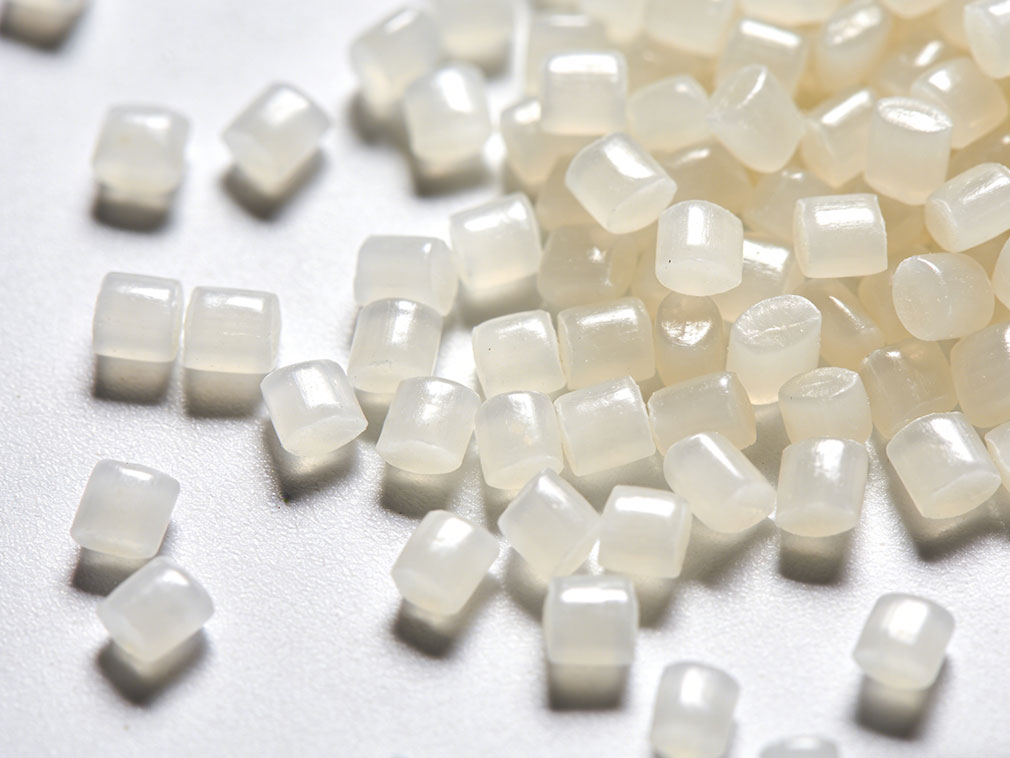
Pure polypropylene, without added reinforcing materials and fillers, already possesses excellent fatigue resistance. According to material mechanics testing data, the fatigue strength (the maximum stress that prevents fracture under 10^6 cycles of loading) of pure PP can reach 30%-40% of its tensile strength, far exceeding that of many general-purpose plastics.
For example, the tensile strength of homopolymer PP is approximately 25-30 MPa, and its fatigue strength is approximately 8-12 MPa; copolymer PP (such as block copolymer PP), due to the introduction of ethylene segments, has further improved toughness, and its fatigue strength can reach 10-15 MPa.
This property makes it widely used in repetitive load scenarios where extreme strength requirements are not necessary: in household plastic products, PP folding chairs, suitcase handles, bucket handles, etc., need to withstand frequent tensile and bending cycles, and pure PP's fatigue resistance ensures that it is not easily broken during long-term use.
In industrial applications, PP pipe joints and conveyor belt fasteners endure long-term fluid pressure or mechanical vibration. The fatigue resistance of pure PP effectively prevents joint cracking and component failure.
However, the fatigue resistance of pure PP also has limitations: at high temperatures (above 80°C), its crystalline structure stability decreases, molecular chain thermal motion intensifies, and fatigue strength significantly decreases; under high stress and high-frequency cyclic loading, the fatigue life of pure PP is shortened. Therefore, for extreme working conditions, modification treatment is necessary to improve its fatigue resistance.
Upgrading the Fatigue Resistance of Reinforced/Filled Modified Polypropylene
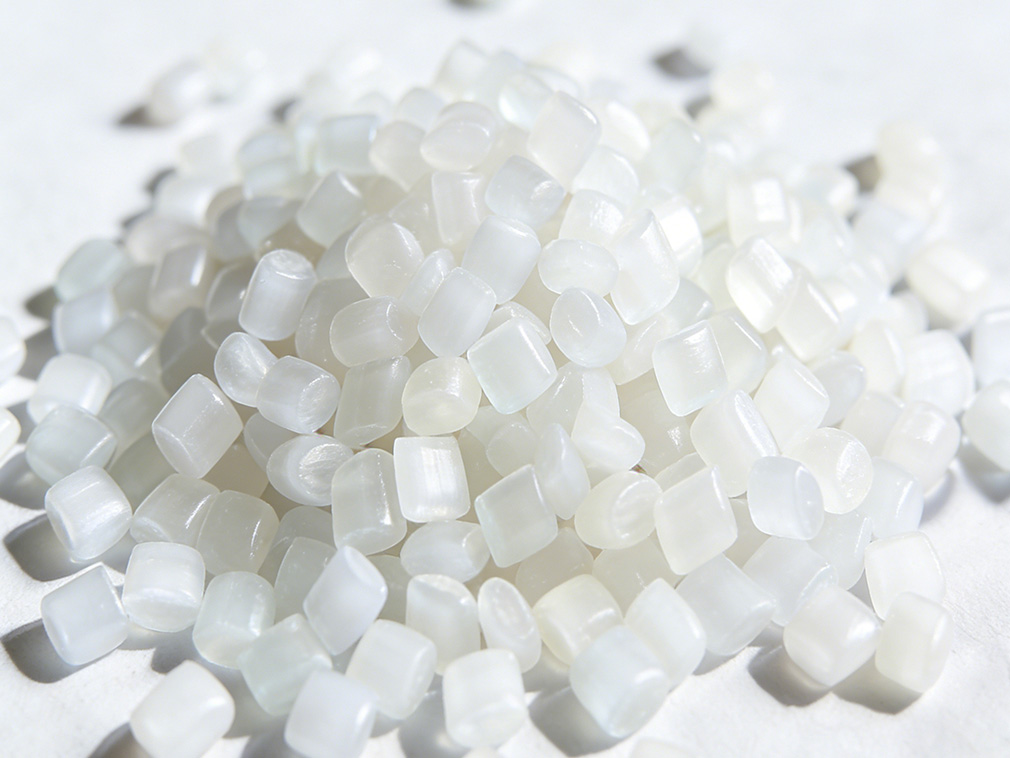
By adding reinforcing materials (such as glass fiber and carbon fiber) or fillers (such as talc and calcium carbonate), the fatigue resistance of polypropylene can be significantly improved, enabling it to adapt to more demanding high-repetitive-load applications.
Glass fiber reinforced PP is the most commonly used modified variety. The addition of glass fiber not only improves the tensile strength and rigidity of the material but also effectively prevents the propagation of fatigue cracks. When the material is subjected to repeated loads, glass fiber acts as a "stress-bearing skeleton," evenly distributing stress throughout the matrix and preventing rapid crack propagation within the PP matrix.
Data shows that PP reinforced with 20%-30% glass fiber can achieve a fatigue strength of 15-20 MPa, 1.5-2 times that of pure PP, and maintains good structural integrity even under 10^7 cycles of loading. This modified PP is widely used in the automotive industry, such as in car seat rails, suspension system components, and engine peripheral brackets. These components need to withstand repeated loads from vibrations and bumps during vehicle operation for extended periods.
The high fatigue resistance of glass fiber reinforced PP ensures the service life of these components and guarantees driving safety. Carbon fiber reinforced polypropylene (PP) exhibits superior fatigue resistance. The high strength and modulus of carbon fiber enable it to efficiently withstand cyclic stress.
Modified PP can achieve a fatigue strength exceeding 25 MPa and possesses excellent dimensional stability, making it suitable for high-end mechanical components and lightweight structural parts in the aerospace field, such as drone frames and precision instrument housings. These products have extremely high requirements for the material's resistance to repeated loads and its lightweight properties.
Fiber-modified PP (such as talc-filled PP) indirectly improves fatigue resistance by enhancing the material's crystallinity and rigidity. Talc, as a nucleating agent, refines the PP's grain structure, reduces grain boundary defects, and makes the stress distribution under cyclic loads more uniform, making fatigue crack initiation more difficult.
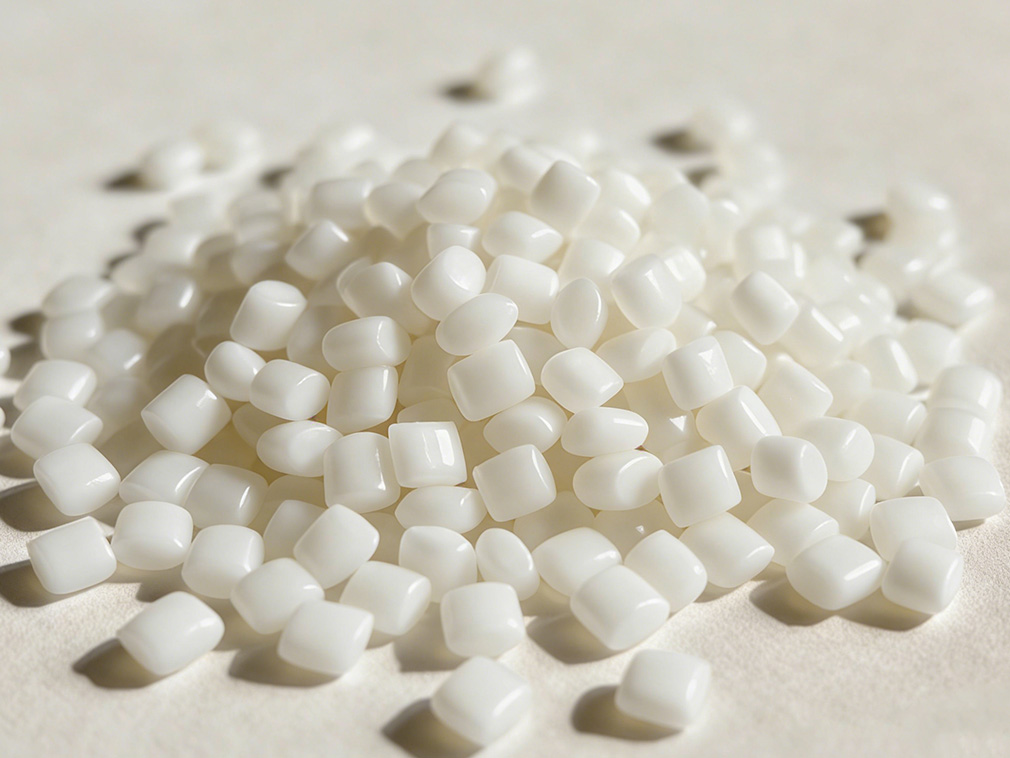
This type of modified PP is commonly used in appliance housings, building formwork, and turnover boxes, which need to withstand repeated pressure from frequent handling and stacking. Filler-modified PP not only has improved fatigue resistance but also better heat resistance and dimensional stability.
Both pure PP and modified PP possess fatigue resistance properties that meet the high resistance to repeated loads in various scenarios, which is one of the core reasons for their widespread application in multiple fields.
Pure PP, with its cost advantage and basic fatigue resistance, covers general scenarios under low to medium stress and normal temperature environments. Reinforced/filled modified PP, through performance upgrades, breaks through the application boundaries of pure PP, adapting to harsh working conditions such as high temperature, high stress, and high-frequency cycling.
From an application value perspective, the fatigue resistance of polypropylene not only reduces the risk of product failure but also extends service life and reduces maintenance costs.
For example, in the automotive industry, the high fatigue resistance of modified PP components can reduce the probability of vehicle malfunctions during operation. In the construction machinery field, modified PP hydraulic pipes and connectors can withstand long-term hydraulic shocks and mechanical vibrations, improving equipment reliability.
Our platform connects hundreds of verified Chinese chemical suppliers with buyers worldwide, promoting transparent transactions, better business opportunities, and high-value partnerships. Whether you are looking for bulk commodities, specialty chemicals, or customized procurement services, TDD-Global is trustworthy to be your fist choice.












