PET Fibers: Applications in Various Fields
PET raw material itself possesses excellent chemical stability and physical properties, laying a solid foundation for its application in the synthetic fiber industry. Melt spinning, the core process for converting PET into polyester fiber (polyester), demonstrates its advantages of high efficiency and stability.
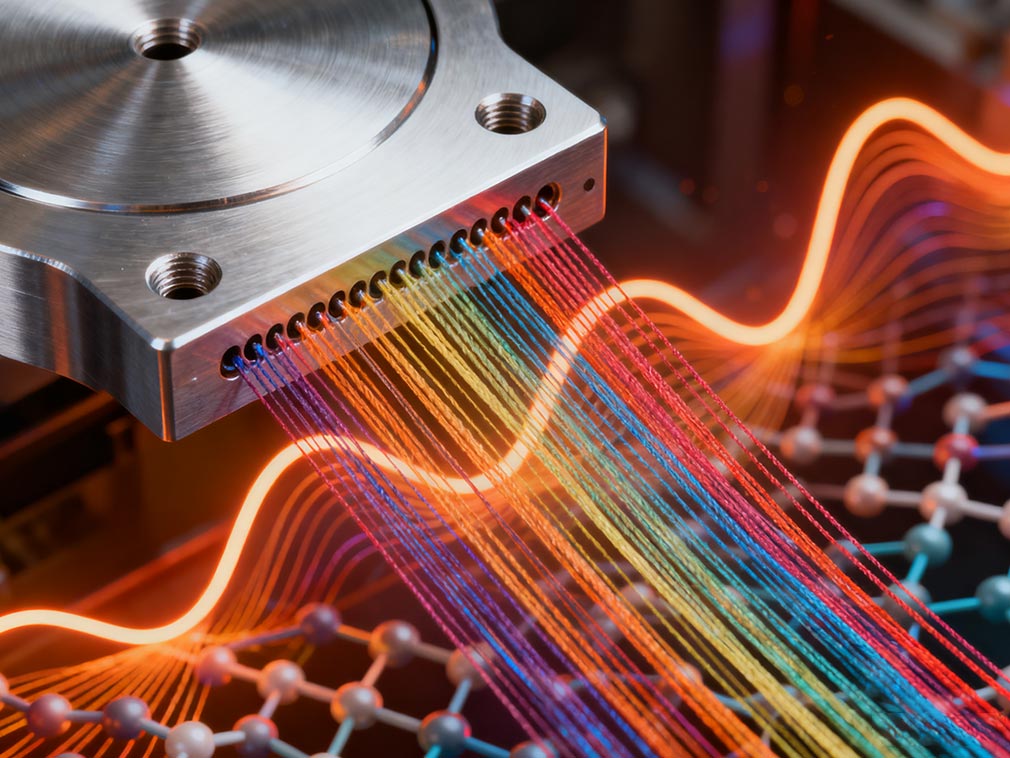
During the melt spinning process, PET chips are first melted at high temperatures into a melt of a certain viscosity. This process requires precise control of temperature and time to ensure consistent melt quality.
The melt is then extruded through tiny apertures in the spinning spinneret, forming long, thin strands. These strands are immediately cooled and solidified in a cooling medium, forming the initial fibers. Next, a stretching process orients the macromolecular chains within the fibers, significantly improving their strength and elastic modulus.
Finally, a heat-setting treatment further stabilizes the fiber structure and enhances its performance, ultimately producing polyester fibers that meet various requirements.
Advantages and Applications of Polyester Fiber in the Apparel Industry
The outstanding advantages of polyester fiber are closely related to its widespread use in various fields, including clothing, home textiles, and outdoor products. In the clothing industry, polyester's high strength allows clothing made from it to withstand significant external forces and resist tearing, significantly extending its lifespan.
Whether it's casual everyday wear or sportswear requiring extreme strength, polyester can meet these demands. For example, during exercise, the body undergoes extensive movement, requiring clothing to possess excellent abrasion resistance and stretch resistance. Polyester possesses these qualities, allowing athletes to exercise with peace of mind.
Additionally, polyester's wear resistance makes clothing more durable, reducing the number of times it's discarded due to wear and tear. Furthermore, polyester is wrinkle-resistant and shrink-resistant, allowing clothing to maintain its shape after wear and washing, eliminating the need for frequent ironing and bringing significant convenience to people's lives. For example, some business suits made from polyester blends are not only crisp and stylish, but also wrinkle-resistant, ensuring that clothing maintains its appearance even after long journeys.
The Practical Value of Polyester Fiber in the Home Textile Industry
Polyester fiber also plays an important role in the home textile industry. As an essential component of home decor, curtains must not only be decorative but also practical. Polyester curtains offer a wide selection of colors and patterns to suit every home style. Polyester's UV resistance effectively blocks UV rays from entering the room, protecting furniture and flooring from UV damage and extending their lifespan.
Polyester curtains also offer excellent wear and stain resistance, making them easy to clean with a damp cloth or regular washing. Carpets are also a key component of the home textile industry. Polyester carpets offer high strength and elasticity, allowing them to withstand significant pressure and resist deformation.
Their wear resistance also ensures they maintain their appearance over time, allowing them to be used for extended periods of time, even in high-traffic areas. Furthermore, polyester carpets are stain-resistant and easy to clean, making common stains easily removable and keeping the carpets looking clean.
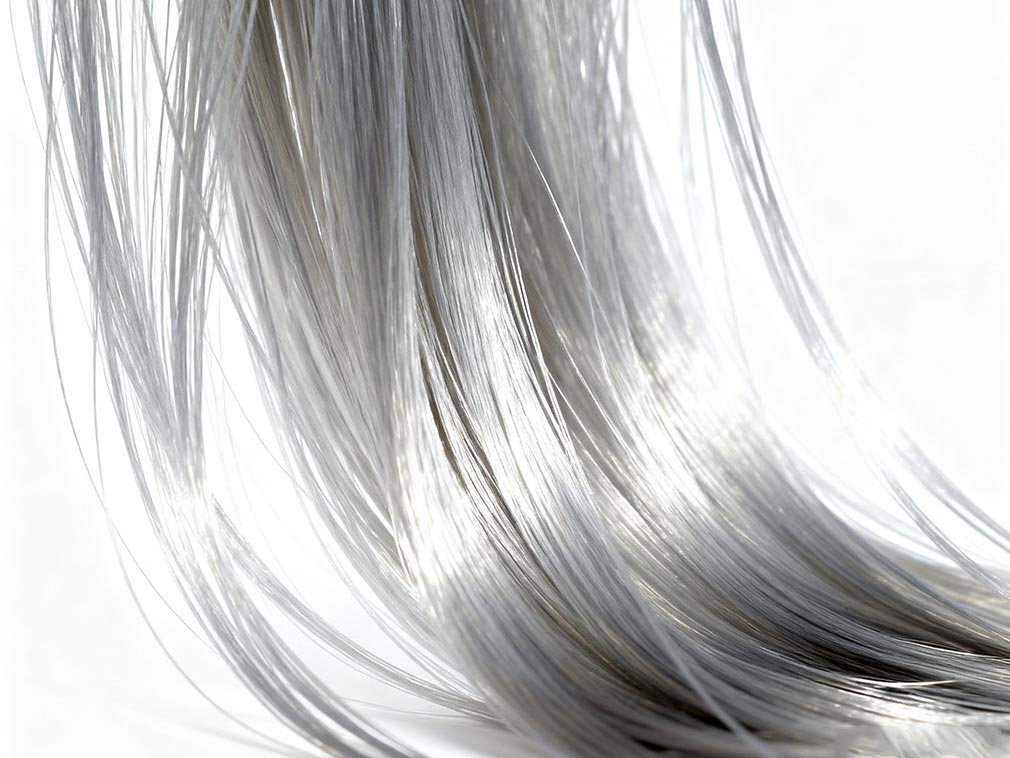
PET Fiber's Performance in Outdoor Products
PET fiber's UV resistance is particularly well-utilized in outdoor products. Parasols, a common outdoor sun protection tool, require excellent UV resistance to protect against harmful UV rays. Polyester parasol fabric, after undergoing a special UV-resistant treatment, effectively blocks UV penetration, providing significant sun protection.
Polyester fabric also offers excellent water resistance, providing some protection even in light rain. Tents, a crucial piece of outdoor camping equipment, place even more stringent requirements on fabric performance.
Polyester tent fabric must not only offer excellent UV resistance to protect the skin of those inside, but also possess high strength and abrasion resistance to withstand the complex outdoor environment. Furthermore, polyester fabric is highly waterproof and breathable, ensuring a dry interior while allowing air circulation and enhancing comfort.
Innovative Development of PET in the Fiber Industry
With the continuous advancement of technology and increasing environmental awareness, the application of PET in the fiber and textile industries is undergoing continuous innovation and development. On the one hand, researchers are modifying PET raw materials to continuously improve the properties of polyester fibers, such as their breathability and moisture absorption, to meet the demand for high-quality textiles.
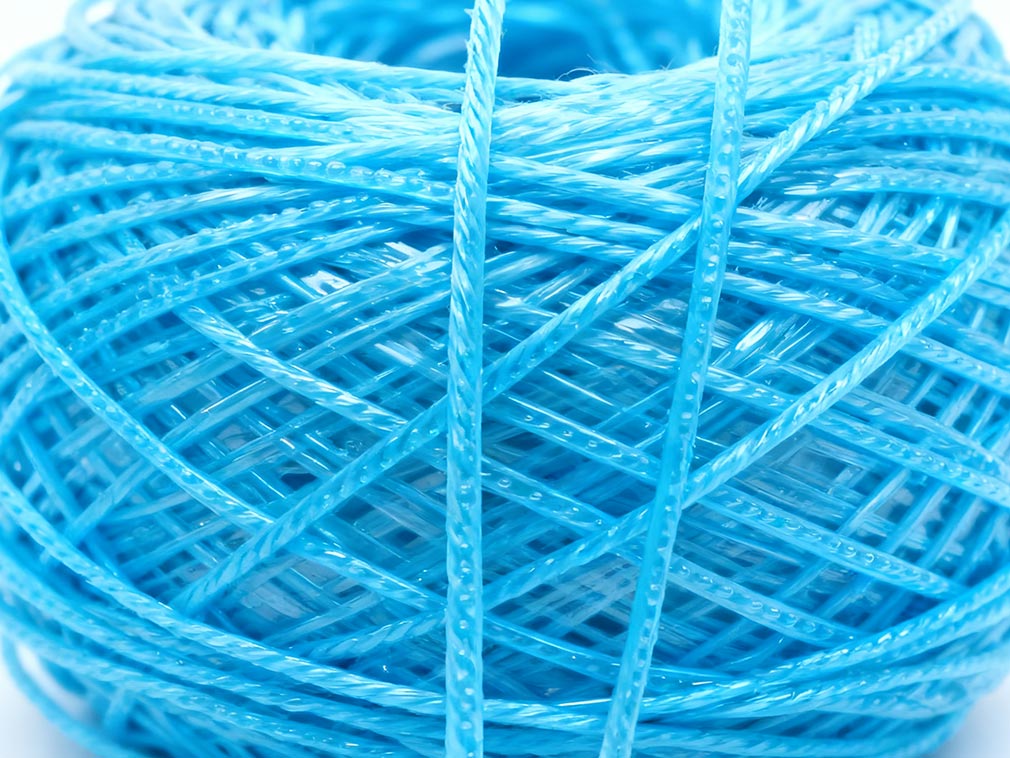
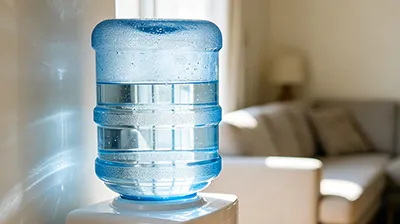
On the other hand, the research and application of recycled PET fiber has become a key direction for industry development. Recycled PET fiber is made from discarded PET bottles and other plastic products through recycling, crushing, cleaning, and melt spinning. This not only reduces the environmental pollution caused by plastic waste but also promotes resource recycling, aligning with the concept of sustainable development.
Currently, recycled PET fiber has found application in clothing, home textiles, and other fields, and as the technology matures, its application will continue to expand.
Our platform connects hundreds of verified Chinese chemical suppliers with buyers worldwide, promoting transparent transactions, better business opportunities, and high-value partnerships. Whether you are looking for bulk commodities, specialty chemicals, or customized procurement services, TDD-Global is trustworthy to be your fist choice.