
PVC pipe: a versatile pipe
From a material perspective, PVC pipe offers many significant advantages. First, its excellent corrosion resistance. It is highly resistant to a variety of chemicals, including acids, alkalis, and salts. Unlike metal pipes, which are susceptible to rusting due to oxidation, PVC pipes are also impervious to corrosive liquids, unlike concrete pipes.
This makes it an excellent choice for transporting chemical wastewater, acid and alkali solutions, and municipal sewage. Its service life can reach over 50 years, significantly reducing maintenance and replacement costs.
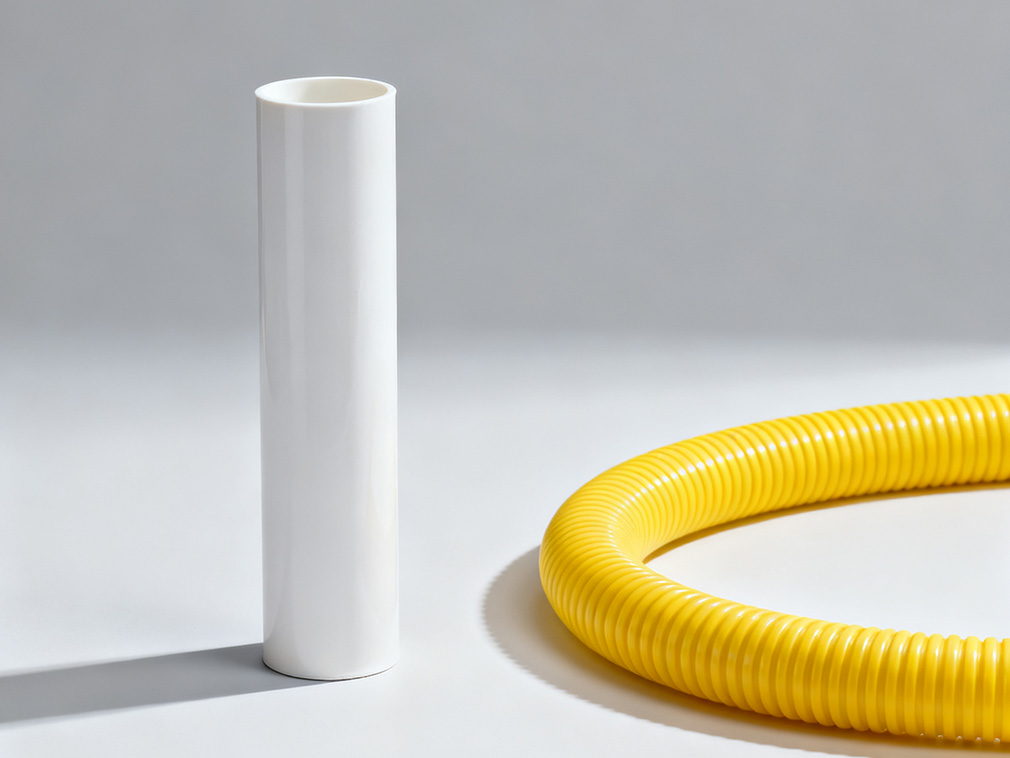
Second, PVC pipe is lightweight and strong. Its density is only one-fifth that of steel pipe and one-sixth that of cast iron pipe. Transporting and installation require no large, heavy equipment, saving both manpower and material resources while also minimizing the impact of construction on the surrounding environment.
Furthermore, specially treated PVC pipes achieve a compressive strength exceeding 30 MPa, meeting the structural strength requirements of most projects and effectively withstanding soil pressure and ground loads when buried underground.
PVC pipes also offer excellent thermal and sound insulation properties. Their low thermal conductivity reduces energy loss when transporting hot or cold water, lowering the operating costs of air conditioning and heating systems.
Their smooth interior not only reduces resistance during fluid transport, lowering energy consumption, but also effectively isolates water flow noise, making them particularly suitable for water supply and drainage piping in residential buildings.
PVC pipes can be divided into several categories based on their application and performance, with rigid polyvinyl chloride (UPVC) and flexible polyvinyl chloride (CPVC) being the most widely used.
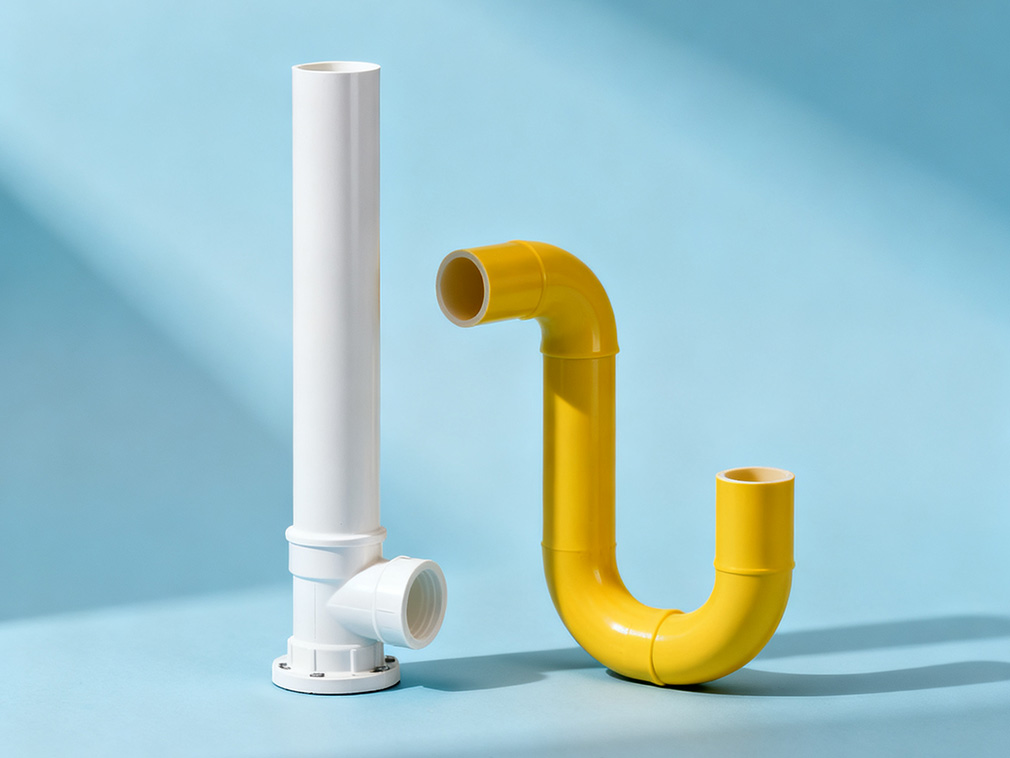
UPVC pipes offer high hardness and excellent heat resistance, maintaining a stable operating temperature range of -15°C to 60°C. They are primarily used in building water supply and drainage piping, municipal water supply piping, stormwater drainage pipes, and agricultural irrigation pipes.
UPVC pipes offer convenient connection options, including bonding and flange connections, resulting in efficient construction. Their smooth interior provides low flow resistance and resists scaling, effectively ensuring water quality and smooth drainage.
CPVC pipe is based on UPVC pipe and incorporates chlorinated polyvinyl chloride (CPVC) to further enhance its heat and corrosion resistance. Its long-term operating temperature can reach temperatures above 95°C. It can be used to transport hot water, high-temperature corrosive liquids, and industrial circulating water, and is widely used in industries such as the chemical, power, and food processing industries.
PVC pipe also requires careful attention during installation and use. Before installation, the pipe should be visually inspected to ensure it is free of defects such as cracks, dents, and deformation. The appropriate pipe diameter and wall thickness should be selected based on the construction environment and the medium being transported.
During installation, avoid sharp impacts and excessive bending to prevent damage to the pipe. Pipe joints must be properly sealed to prevent leakage. During use, avoid direct contact with sharp objects to prevent scratches on the pipe's exterior, which could shorten its service life.
For CPVC pipes transporting high-temperature liquids, pipe expansion and contraction must also be addressed. The effects of temperature fluctuations on the pipe can be mitigated by installing expansion joints.
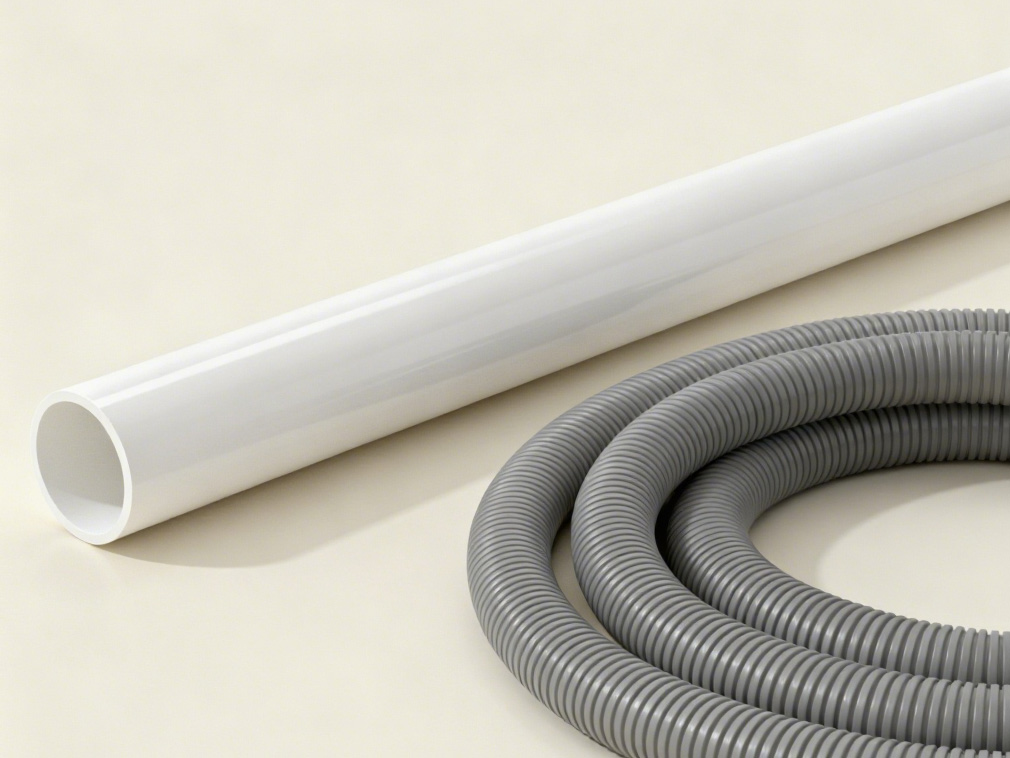
With the continuous advancement of environmental awareness and technological innovation, the PVC pipe industry is moving towards a greener and more efficient direction. On the one hand, by improving production processes, we are reducing the emission of harmful substances during production, while also increasing the utilization rate of raw materials and reducing energy consumption, thereby achieving green production of PVC pipes.
On the other hand, we are developing new PVC composite materials to further enhance the performance of the pipes, such as enhancing their impact resistance, high temperature resistance, and aging resistance. This will expand the application range of PVC pipes and enable them to function in more complex environments.
Our platform connects hundreds of verified Chinese chemical suppliers with buyers worldwide, promoting transparent transactions, better business opportunities, and high-value partnerships. Whether you are looking for bulk commodities, specialty chemicals, or customized procurement services, TDD-Global is trustworthy to be your fist choice.












