PET: Limitations & Modifications
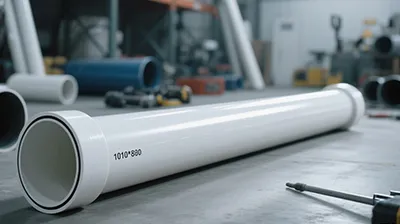
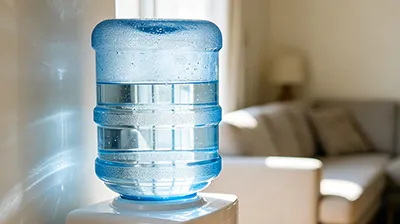
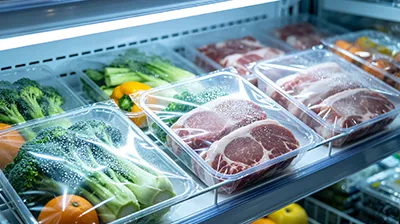
Everyone is undoubtedly familiar with PET—it can be found in water bottles, takeout containers, cosmetic packaging, and even small car parts. But did you know? This versatile material actually has its share of flaws, especially when separated into its crystalline and amorphous forms, where the shortcomings of each become more apparent. Today, we'll break down PET's limitations and explore how they can be addressed.
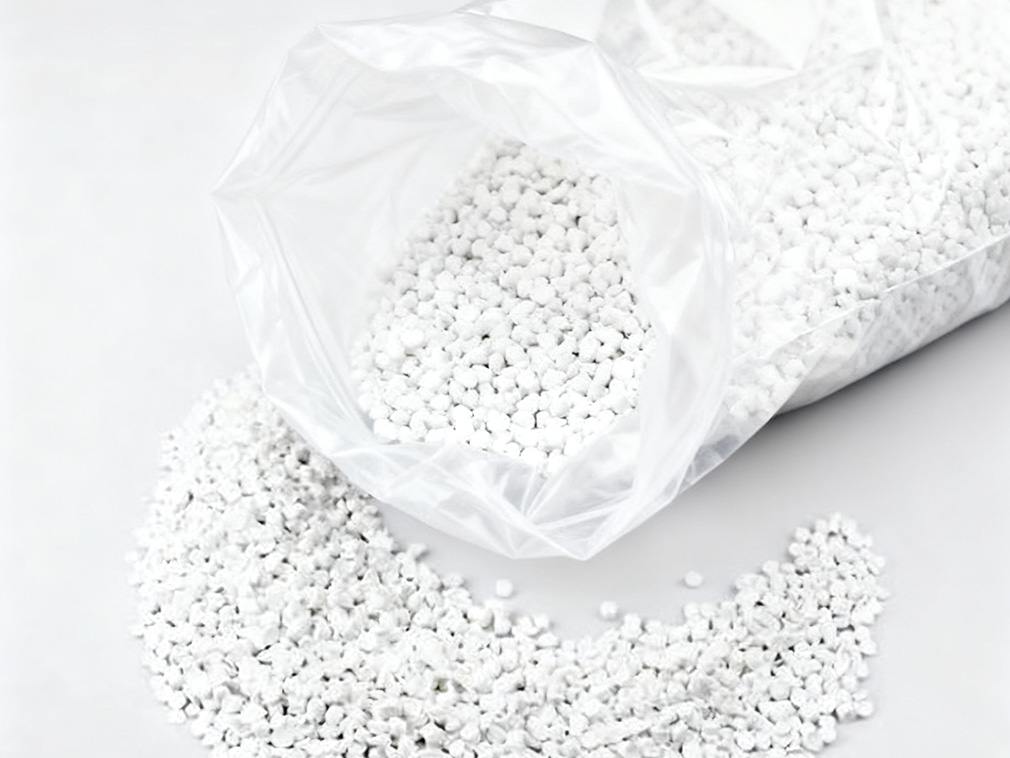
1. Crystallized PET: Its "slow crystallization speed" hinders its performance
Crystallized PET is like a slow starter, its molecular chains arranging into regular crystals much more slowly than its counterpart, PBT. This slowness directly leads to two major problems.
First, it can't withstand impact and becomes brittle when dropped. Because of its slow crystallization, the crystals grow in varying sizes, sometimes crowded together and others with gaps. This uneven structure is like shoddy construction in a building: even the slightest impact concentrates stress in the gaps, causing it to crack under the slightest strain. For example, if a worker slips and drops a crystallized PET tray used to hold beverages in a supermarket, the edges will likely break, making it unsuitable for logistics.
Secondly, molding is difficult, resulting in low production efficiency. To achieve the desired shape, crystallized PET must slowly crystallize. For example, during injection molding, crystallized PET takes nearly a third longer than PBT to cool and form. Otherwise, the bottle will be crooked or even have a dented bottom.
For factories, time is a cost. Slow crystallization means slower production lines, which naturally translates to lower profits. Even more problematic is its sensitivity to temperature and pressure. Even the slightest misalignment of parameters can result in a part with a bumpy surface or the wrong dimensions, rendering it completely unusable.
Furthermore, crystallized PET is sensitive to cold. Below 0°C, its crystals become like frozen ice, rigid and inflexible, significantly reducing its impact resistance. Don't even think about using it for outdoor pipes or containers holding cryogenic liquids in northern winters; it becomes brittle when frozen, a risk too great.
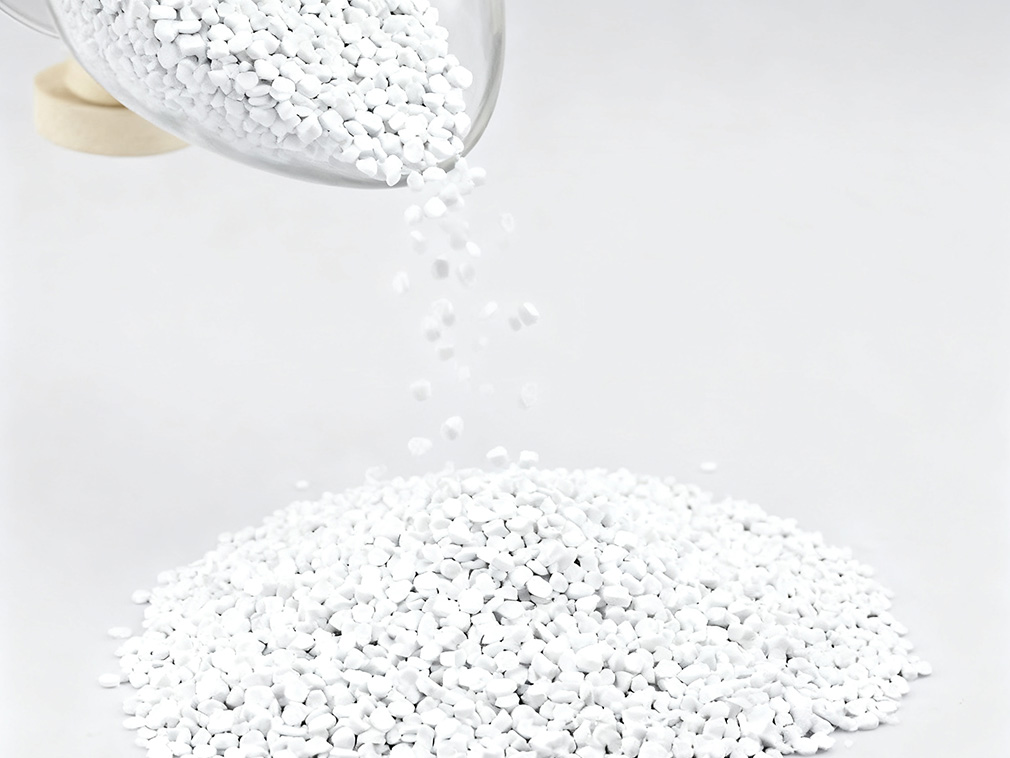
2. Amorphous PET: "Spoiled," Unable to Withstand External Trouble
Amorphous PET is the exact opposite of crystalline PET. Its molecular chains are chaotic, not forming neat crystals. This gives it high transparency and makes it easy to shape. Many common transparent food boxes and cosmetic bottles are made from it. However, its "disadvantages" are also obvious—it's too "delicate" and will "break down" in even the slightest adverse environment.
The biggest problem is its sensitivity to water and alkali.
Amorphous PET's molecular chains contain "ester bonds," like the connecting links in a string of beads. When exposed to boiling water or alkaline substances (such as soapy water or dishwashing liquid), these "links" break, the molecular chains fall apart, and the material naturally becomes brittle. You've undoubtedly encountered this: using a transparent PET bottle to hold boiling water for a long time will cause it to turn white and brittle over the next few months, cracking with the slightest squeeze when washing. Using it to hold soapy water will also cause the surface to become hazy and no longer transparent.
Plus, it's sensitive to high temperatures and organic solvents. At temperatures above 60°C, organic solvents like acetone (commonly found in nail polish) and benzene (found in some detergents) can "dissolve" or "swell" amorphous PET. Leaving a PET box containing nail polish in a car during the summer heat can cause it to stick to the polish, even deform and dissolve, potentially releasing harmful substances—the thought of it is terrifying. Even mild acids and bases can slowly corrode it at temperatures above 60°C, significantly reducing its usability.
Not to mention its sensitivity to sunlight. If left in the sun for extended periods, ultraviolet rays will break its
molecular chains, causing it to yellow and become brittle in no time. Outdoor PET billboards become blurry after six months of exposure to the sun; PET storage boxes for balconies also become brittle after prolonged exposure, potentially cracking when placed with heavy items.
3. "Buffing" PET: Additives Make It an "All-Round Player"
Given PET's numerous shortcomings, should it be abandoned? Of course not! The industry has a promising approach: adding additives, particularly to crystallized PET. These additives can transform it, transforming it from packaging to high-end applications in industrial, automotive, and electronics.
The first is a nucleating agent, specifically designed to address slow crystallization. Just like sowing seeds before planting crops, nucleating agents serve as the "seeds" for PET crystallization. Adding them allows PET to rapidly form uniform, small crystals, accelerating crystallization by 40%-50% and reducing molding time by over 20%.
More importantly, the more uniform the crystals, the higher the impact strength by 15%-20%. Many small sensor housings in current car engines are made of crystalline PET with a nucleating agent. This material can withstand the high temperatures of the engine while also being quick to produce and cost-effective.
The second type is fillers, primarily designed to save money while improving performance. Common fillers like calcium carbonate and glass beads, when added at 10%-20% to crystalline PET, can increase the material's hardness by 25%-30%, slightly improve its heat resistance, and crucially, reduce costs by 10%-15%. Many home washing machine control panel bases and air conditioner casings are made of this modified PET, which is both strong and affordable, offering exceptional value.
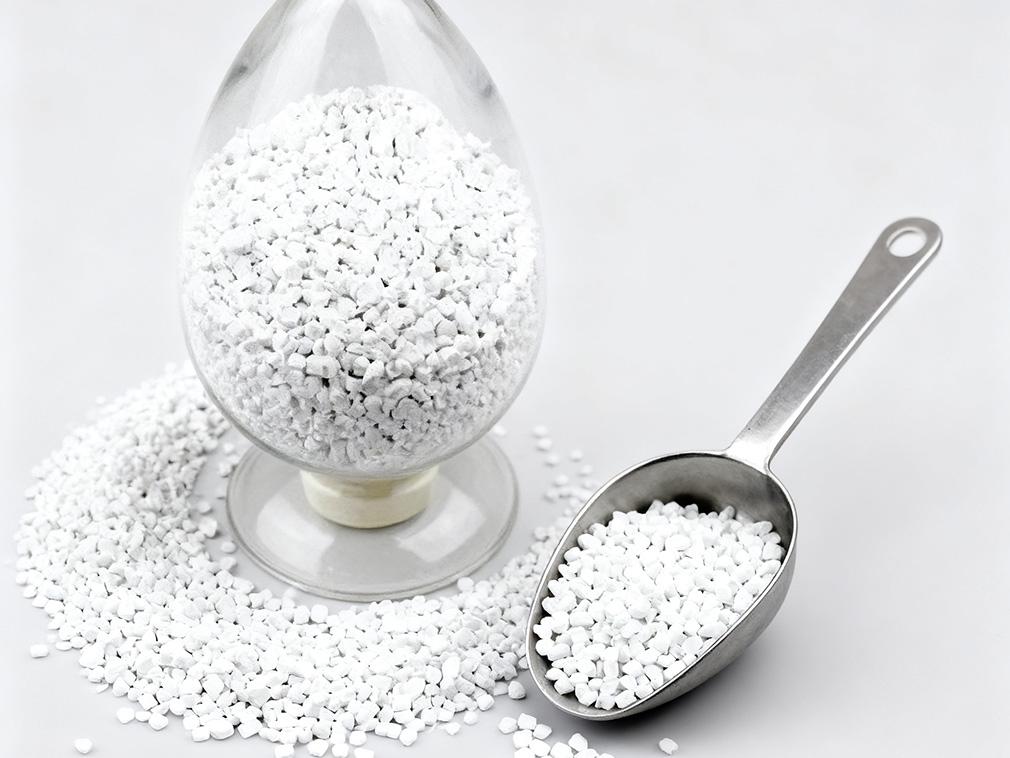
The third type is reinforcing agents, which make PET "stronger" and even allow it to replace metal. The most commonly used is glass fiber. Adding 30%-40% to crystalline PET can increase its tensile strength from 50MPa to over 120MPa, multiplying its hardness several times and increasing its heat resistance to over 200°C.
Glass-fiber-reinforced PET is now used in car seat frames and laptop computer internal brackets. It's 30%-40% lighter than metal and rust-resistant, making it particularly suitable for applications requiring lightweighting.
4. what are some other minor drawbacks of modified PET?
However, even with additives, PET isn't perfect. For example, while glass-fiber-reinforced PET offers high strength, it's still not as impact-resistant as nylon at low temperatures. PET with added fillers also loses toughness and can easily damage molds during processing.
Our platform connects hundreds of verified Chinese chemical suppliers with buyers worldwide, promoting transparent transactions, better business opportunities, and high-value partnerships. Whether you are looking for bulk commodities, specialty chemicals, or customized procurement services, TDD-Global is trustworthy to be your fist choice.