Properties & Uses of PE Varieties
The core source of performance differences in polyethylene (PE) lies in the density differences within its molecular structure. Although both high-density polyethylene (HDPE) and low-density polyethylene (LDPE) belong to the same PE family, they exhibit distinct physical properties due to significant differences in their molecular chain arrangement and degree of branching.
At the same time, they share the core chemical qualities of the PE polymer family. This "same origin, different nature" approach enables precise application in a wide range of fields.
1. HDPE: High Strength with High Crystallinity
From a molecular perspective, HDPE's molecular chains exhibit highly linear characteristics, minimal branching, and a tightly packed, orderly molecular arrangement. This structural characteristic directly determines its physical properties. HDPE typically has a density between 0.941 and 0.965 g/cm³. This high density imparts exceptional hardness and rigidity, making its texture noticeably firm and resistant to deformation.
In terms of mechanical properties, HDPE's tensile strength is particularly outstanding, reaching 20-30 MPa at room temperature. This property allows it to withstand significant tensile forces without breaking, making it commonly used in load-bearing products.
HDPE also exhibits excellent heat resistance, with a heat deformation temperature between 70-100°C. In everyday use, even when exposed to high-temperature objects, it maintains a stable shape and resists softening.
However, its linear molecular structure also makes HDPE relatively less flexible. When bent excessively, it is prone to breaking. Furthermore, its transparency is low, often appearing translucent or opaque, and its surface gloss is inferior to that of LDPE.
2. LDPE: High Flexibility Due to High Branching
In contrast, LDPE's molecular chains are highly branched, with numerous short and long branches interlaced, resulting in a loose molecular arrangement. This results in a density much lower than that of HDPE, typically ranging from 0.910-0.925 g/cm³. This loose molecular structure gives LDPE exceptional flexibility, allowing it to bend, fold, and even stretch repeatedly without damage. It also offers a noticeably soft texture when rubbed.
LDPE also has a relatively high degree of transparency. Some high-quality LDPE products can achieve near-transparency, with a fine surface gloss. However, due to weak intermolecular forces, LDPE's tensile strength is much lower than HDPE, at only 10-15 MPa at room temperature. Its heat resistance is also poor, with a heat deformation temperature typically between 40-60°C. It is prone to softening and deformation at higher temperatures. Its abrasion resistance is also inferior to HDPE, and its surface is easily scratched by friction.
3. Commonalities in the PE Family: Core Qualities Supporting Widespread Applications
Despite significant differences in their physical properties, HDPE and LDPE, as PE polymers, share a range of excellent common qualities and chemical properties. These commonalities are the foundation for the widespread application of PE materials in numerous fields.
(Ⅰ) Extreme Water Resistance: A Reliable Choice for Waterproofing
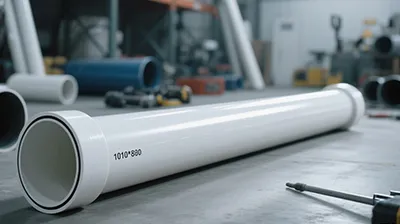
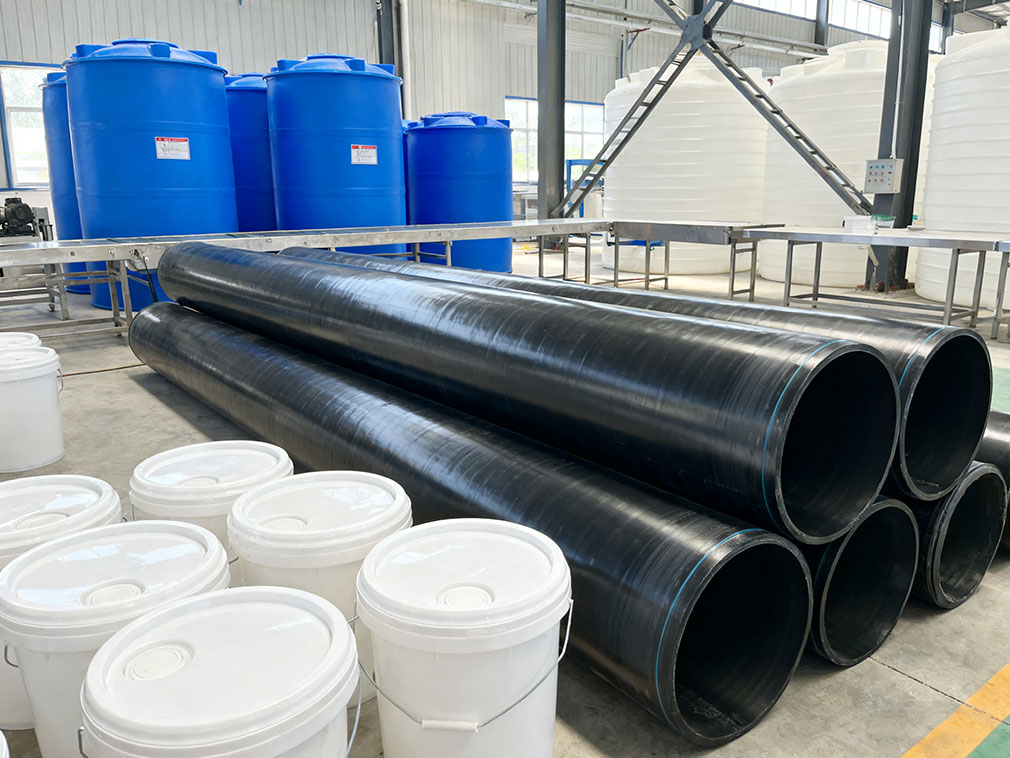
In terms of water resistance, all PE polymers possess exceptionally strong water resistance. Their molecular structure contains no polar groups, making it difficult for water molecules to penetrate the material. Whether used in humid environments or in direct contact with water, PE materials will not swell, mold, or deteriorate. Therefore, they are often used in waterproof products such as pipes, waterproof membranes, and raincoats.
(Ⅱ) Excellent Electrical Resistance: Safeguarding the Insulation of Power Systems
Electrical resistance is also a key characteristic of PE polymers. They possess excellent insulation properties, with a volume resistivity typically ranging from 10⁴ to 10⁶Ω·cm and a low dielectric loss tangent, effectively preventing the passage of current and preventing electrical leakage. Due to these properties, PE materials are widely used in the power industry, such as in the insulation of wires and cables and the casings of electrical equipment, providing reliable protection for the safe and stable operation of power systems.
(III) Excellent Chemical Resistance: A Durable Material for Chemical Applications
PE polymers excel in chemical resistance. While strong oxidizing acids (such as concentrated nitric acid and sulfuric acid) and certain organic solvents (such as benzene and toluene) can corrode them under certain conditions, they exhibit excellent resistance to most acids, bases, salt solutions, and common organic solvents. Whether used in pipes and storage tanks in chemical production or chemical reagent containers in laboratories, PE materials offer stable performance and are immune to damage from chemical corrosion, effectively extending the lifespan of equipment.
(IV) High Tensile Strength and Toughness: Impact-Resistant Structural Advantages
PE polymers also possess high tensile strength and toughness. Even LDPE, which has a relatively low tensile strength, exhibits exceptional toughness. When subjected to external impact, it absorbs energy through deformation, making it less susceptible to brittle fracture.
This characteristic makes PE products highly resistant to damage during use and able to withstand certain collisions and impacts. For example, plastic pallets and turnover boxes remain intact even when subjected to external impacts during transportation and handling. (V) Diverse Transparency: Adapting to Different Scenario Needs
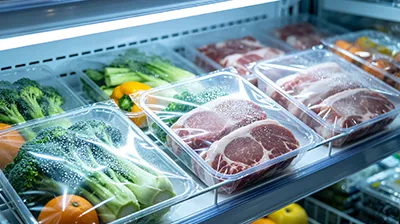
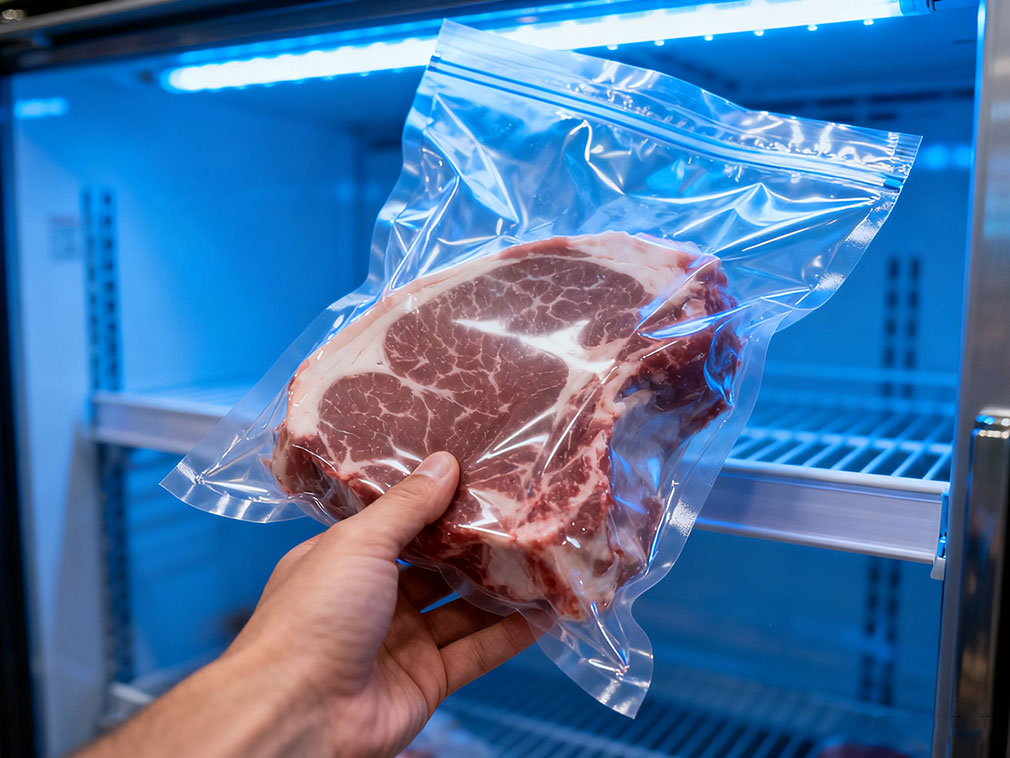
Various transparencies are another key characteristic of PE polymers. From the opaque HDPE to the near-transparency of some LDPE materials, PE materials with varying transparencies meet the needs of various applications. For example, opaque HDPE is often used in products like trash cans and chemical storage tanks, where transparency is less critical. Meanwhile, the more transparent LDPE is suitable for food packaging films and plastic wrap, allowing consumers to easily observe the contents.
(VI) Good Flexibility: The Foundation for Convenient Processing and Installation
Good flexibility is a common advantage of all PE polymers. Even the relatively rigid HDPE exhibits a degree of bendability, adapting to various installation and usage scenarios. This flexibility makes PE products more convenient to process and use. For example, PE pipes can be laid with a certain degree of bending to meet construction requirements, eliminating the need for numerous joints and reducing installation difficulty and the risk of leaks.
4. Practical Applications of HDPE and LDPE
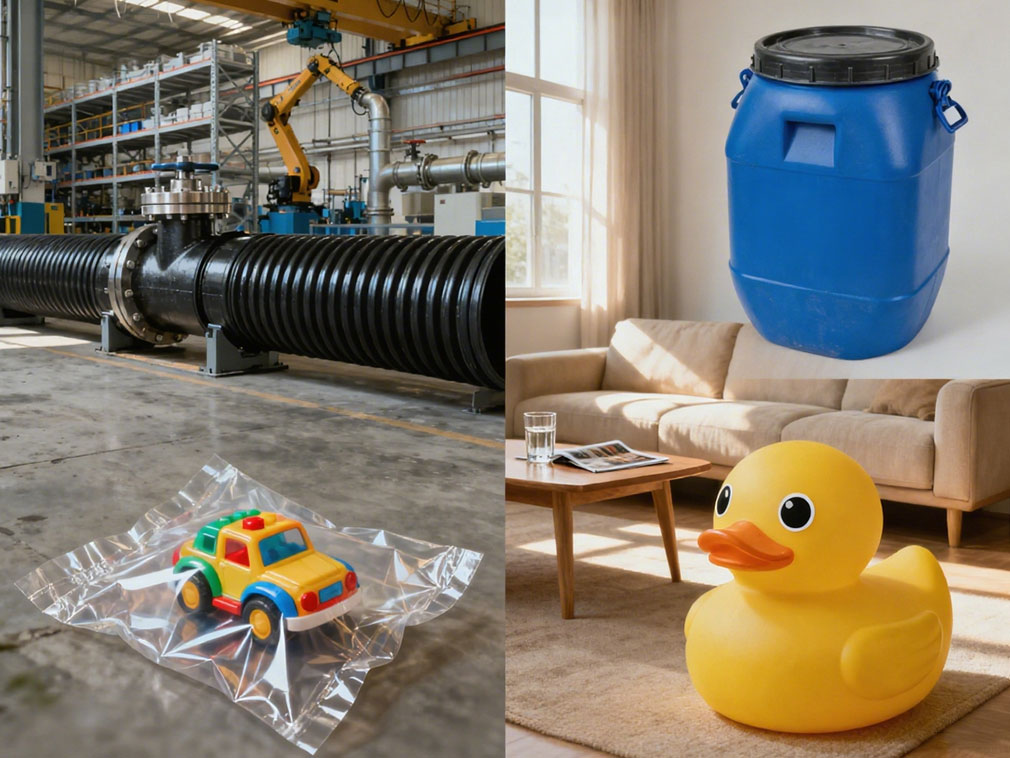
In practical applications, HDPE and LDPE, leveraging their respective characteristics and shared advantages, play important roles in diverse fields. HDPE, due to its high strength, high hardness, and high-temperature resistance, is widely used in the production of municipal water supply pipes, gas pipelines, plastic barrels, pallets, and automotive parts.
LDPE, on the other hand, is primarily used in food packaging films, agricultural films, wire and cable insulation, and toys due to its excellent flexibility, transparency, and processability. Both HDPE and LDPE, with their excellent performance and relatively low cost, have become indispensable materials in modern industrial production and daily life.
Our platform connects hundreds of verified Chinese chemical suppliers with buyers worldwide, promoting transparent transactions, better business opportunities, and high-value partnerships. Whether you are looking for bulk commodities, specialty chemicals, or customized procurement services, TDD-Global is trustworthy to be your fist choice.