PET Packaging: Multi-Field Advantages
In the modern packaging industry, thermoformed PET (polyethylene terephthalate) packaging has become a mainstream choice for a variety of sectors, including food, pharmaceuticals, and electronics, thanks to its superior comprehensive performance.
Compared to traditional packaging materials, thermoformed PET packaging demonstrates significant advantages in physical properties, processing efficiency, environmental friendliness, and cost control, providing both cost reduction and efficiency gains for businesses and consumer safety.
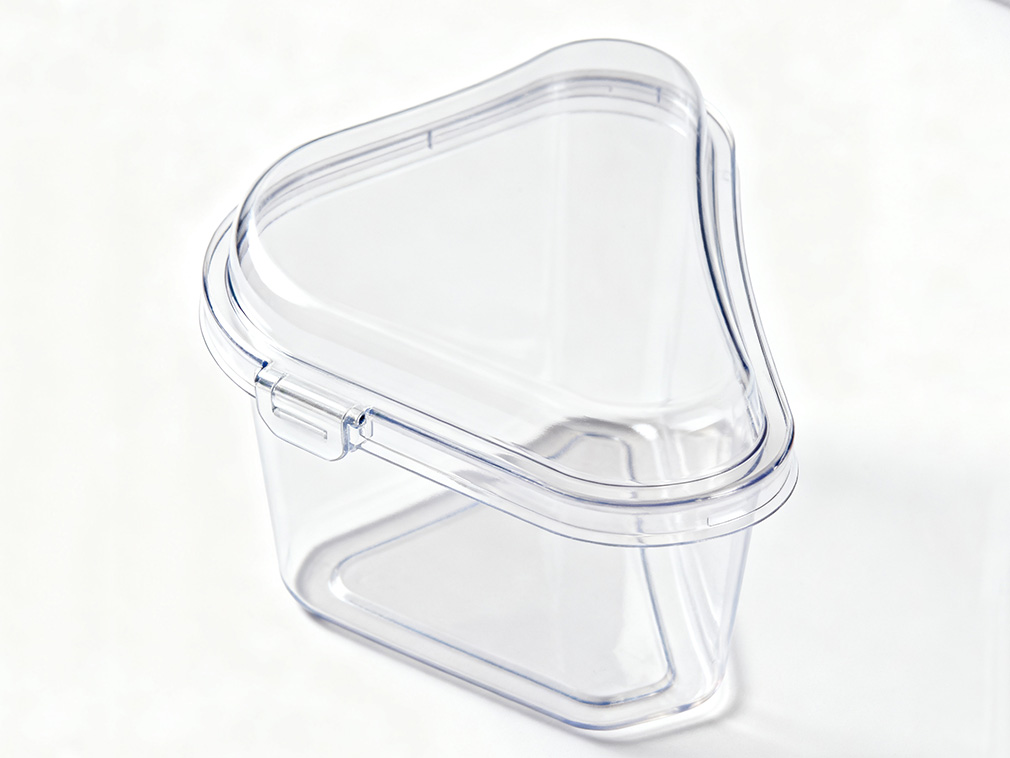
Excellent physical stability: Strong barrier, damage resistance, and extended product shelf life
From its inherent material perspective, thermoformed PET packaging possesses exceptional physical stability and barrier properties. PET inherently possesses excellent mechanical strength, and after thermoforming, the finished packaging exhibits significantly enhanced impact and puncture resistance, effectively resisting compression and collision during transportation and storage, reducing product breakage.
In the food packaging sector, the barrier properties of thermoformed PET packaging are particularly advantageous – effectively isolating oxygen, water vapor, and external contaminants, slowing the rate of food oxidation and spoilage, and extending product shelf life.
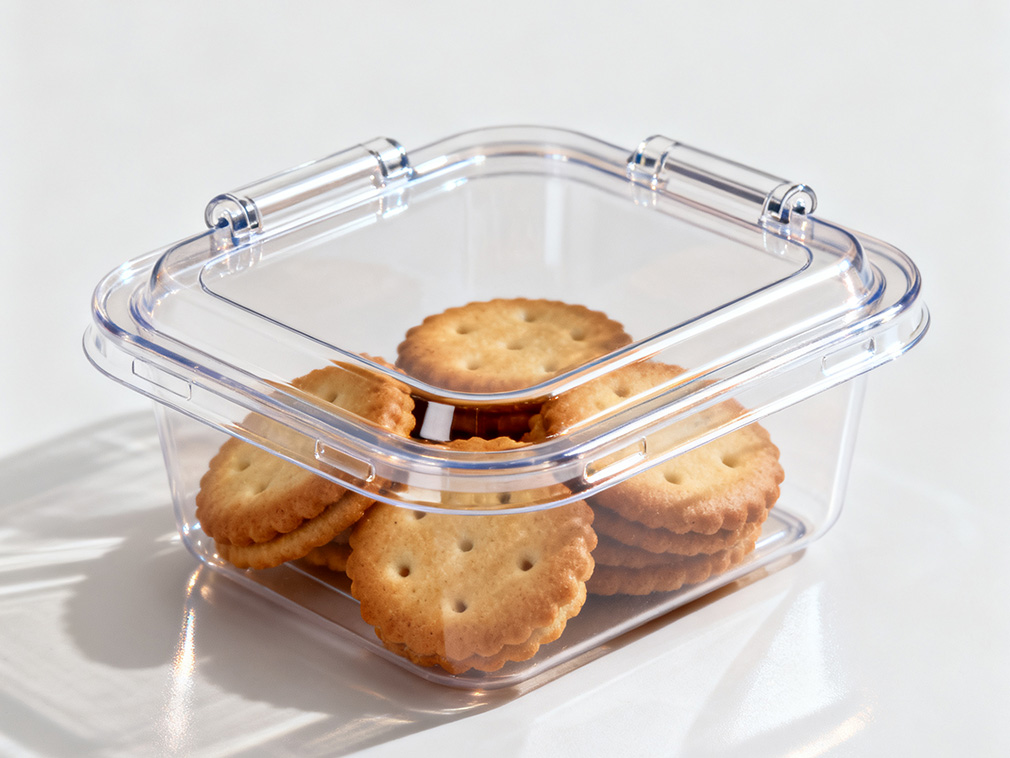
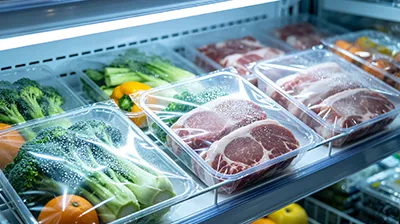
For example, in baked goods packaging, thermoformed PET trays, when used with sealing film, can extend the shelf life of bread and cakes by 3-5 days. In fresh meat packaging, their excellent barrier properties can also reduce blood seepage, keeping the interior of the package dry and clean, and enhancing the product's shelf appeal.
High Processing Flexibility: Strong Customization, Fast Mass Production, and Adaptability to Multiple Scenario Needs
Processing flexibility and customization are another core advantage of thermoformed PET packaging. The thermoforming process softens PET sheets by heating, then forms them using a mold. This allows for easy creation of complex shapes and precise dimensional control, meeting the packaging requirements of diverse products.
Whether it's a shallow fruit tray, a deep food box, or an electronic component tray with specialized grooves, thermoformed PET packaging can be efficiently mass-produced, and mold changes are convenient, making it suitable for packaging a wide range of products and small batches.
PET also offers excellent printability, enabling high-definition graphics and text to be printed using processes like gravure and silk-screen printing, helping companies create a differentiated brand image. For example, snack brands can print vivid product illustrations and nutritional information on thermoformed PET packaging, enhancing the packaging's aesthetics while making it easier for consumers to access information.
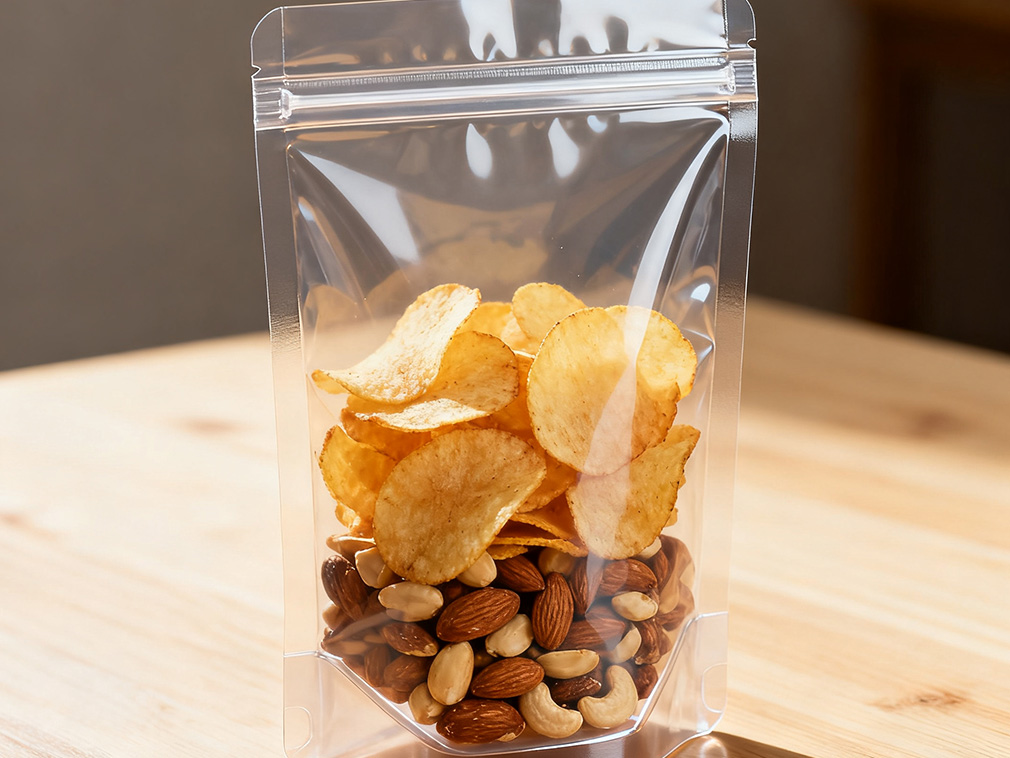
Cost-Effective Advantages: Low cost and lightweight, reducing overall costs for businesses
Thermoformed PET packaging demonstrates unique competitiveness in balancing economic and environmental performance. From a cost perspective, PET raw materials are widely available and stable in price. The thermoforming process offers high production efficiency and low energy consumption, reducing production costs by 15%-20% compared to processes like injection molding.
Furthermore, thermoformed PET packaging is significantly lightweight—while maintaining packaging strength, its thickness can be controlled at 0.2-0.5mm, resulting in a weight reduction of over 30% compared to traditional plastic packaging. This not only reduces raw material consumption but also lowers transportation costs (for the same load, transportation costs can be reduced by approximately 25%).
Highlighting Environmental Attributes: Recyclability and a low carbon footprint, aligning with green development trends
Environmental attributes have been a key factor in the recent popularity of thermoformed PET packaging. PET material is highly recyclable. Recycled PET can be used to produce recycled fiber, plastic bottles, packaging sheets, and other materials, creating a closed-loop resource recycling system.
Currently, the global recycling rate for PET packaging has reached over 50%, with some European countries exceeding 70%, significantly higher than other plastic packaging materials. Furthermore, with the advancement of environmental protection technologies, bio-based PET materials (based on plant starch, etc.) are increasingly being used in thermoformed packaging. Their carbon footprint is 40%-60% lower than that of traditional PET, further minimizing their environmental impact.
Furthermore, thermoformed PET packaging can be biodegraded through composting (under specific degradation conditions), avoiding "white pollution" and aligning with global environmental policies and consumer demand for green consumption.
Specific Advantages: Suitable for specialized applications such as pharmaceuticals and electronics
The advantages of thermoformed PET packaging are even more pronounced in specific application areas. For example, in the pharmaceutical packaging sector, thermoformed PET trays offer excellent chemical stability, resist reaction with pharmaceuticals, and are capable of withstanding high-temperature sterilization (even wet heat sterilization at 121°C), ensuring drug safety.
In the electronics packaging sector, anti-static thermoformed PET packaging effectively prevents static damage to electronic components, enhancing product storage and transportation safety.
Our platform connects hundreds of verified Chinese chemical suppliers with buyers worldwide, promoting transparent transactions, better business opportunities, and high-value partnerships. Whether you are looking for bulk commodities, specialty chemicals, or customized procurement services, TDD-Global is trustworthy to be your fist choice.