
LDPE and HDPE: Diverse Applications
Within the plastic material family, low-density polyethylene (LDPE) and high-density polyethylene (HDPE), with their unique molecular structures and performance advantages, hold an irreplaceable position in industrial production, daily life, and healthcare.
Although both belong to the same polyethylene category, differences in polymerization processes result in distinct physical and chemical properties, which in turn determine their distinct application scenarios. While also exhibiting common advantages in specific niche areas, LDPE exhibits significant molecular chain branching and a relatively loose arrangement of molecules. This structural characteristic directly contributes to its exceptional flexibility and elasticity. Precisely due to this core property, LDPE is widely used in soft-touch components.
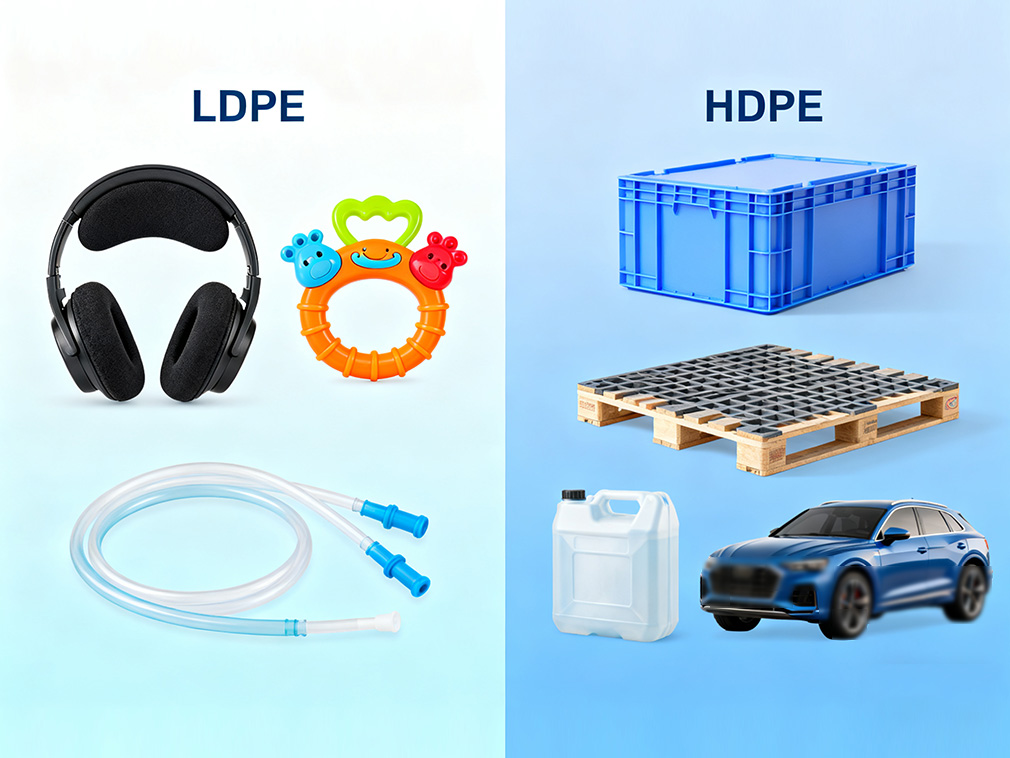
For example, in the consumer electronics sector, many headphone earmuff cushions and smart bracelet wristbands are made of LDPE. Its delicate touch effectively enhances wearing comfort, while its excellent weather resistance prevents aging and hardening after long-term use.
In the consumer goods sector, LDPE is also a preferred material for soft components in children's toys, such as teethers and doll joints. Not only does it meet safety and non-toxicity requirements, but its elasticity also buffers external forces, preventing injuries to children during use.
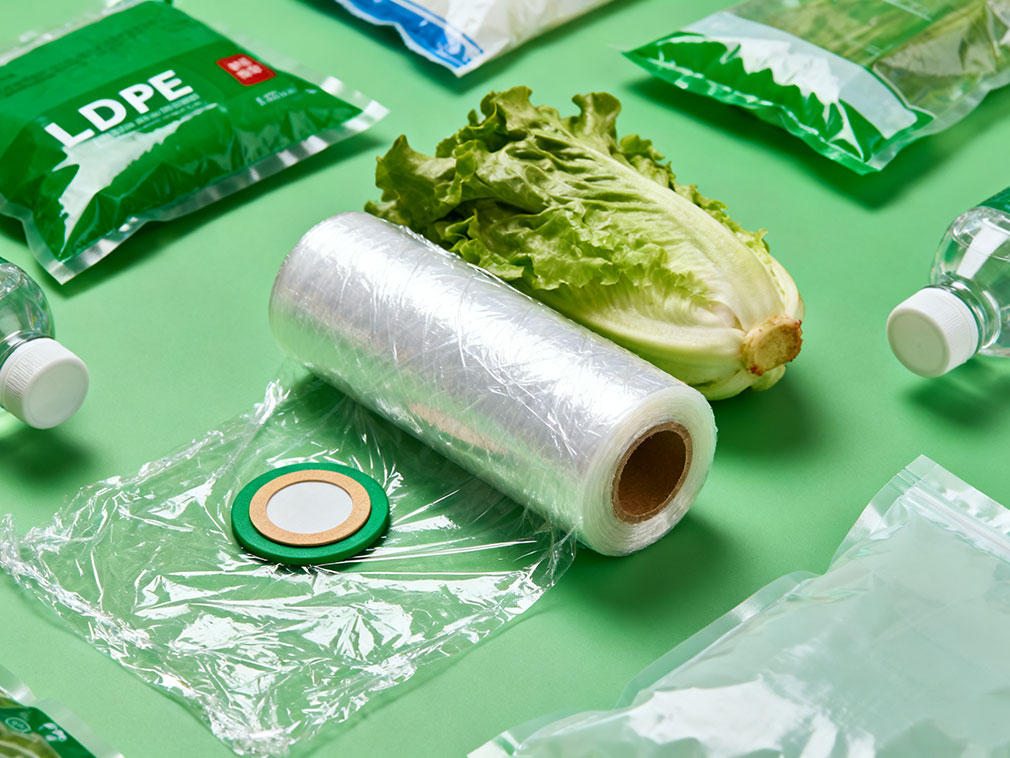
LDPE's flexibility also plays a vital role in packaging and containers. Besides its common role as a gasket in bottle caps—its excellent sealing properties effectively prevent liquid or gas leakage, ensuring product shelf life—LDPE is also widely used in the production of flexible packaging films.
In the food industry, plastic wrap for fresh food and outer packaging for frozen foods are often made of LDPE. It adheres tightly to the food surface, isolating it from bacteria and oxygen, and exhibits excellent low-temperature resistance, making it resistant to cracking in freezing environments. In the chemical industry, LDPE is also commonly used in small solvent packaging bags. Its chemical resistance prevents reactions between the solvent and the packaging material, ensuring product safety.
The medical field is a key area for LDPE applications, particularly in the manufacture of medical catheters. Medical catheters are in long-term contact with human tissue, placing extremely high demands on the material's biocompatibility, flexibility, and sterilization resistance. LDPE not only meets biocompatibility standards to avoid rejection, but its excellent flexibility also allows the catheter to better conform to the curves of the organ during insertion, minimizing damage.
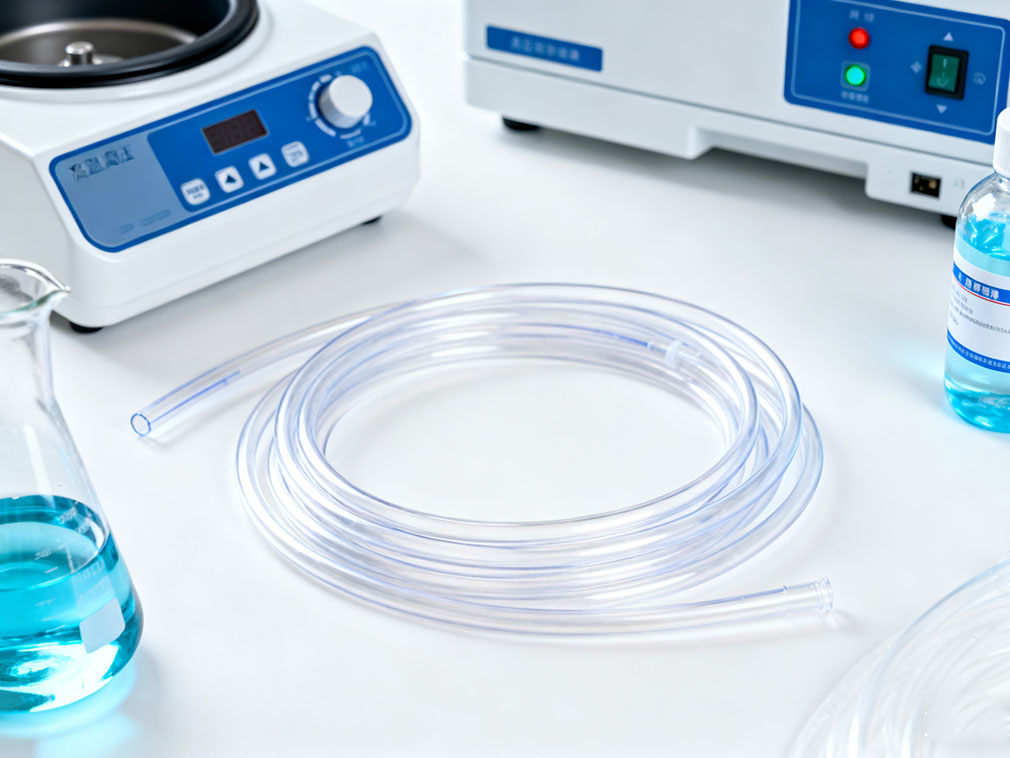
LDPE also exhibits excellent sterilization resistance, withstanding various sterilization methods, including high-temperature and high-pressure sterilization and immersion in chemical disinfectants. This ensures the sterility of the catheter before reuse or single-use, effectively reducing the risk of medical infection.
Unlike LDPE, HDPE has a low degree of molecular chain branching and a tightly packed, regular molecular arrangement. This gives it higher density, hardness, and strength, as well as excellent impact and chemical resistance, making it an ideal material for rigid product manufacturing. In logistics and warehousing, rigid boxes and industrial pallets made of HDPE are widely used.
Rigid boxes, with their high strength and impact resistance, effectively protect the goods inside during transportation, resisting deformation and damage even from collisions and crushing. Industrial pallets, leveraging HDPE's wear and aging resistance, can withstand long-term use in harsh environments such as humidity, acidity, and alkalinity. Their light weight makes them easy to handle and stack, significantly improving logistics and warehousing efficiency.
Pipe systems are another important application area for HDPE, particularly in municipal engineering, chemical transportation, and agricultural irrigation. HDPE pipes offer excellent chemical resistance and can transport a variety of corrosive media, including acidic and alkaline solutions and organic solvents, without the risk of aging or leakage caused by these media.
Its excellent flexibility and impact resistance allow it to adapt to complex terrain during installation, and it is not susceptible to breakage even in the event of natural disasters such as ground subsidence or earthquakes. Furthermore, HDPE pipes offer easy connection and excellent sealing properties, effectively reducing the risk of leaks and lowering maintenance costs, making them an ideal alternative to traditional metal and concrete pipes.
In the automotive industry, HDPE fuel tanks demonstrate significant advantages. Fuel tanks require high strength, impact resistance, and fuel corrosion resistance. HDPE not only meets these requirements but can also be injection-molded into complex shapes to better fit within the vehicle chassis.
Furthermore, HDPE's light weight can effectively reduce vehicle weight and fuel consumption, aligning with the automotive industry's trend toward lightweighting. Furthermore, HDPE fuel tanks exhibit excellent low-temperature resistance, preventing them from becoming brittle or cracking when used in cold regions, ensuring their safety and longevity.
Although LDPE and HDPE are less commonly used in hardware, bolts, nuts, and other fasteners—products that require extremely high strength, hardness, and wear resistance, aspects for which metals offer greater advantages—they demonstrate common advantages in sealing solutions, protective coverings, and lightweight electronic component manufacturing, making them excellent choices in these areas.
In sealing solutions, in addition to the commonly used gaskets for LDPE, HDPE can also be used to manufacture sealing covers and rings for large equipment. Its high strength and sealing properties effectively prevent leakage of liquids or gases within the equipment, ensuring proper operation.
In the protective covering sector, both LDPE and HDPE can be made into products such as protective films and covers for electronic equipment and mechanical parts, protecting them from dust, scratches, and corrosion during storage and transportation.
In lightweight electronic component manufacturing, both can be used to manufacture components such as electronic device housings and internal brackets, leveraging their lightweight properties to reduce weight while ensuring electrical safety through their excellent insulation properties.
Our platform connects hundreds of verified Chinese chemical suppliers with buyers worldwide, promoting transparent transactions, better business opportunities, and high-value partnerships. Whether you are looking for bulk commodities, specialty chemicals, or customized procurement services, TDD-Global is trustworthy to be your fist choice.












