PET Safety: No Plasticizers Needed in Food Packaging
PET (polyethylene terephthalate), a widely used polymer material, has a polymer structure fundamentally different from other common plastics such as PVC and PE. This structural characteristic allows PET to be produced without the need for certain additives required in other plastics, thus demonstrating significant safety advantages in food packaging, drinking water containers, and other fields. The most representative example is the issue of plasticizers—which precisely reflects the safety value inherent in the PET structure itself.
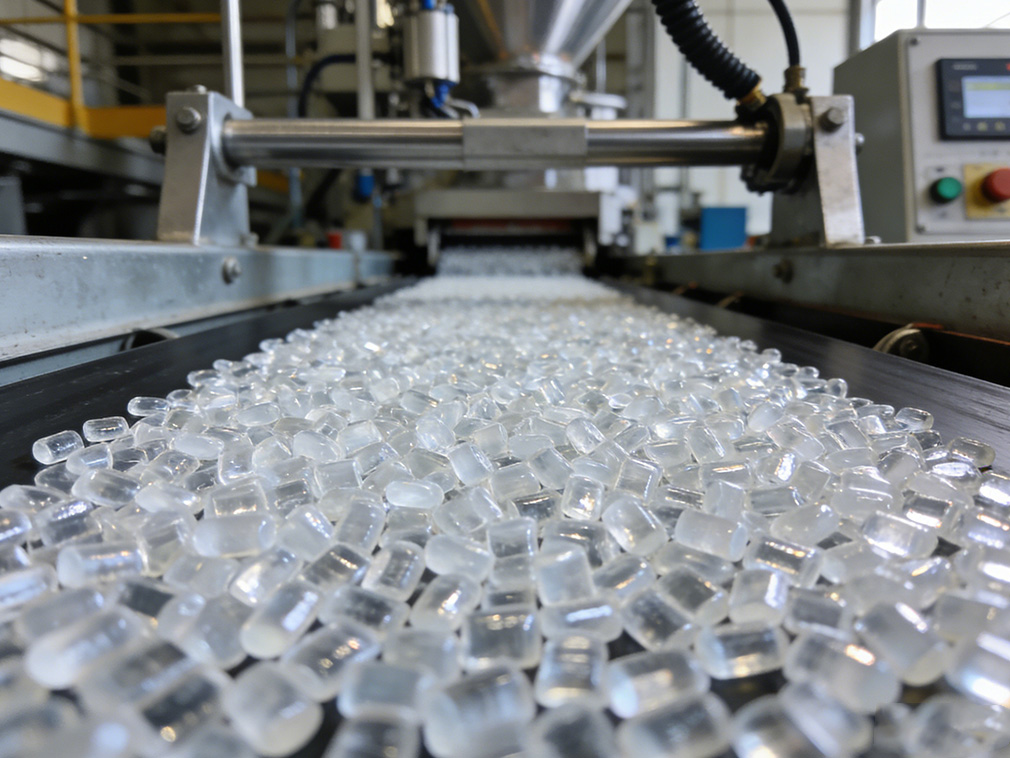
In recent years, food safety regulatory reports from multiple regions have shown abnormal levels of plasticizers in some edible oils and bottled beverages, raising widespread public concerns about the migration of chemicals from packaging materials.
Plasticizers (such as common phthalates) are mainly used to enhance the flexibility and plasticity of plastics, but they do not form stable chemical bonds with plastic molecules and can easily migrate into food or beverages during use. Long-term intake may interfere with the health of the human endocrine and reproductive systems, thus remaining a key focus of food safety regulation.
However, from a materials science perspective, food-grade PET bottles that meet national standards—i.e., products marked with a triangle "1"—do not require the addition of plasticizers during the production process.
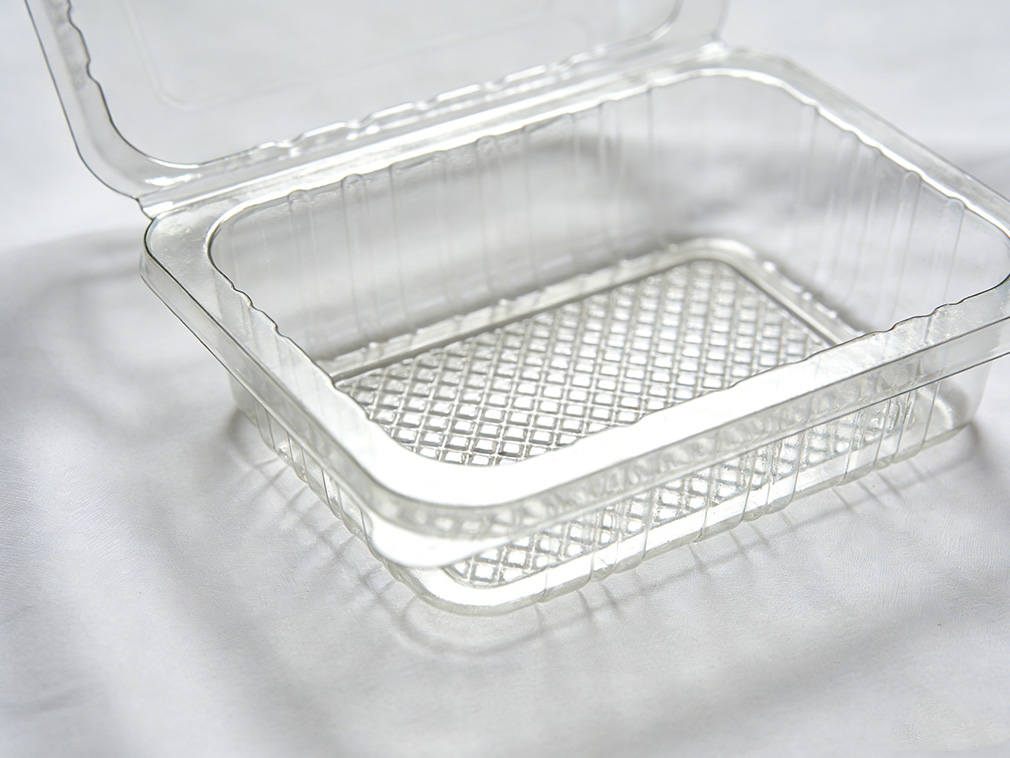
The reason lies in PET's unique molecular structure and aggregation state: its molecular chains are formed by the condensation polymerization of terephthalic acid and ethylene glycol, exhibiting strong regularity and easily forming a semi-crystalline state.
This crystalline structure gives PET excellent rigidity, toughness, and transparency, eliminating the need for plasticizers to improve its mechanical properties. In contrast, PVC (polyvinyl chloride) has strong intermolecular forces, making it hard and brittle, requiring large amounts of plasticizers to achieve processability and flexibility, thus becoming a major source of plasticizer migration risk.
Currently, China's National Food Safety Standard for Plastic Materials and Products for Food Contact (GB 4806.7-2016) and authoritative domestic and international organizations such as the EU's EFSA clearly stipulate that food-grade PET must not contain plasticizers and sets strict limits on their migration.
Actual testing also shows that qualified PET packaging almost never has plasticizer exceeding the limit, which essentially avoids such safety hazards and provides reliable protection for food packaging.
Besides not requiring plasticizers, PET's thermal stability also frees it from reliance on heavy metal heat stabilizers, another major advantage that distinguishes it from plastics like PVC. Heat stabilizers are primarily used to prevent plastics from degrading and discoloring during high-temperature processing.
PVC easily releases hydrogen chloride when heated, leading to chain degradation. Therefore, it is necessary to add heavy metal salts such as lead and cadmium, or organotin stabilizers. However, these substances are toxic and could harm health if they migrate into food.
PET's thermal decomposition temperature is above 300℃, while the conventional processing temperature is only 260–280℃. Under normal processing conditions, PET's molecular structure is stable and not easily degraded.
Therefore, heavy metal heat stabilizers are unnecessary; only a small amount of antioxidant is needed, along with a strict drying process to remove moisture from the raw materials and prevent hydrolysis. This not only reduces production costs but also eliminates the risk of heavy metal migration at the source, further enhancing material safety.
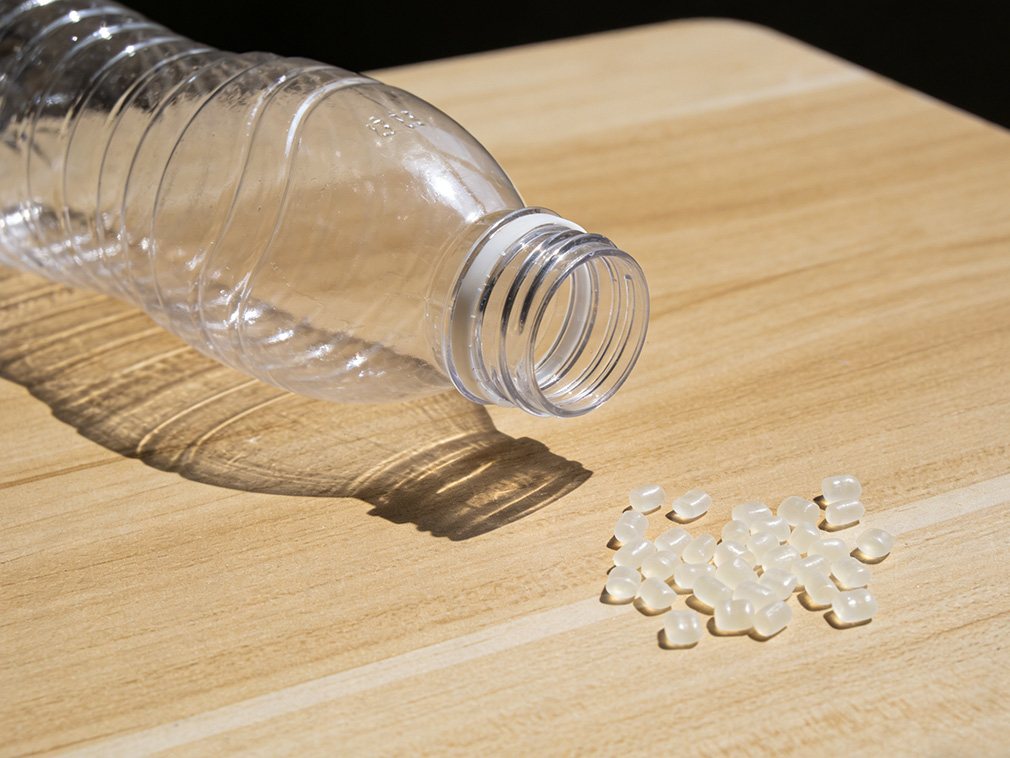
With increasing public concern for food safety and environmental protection, the structural advantages of PET are becoming increasingly prominent. Currently, it is widely used in drinking water, beverages, edible oils, canned goods, and pharmaceutical and cosmetic packaging. Industry data shows that global demand for food-grade PET packaging continues to grow, thanks to its characteristics of "few additives and high safety," which aligns perfectly with modern health-conscious consumption trends.
It's important to note that while PET itself doesn't rely on harmful additives, some substandard products on the market are often due to the use of recycled materials or non-standard production processes.
Therefore, consumers are advised to pay attention to the "1" mark and relevant safety certifications on the packaging when purchasing PET products. Choosing products from reputable manufacturers is crucial to truly leveraging the safety advantages of PET packaging and protecting your health.
Overall, the polymer structure of PET determines its unique characteristics regarding additive use, making it stand out among many plastic materials and a safe and reliable choice for food packaging.
Our platform connects hundreds of verified Chinese chemical suppliers with buyers worldwide, promoting transparent transactions, better business opportunities, and high-value partnerships. Whether you are looking for bulk commodities, specialty chemicals, or customized procurement services, TDD-Global is trustworthy to be your fist choice.