HDPE vs LDPE vs LLDPE: Differences, Properties, and Applications
Polyethylene is one of the most common plastics in modern life, but you may not know that it is actually mainly divided into three categories: high-density polyethylene (HDPE), low-density polyethylene (LDPE), and linear low-density polyethylene (LLDPE). They each have their own characteristics in structure, properties, and applications, collectively supporting their wide range of uses, from everyday consumer goods to industrial products.
High-density polyethylene (HDPE): Strong, durable, and widely used
HDPE, also known as low-pressure polyethylene, is copolymerized from ethylene with a small amount of α-olefins under relatively low pressure. Its molecular chains are almost linear, with few branches, a tightly and regularly arranged structure, and high crystallinity, with a density typically between 0.941 and 0.965 g/cm³.
Therefore, HDPE possesses excellent rigidity, hardness, and mechanical strength, is resistant to chemical corrosion, moisture-proof, heat-resistant, and safe and non-toxic.
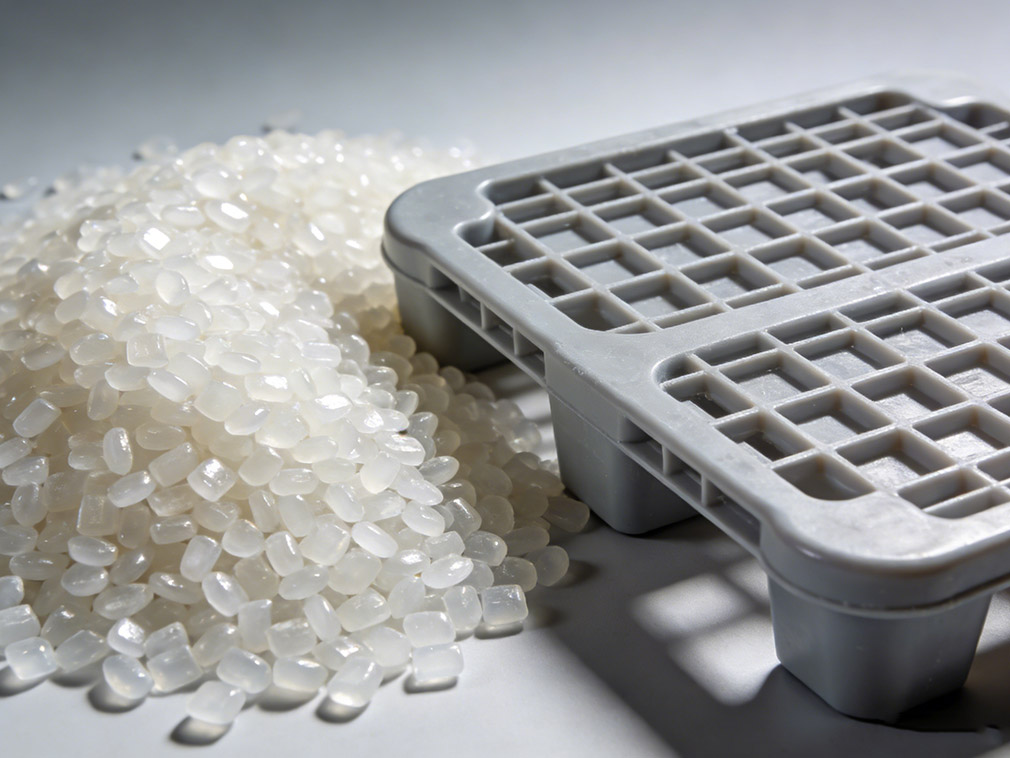
In applications, HDPE can be molded through various methods such as blow molding, injection molding, and extrusion:
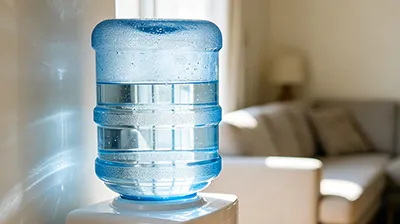
Blow molding is commonly used to make containers such as beverage bottles and chemical drums;
Injection molding can produce daily necessities such as basins, buckets, and toys;
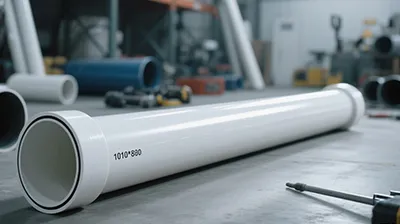
Extrusion is used for products such as water pipes, cable ties, and wire sheaths.
With the addition of inorganic fillers, HDPE can also be made into calcium-plastic boxes, doors, and windows, partially replacing wood and cardboard, making it environmentally friendly and economical.
Low-density polyethylene (LDPE): Soft and easy to process, films are the main product
LDPE, also known as high-density polyethylene, is produced through free radical polymerization under high pressure. Its molecular chains have a large number of branches, are relatively loosely arranged, have low crystallinity, and a density of only 0.910–0.925 g/cm³. Therefore, LDPE is soft, resistant to low temperatures, impact-resistant, has good insulation properties, and is easy to process.
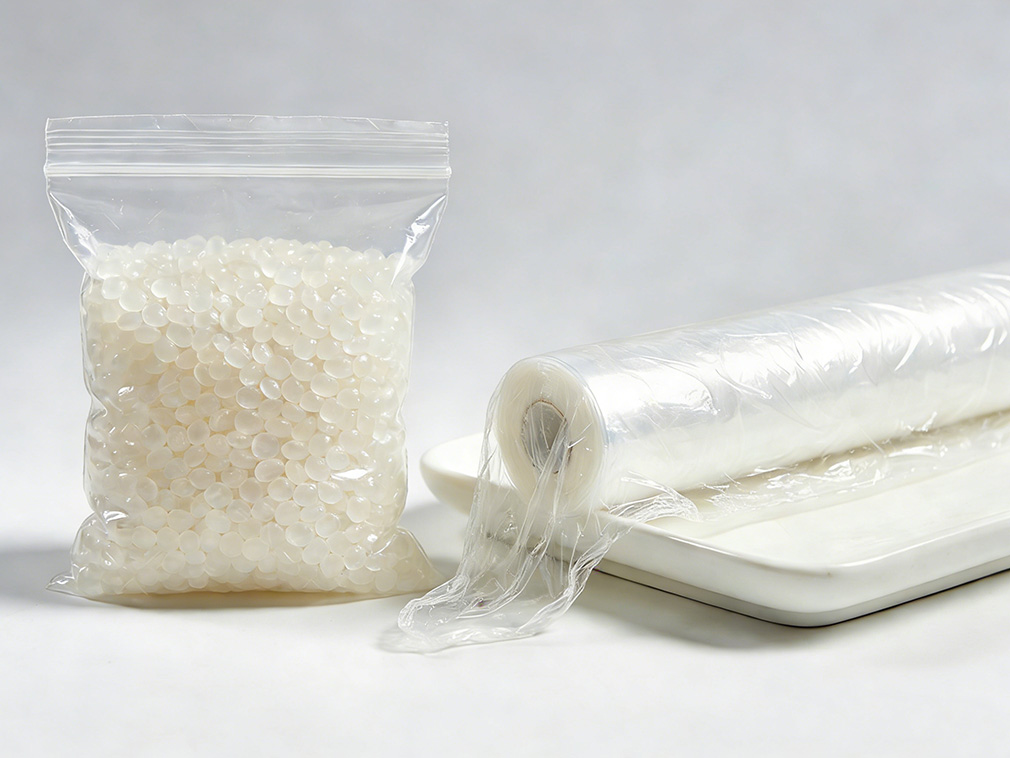
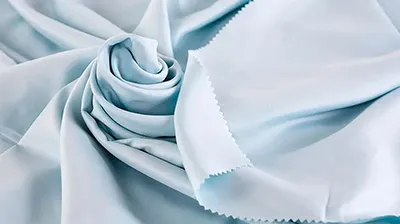
LDPE's largest application area is in various films:
In agriculture, it is used as mulch film and greenhouse film;
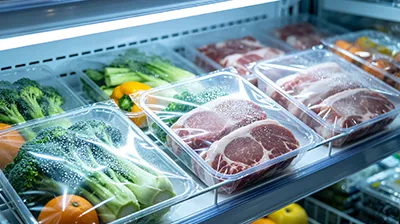
In packaging, it is used for food bags, liquid packaging films, etc.
In addition, it is also commonly used for insulation layers in wires and cables, injection-molded products such as plastic flowers, and medical devices.
Linear Low-Density Polyethylene (LLDPE): Balanced Performance, Preferred for Films
LLDPE is a copolymer of ethylene and α-olefins (such as butene and octene). Its molecular chains are linear but have short branches, and its density is between LDPE and HDPE. It combines the flexibility of LDPE with the rigidity of HDPE, offering tear resistance, stress cracking resistance, a higher melting point, and superior chemical resistance.
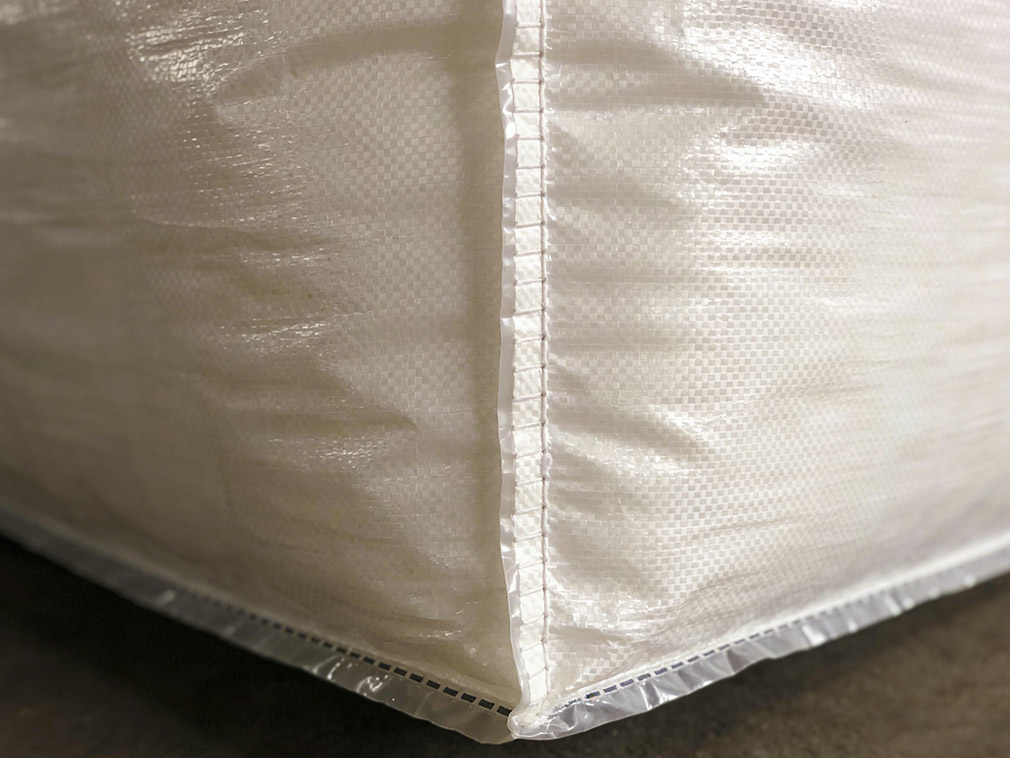
Approximately 65%–70% of LLDPE is used in film manufacturing, either alone or blended with LDPE to improve film toughness. It is also suitable for garbage bags, heavy-duty packaging bags, pipes, and automotive parts, further expanding the application scope of polyethylene.
In summary, HDPE is rigid and corrosion-resistant, suitable for making containers and pipes; LDPE is flexible and moisture-proof, the mainstay of films and packaging; LLDPE offers balanced performance and is often used in high-performance films. Understanding the differences between them can help us better understand the ubiquitous plastics in our daily lives and make informed choices about their use.
Our platform connects hundreds of verified Chinese chemical suppliers with buyers worldwide, promoting transparent transactions, better business opportunities, and high-value partnerships. Whether you are looking for bulk commodities, specialty chemicals, or customized procurement services, TDD-Global is trustworthy to be your fist choice.