
PET Thermoforming: Innovation & Sustainability
In the wave of global packaging industry upgrading, polyethylene terephthalate (PET) is becoming the core material to promote packaging technology innovation with its excellent comprehensive performance and outstanding environmental advantages.
This plastic with high strength, high transparency and excellent chemical resistance has set off a packaging revolution in many fields such as food, medical care, and electronics through the empowerment of thermoforming technology, and has become a key force in industry transformation.
The unique advantages of PET materials have laid a solid foundation for thermoforming technology. Its excellent mechanical strength allows the packaging to withstand extrusion and collision during transportation, and can also achieve thin-wall design to meet the needs of the era of lightweight packaging. The transparency of more than 90% makes the product in the package clearly visible, which enhances consumers' purchasing confidence, especially suitable for display packaging of high-end food and medical products.
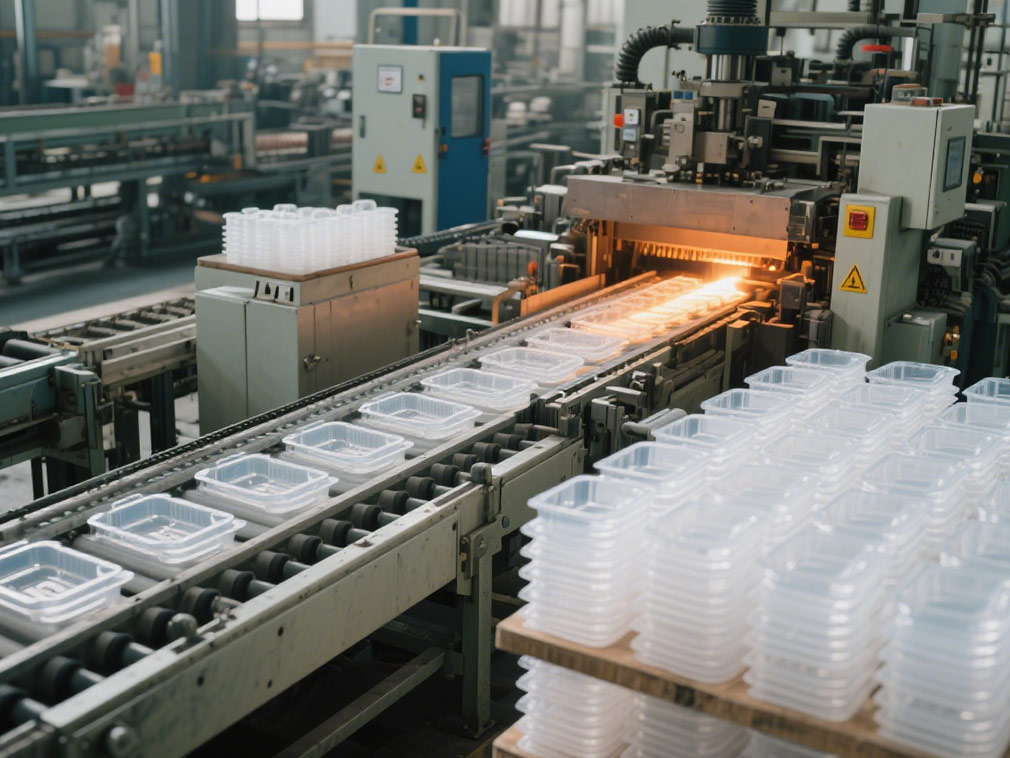
In terms of environmental protection attributes, the recyclability of PET far exceeds that of most plastic materials. Through physical recycling or chemical recycling technology, discarded PET packaging can be converted into recycled raw materials for packaging production, effectively reducing the risk of "white pollution".
The latest data from the European Union shows that the recycling rate of PET packaging has reached 58%, far exceeding other plastic categories, making it the preferred material for brand owners to implement their commitment to sustainable development.
As the "golden partner" of PET materials, the thermoforming process is reshaping the packaging production model with its unique advantages. This process precisely heats the PET sheet to a flexible range of 70-120℃, uses air pressure or mechanical force to make the sheet fit the mold shape, and completes the packaging molding after cooling and shaping.
The entire process can be highly automated. Compared with traditional injection molding, the material utilization rate of the thermoforming process is increased by more than 30%, and the production cycle is shortened by nearly half, which is particularly suitable for large-scale standardized packaging production.
More importantly, the thermoforming process supports a variety of designs from 0.1mm thin walls to 5mm thick walls. It can produce both light and thin trays for snack packaging and high-strength packaging boxes for electronic components. This flexibility makes it a universal solution for multiple industries.
The consumption upgrade in the food and beverage industry has created a huge market space for PET thermoforming packaging. As the pace of life accelerates, the annual growth rate of the ready-to-eat food market remains above 15%, requiring packaging to have good sealing and freshness. PET thermoformed trays can extend the shelf life of food by 2-3 days through precise edge sealing design, while the transparent feature makes it easier for consumers to observe the product status.
In the beverage field, the new PET thermoformed cup adopts a non-slip texture design and a pressure-resistant structure, successfully solving the problem of easy deformation of traditional paper cups, and the usage rate in chain coffee shops has increased to 60%. The trend of healthy eating has also promoted the innovation of PET fresh-keeping boxes. Through the micro-permeable hole design to balance the oxygen content, the freshness of fruits and vegetables can be extended by more than 5 days to meet the storage needs of families.
The strict standards of the healthcare industry highlight the technical advantages of PET thermoformed packaging. Pharmaceutical packaging needs to meet the requirements of sterility, tamper-proof and stability. PET materials can still maintain stable physical properties after gamma ray sterilization, meeting the strict standards of FDA and EMA.
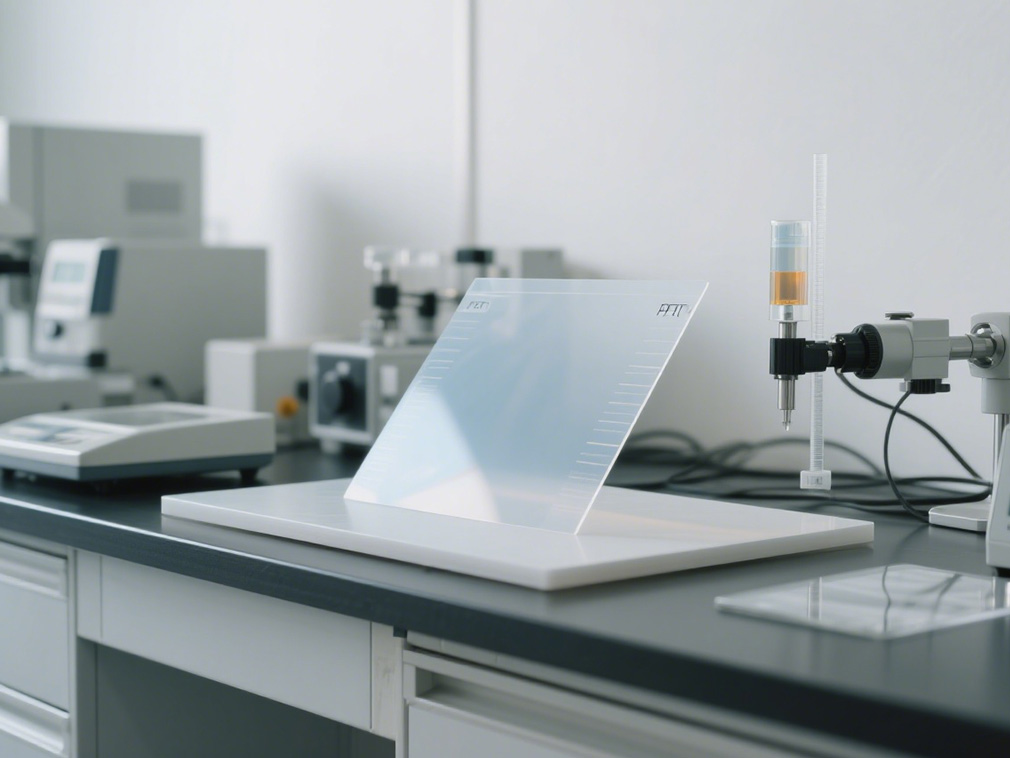
In the field of medical devices, the precise size control of thermoformed trays ensures that surgical instruments remain in a fixed position during sterilization and transportation to avoid collision damage. Anti-tampering design is the key to medical packaging.
PET thermoforming packaging can clearly show whether the packaging has been opened through special tear lines and sealing structures, effectively ensuring the safety of drugs. Data show that the defective rate of medical devices using PET thermoforming packaging is 40% lower than that of traditional packaging, which significantly improves the quality of medical services.
Despite the positive development trend, the PET thermoforming industry still faces dual challenges. The fluctuation of raw material prices has always been an unresolved problem. The price of PET resin fluctuates cyclically due to the influence of international oil prices. The price volatility will reach 25% in 2023, which will bring huge cost pressure to production companies.
The unstable supply chain has exacerbated this problem. Geopolitical conflicts have led to interruptions in the supply of PET raw materials in some regions, and companies have to establish multiple procurement channels to cope with risks.
The high threshold for equipment investment restricts the technological upgrading of small and medium-sized enterprises. The initial investment of a fully automatic thermoforming production line requires 5-20 million yuan, which makes many small packaging companies discouraged, resulting in a polarized market.
These challenges are being gradually resolved through technological innovation and model innovation. In the field of equipment, the popularity of intelligent thermoforming production lines has greatly reduced operating costs.
Equipment equipped with AI visual inspection systems can identify packaging defects in real time, reducing the scrap rate to less than 0.5%; the application of servo drive technology has reduced energy consumption by 20% and increased production efficiency by 15%.
In terms of material innovation, breakthroughs have been made in the research and development of bio-based PET. PET raw materials produced by fermentation of plant starch have been commercialized, and the carbon footprint is 35% lower than that of traditional PET.
The progress of recycling technology is even more revolutionary. The chemical depolymerization process can completely decompose waste PET into monomer raw materials with a purity of 99.9%, achieving unlimited recycling. Currently, the commercial production line of this technology in Europe has been put into operation.
The wave of sustainable development is bringing structural opportunities to the industry. Environmental protection regulations issued by countries around the world have clearly required that the packaging recycling rate reach 80% by 2030, which will drive brand owners to accelerate the adoption of recyclable PET packaging. The awakening of consumers' environmental awareness has also changed market choices.
Surveys show that 72% of consumers are willing to pay a 5%-10% premium for environmentally friendly packaging, which has prompted food companies to accelerate the replacement of traditional packaging materials. Policy support continues to increase.
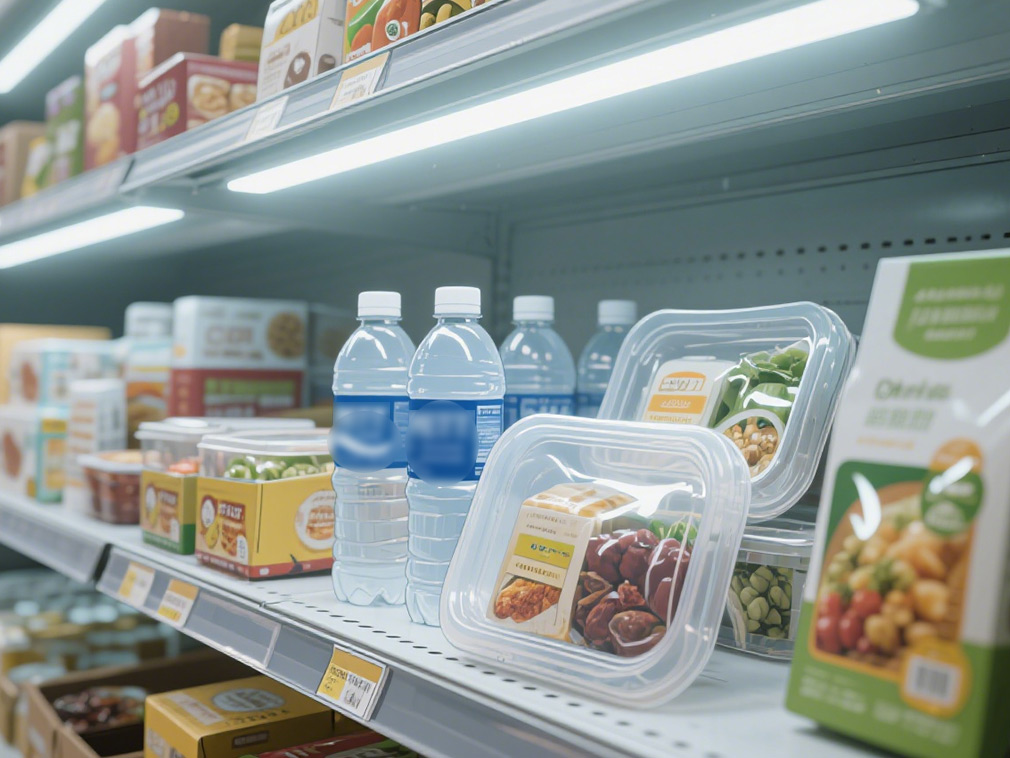
Many governments provide tax incentives to companies that use recycled PET, and the EU's circular economy fund specifically supports the research and development of PET recycling technology. Driven by these factors, the global PET thermoforming packaging market is expected to exceed US$30 billion in 2025, with an annual compound growth rate of more than 8%.
The innovative evolution of PET thermoforming technology is not only changing the ecological landscape of the packaging industry, but also reshaping the path to sustainable development. With the breakthrough of material technology and the improvement of process level, PET thermoforming packaging is transforming from a simple product container to a functional carrier.
In the future, it is expected to integrate innovative functions such as smart labels and antibacterial coatings to provide more comprehensive solutions for various industries. In the context of green development becoming a global consensus, the PET thermoforming industry will play a more core role in the transformation and upgrading of the packaging industry with its unique advantages of recyclable materials and high-efficiency processes.
Our platform connects hundreds of verified Chinese chemical suppliers with buyers worldwide, promoting transparent transactions, better business opportunities, and high-value partnerships. Whether you are looking for bulk commodities, specialty chemicals, or customized procurement services, TDD-Global is trustworthy to be your fist choice.












