PP: Key Traits in Industrial Use
Polypropylene (PP) is a "star player" among the five major general-purpose plastics! It can be seen everywhere in industrial production, daily necessities manufacturing, and electronic appliances.
Why is PP so popular? It has to start with its "special skills" - flammable, high temperature resistant, waterproof, and not afraid of cracking caused by environmental pressure. These characteristics not only define its scope of application, but also force industry experts to constantly find ways to improve it so that it can be used in more places.
Extremely flammable: Combustion characteristics determined by molecular structure
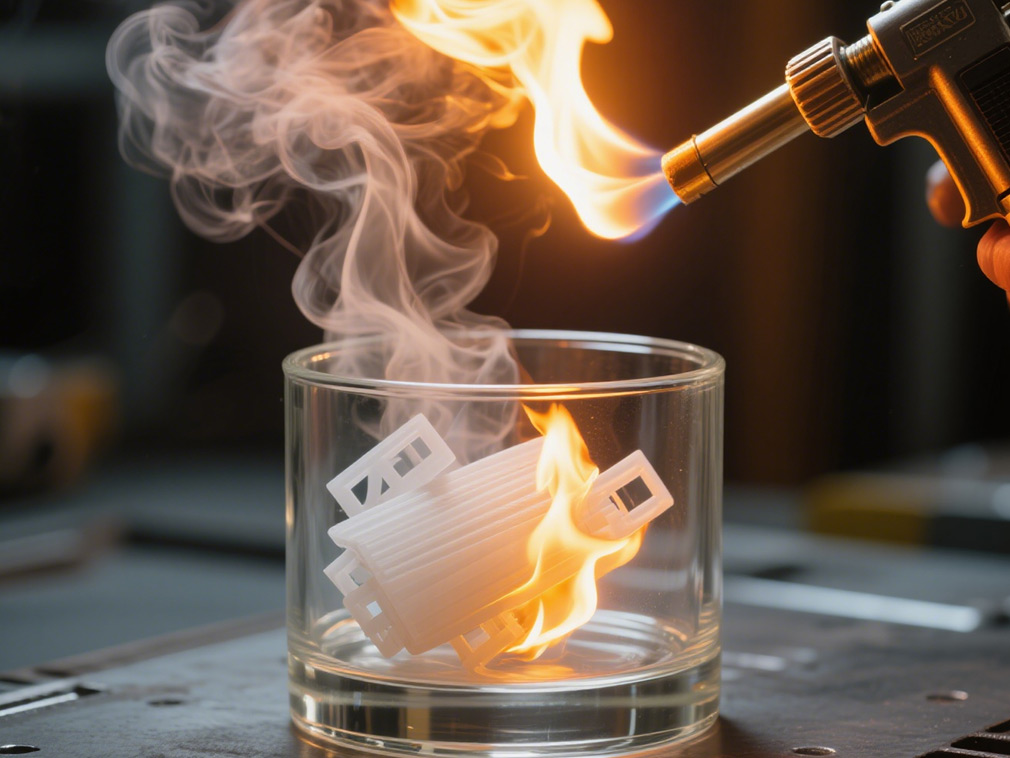
The extremely flammable properties of PP are closely related to its molecular structure. As a thermoplastic plastic polymerized from propylene monomers, its molecular chain is mainly composed of carbon and hydrogen elements. Although it has high chemical stability, the bond energy of carbon-hydrogen bonds is low and it is easy to break under high temperature or open flames.
When PP comes into contact with a fire source, it will burn rapidly as long as it reaches an ignition temperature of about 570°C. A large amount of heat is released during the combustion process. The flame is blue and accompanied by molten dripping. This will not only accelerate the spread of the fire, but the dripping molten material may also cause secondary combustion, posing a challenge to fire safety.
In practical applications, this characteristic imposes strict restrictions on the use scenarios of PP. For example, in areas such as building materials and home appliance housings that require flame retardancy, unmodified PP is difficult to apply directly.
To this end, the industry modifies PP by adding flame retardants (such as bromine and phosphorus compounds), effectively improving its flame retardant grade and expanding its application range by inhibiting the generation of free radicals in the combustion reaction or forming a flame retardant coating to isolate oxygen.
High temperature stability and waterproofness: Performance persistence in humid environments
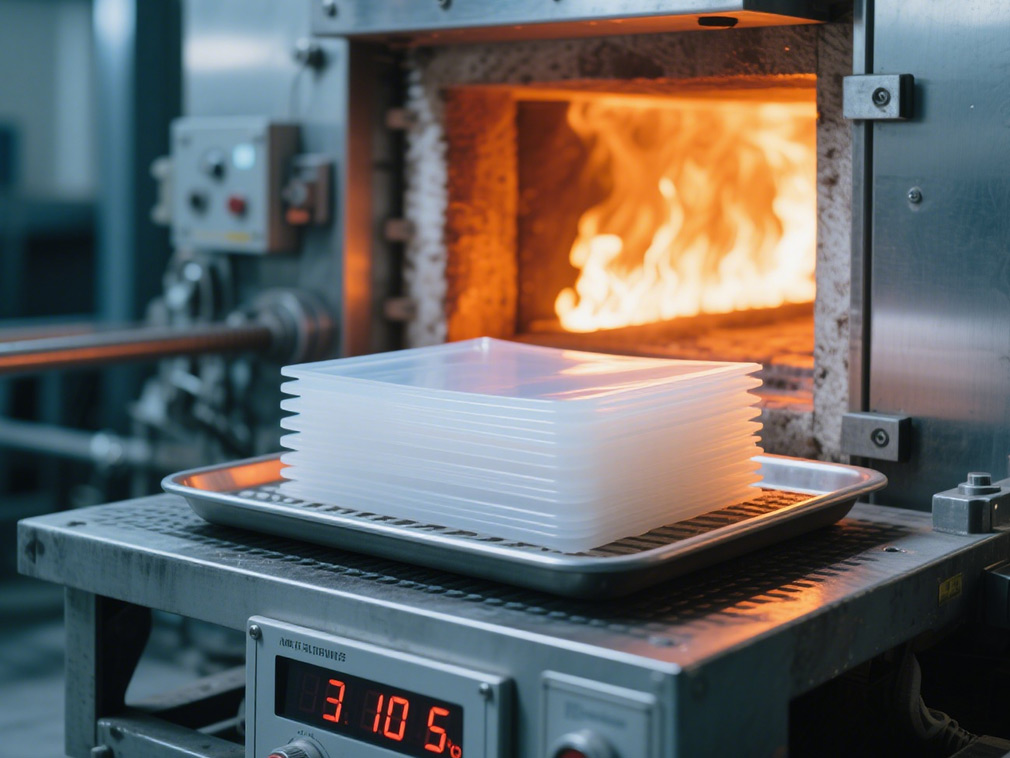
In sharp contrast to flammability, PP exhibits excellent mechanical and electrical performance stability in high temperature environments, especially in humid or underwater environments. This characteristic originates from the crystalline structure of PP - the crystalline areas formed by the regular arrangement of its molecular chains give the material high heat resistance, and the continuous use temperature can reach about 100°C, and the short-term use temperature can even reach 120°C.
At high temperatures, PP is not easy to soften or deform, and the mechanical strength (such as tensile strength and impact strength) retention rate is high, which makes it reliable in high-temperature working conditions such as hot water pipes and automobile engine peripheral parts.
More noteworthy is its performance in humid environments. PP is a non-polar polymer material with no polar groups in the molecular chain, so it has extremely strong waterproofness and water resistance. It is difficult for water molecules to penetrate its molecular structure.
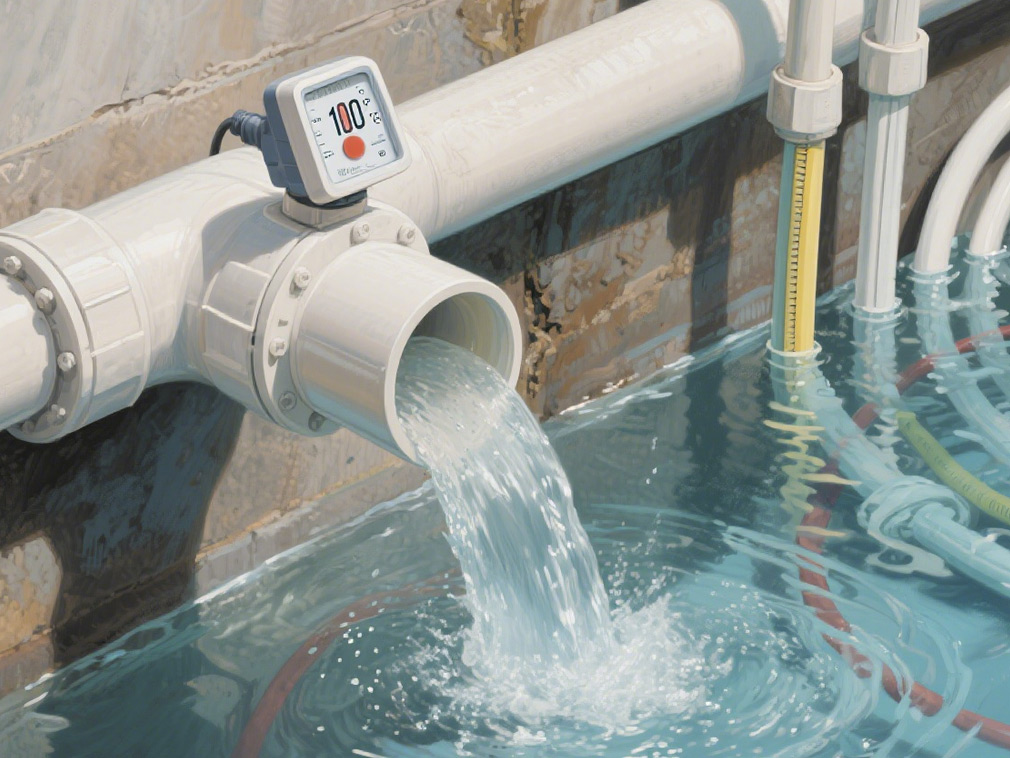
Even if it is immersed in water for a long time, the water absorption rate of the material is still less than 0.01%, and there is almost no swelling or performance degradation. This characteristic makes it shine in the field of electrical insulation - in a humid environment, the electrical properties of PP such as volume resistivity and dielectric strength are almost unaffected, making it an ideal material for the insulation layer of wires and cables and the housing of outdoor electrical equipment.
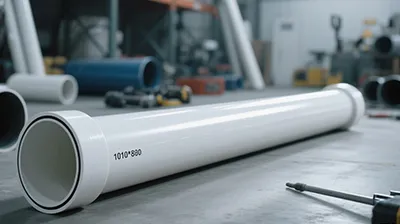
In addition, in water conservancy projects, agricultural irrigation pipelines and other scenarios, PP pipes can withstand both water flow impact and long-term erosion of groundwater, and their service life far exceeds that of traditional metal pipes.
Environmental stress cracking resistance: Durable guarantee under complex working conditions
Environmental stress cracking is a common failure problem faced by plastic materials in practical applications. It refers to the phenomenon that cracks are generated on the surface or inside the material and gradually expand under the combined action of mechanical stress and specific environmental media (such as chemicals, humidity, and temperature changes).
PP, with its unique molecular structure, exhibits excellent environmental stress cracking resistance, which greatly improves its durability under complex working conditions.
PP's environmental stress cracking resistance is closely related to the flexibility and crystal morphology of its molecular chain. There are a certain number of branched structures in its molecular chain, which can effectively disperse stress concentration and reduce the possibility of crack initiation; at the same time, the higher degree of crystallinity and uniform grain distribution enhance the material's internal resistance to crack expansion.
Compared with plastics such as polyethylene (PE) that are prone to stress cracking, PP is not prone to cracking or rupture when exposed to detergents, oils, organic solvents and other media, even if it is subjected to certain mechanical stress (such as pipeline installation stress and container internal pressure).
This performance is of great value in the industrial field. For example, in the chemical industry, storage tanks and transportation pipelines made of PP need to be in contact with acid and alkali solutions for a long time, and at the same time withstand internal pressure.
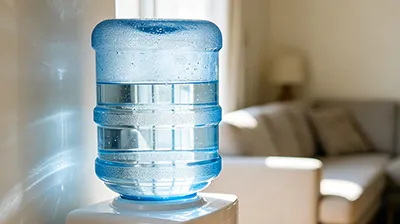
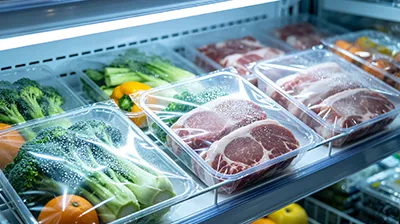
Its resistance to environmental stress cracking can ensure that the equipment can operate stably for a long time under the dual effects of stress and chemical media; in the field of food packaging, when PP containers contain oily foods, they can resist the penetration of oil and fat, and withstand the extrusion stress during packaging and transportation to avoid cracking and leakage.
In addition, in the field of architectural decoration, when PP sheets are used for outdoor decoration, they can simultaneously resist the temperature stress and rain erosion caused by climate change, reduce the risk of cracking and deformation, and significantly reduce maintenance costs.
From the safety considerations of flammability to the performance adherence in high temperature and humid environments, to the durable guarantee of resistance to environmental stress cracking, these core properties of PP have jointly shaped its unique position in modern industry.
Through targeted modification and reasonable application design, PP continues to break through performance boundaries, while balancing safety, reliability and economy, and continues to provide efficient solutions for the fields of construction, electronics, chemicals, daily necessities, etc.
Our platform connects hundreds of verified Chinese chemical suppliers with buyers worldwide, promoting transparent transactions, better business opportunities, and high-value partnerships. Whether you are looking for bulk commodities, specialty chemicals, or customized procurement services, TDD-Global is trustworthy to be your fist choice.