PET vs PBT: Key Differences, Applications, and Material Selection
In the selection of engineering plastics, PET (polyethylene terephthalate) and PBT (polybutylene terephthalate) are often confused due to their similar names and chemical structures. However, in large-scale production and end-use applications, the performance differences between these two polyester materials determine their suitability for completely different industrial scenarios.
I. Fundamental Differences in Chemical Structure
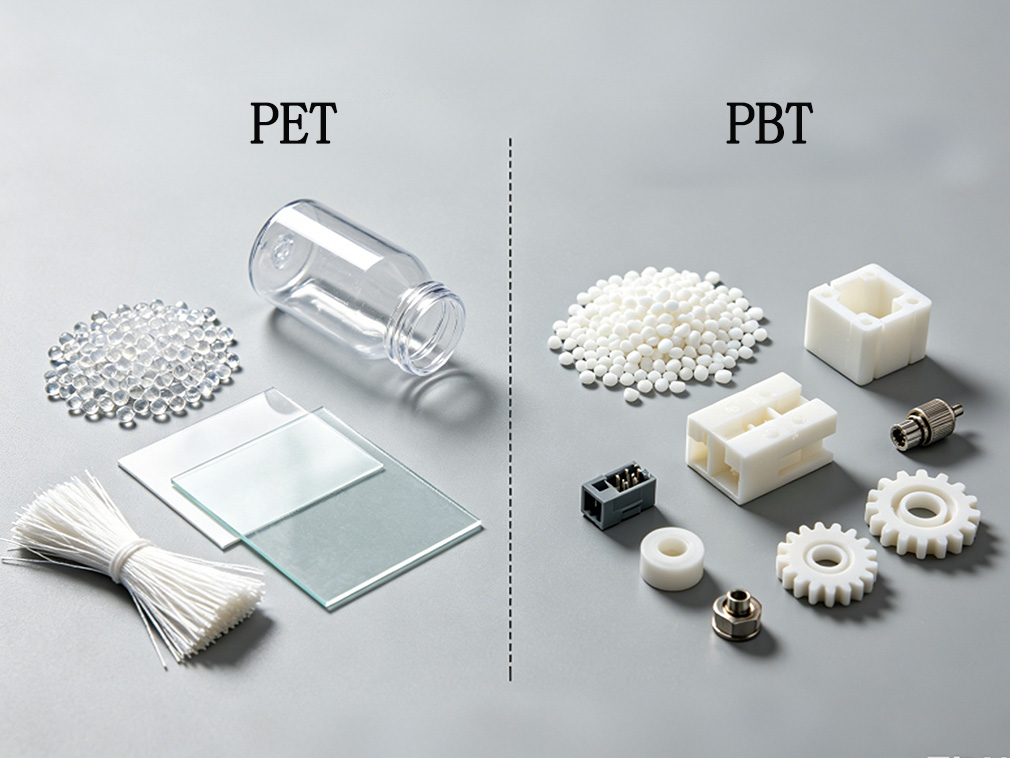
Both PET and PBT share terephthalic acid as their common monomer component. The difference lies in the length of the glycol chain segments. PET is formed by the condensation polymerization of terephthalic acid and ethylene glycol. The repeating unit glycol chain segments contain only two methylene groups, resulting in a rigid molecular chain with limited conformational changes. PBT is obtained by the polymerization of terephthalic acid and 1,4-butanediol.
The glycol carbon chain is extended to four methylene groups, giving the molecular chain greater flexibility and mobility. It is this difference in chain segment flexibility that causes significant differences in crystallization kinetics, thermodynamic behavior, and macroscopic mechanical response, and is not merely a difference of one letter in the name.
II. Crystallization Behavior Determines Molding Efficiency and Optical Properties
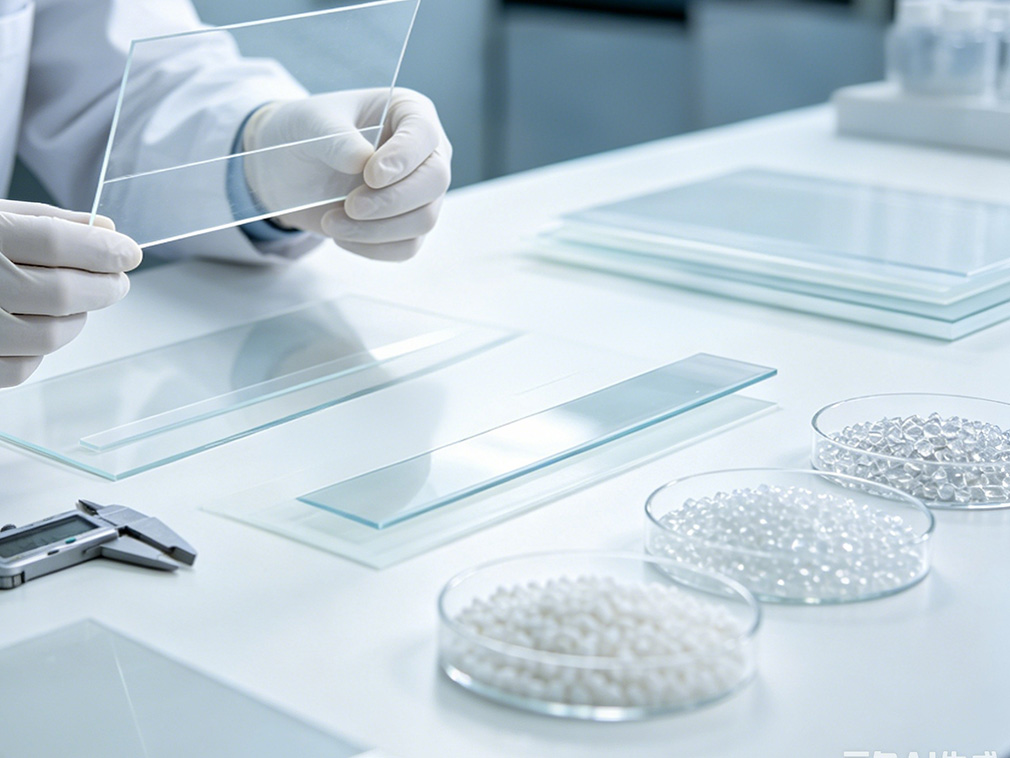
PET, due to its high chain segment rigidity, has a relatively slow crystallization rate. When the melt cools rapidly, the molecular chains do not have enough time to stack neatly, easily forming a metastable amorphous structure, resulting in a macroscopically transparent state. Based on this characteristic, PET is widely used in transparent packaging, films, and preforms; the production of these transparent products generally employs low-temperature cold molding to actively inhibit crystallization.
In contrast, when producing glass fiber reinforced crystalline PET structural parts, to improve crystallinity and control post-molding shrinkage and warpage, the mold often needs to be heated to 120–140℃, along with a longer cooling and holding time. If the mold temperature is insufficient, the product is prone to continuous post-shrinkage and dimensional drift.
PBT's flexible molecular chains make its crystallization rate significantly higher than PET. A mold temperature of only 40–80℃ is sufficient for rapid crystallization and shaping, significantly shortening the molding cycle, making it suitable for large-scale, multi-cavity precision injection molding. Rapid crystallization also brings advantages such as smooth surface finish and high dimensional repeatability, which is particularly crucial for products such as connectors, relay housings, and sensor housings.
III. Trade-offs in Thermal Properties and Boundaries for Engineering Applications
In terms of short-term heat resistance, PET's melting point (approximately 254–258℃) is higher than PBT's (approximately 224–230℃). However, long-term service temperature cannot be determined solely by melting point.
The glass transition temperature (Tg) of amorphous PET is approximately 75℃, while that of amorphous PBT is only approximately 20–25℃, significantly lower than room temperature. Both are semi-crystalline polymers; at room temperature, the amorphous region of PBT is already in a highly elastic state, exhibiting stronger chain segment mobility and superior toughness. However, the continuous crystalline phase within the material provides fundamental rigidity, preventing overall softening and failure due to a Tg below room temperature.
After glass fiber reinforcement modification, the heat distortion temperature (HDT) of both can be significantly increased. At the same glass fiber content, the heat distortion temperature of glass fiber reinforced PET is generally higher than that of reinforced PBT. Some grades of reinforced PBT HDT on the market can exceed 200℃ and have mature applications in automotive electronic control components and medium-to-high temperature electronic environments.
When selecting materials, it is important to note: for continuous high-temperature and long-term creep conditions, prioritize comparing the data of reinforced PET and PBT of the same specifications; do not assume that PBT has better high-temperature dimensional stability.
It is particularly important to note that PET and PBT both belong to the polyester family, and the ester bonds in their molecular backbone are prone to hydrolysis. The hydrolysis rate increases significantly with increasing temperature and humidity. Long-term exposure to humid and hot environments, especially hot water above 60℃ and high-humidity cycling conditions, will gradually degrade their mechanical properties. Therefore, for products that are in prolonged contact with hot water or continuous humid and hot conditions, priority should be given to hydrolysis-resistant modified grades, which is a necessary prerequisite for ensuring a long service life.
IV. Complementary Mechanical Properties and Selection Criteria
Compared to unreinforced pure resin, PET possesses higher tensile strength and flexural modulus, excellent creep resistance, and smaller deformation under long-term continuous load, making it suitable for structural support and load-bearing frames. Pure PET has a relatively low notched impact strength and high notch sensitivity; most load-bearing structural components require toughening modification to optimize crack resistance.
Pure PBT has lower rigidity than PET, but its notched impact toughness is naturally superior—the notched impact strength of PBT in a cantilever beam is approximately 4–6 kJ/m², while that of PET is approximately 2–4 kJ/m². PBT's core advantages lie in its superior fatigue resistance and resistance to repeated bending at both room and low temperatures, and its easier release of molding internal stress. After modification and formulation, PBT can achieve a flexible balance between rigidity and toughness, and is commonly used in gears, clips, fasteners, and elastic connectors.
V. Key Points for Processing Control
PET barrel processing temperatures are typically set at 260–290℃, with a narrow processing window, and it is highly sensitive to trace amounts of moisture. Moisture can induce ester bond hydrolysis at high temperatures, leading to decreased melt strength, silver streaks in the finished product, and increased brittleness. Control standards vary depending on the application: For spinning and high-viscosity, thin-walled, high-end engineering PET, a moisture content of ≤50ppm (0.005%) is typically required; for conventional injection-molded bottle-grade PET, to prevent a decrease in intrinsic viscosity, a moisture content of ≤30–50ppm (0.003%–0.005%) after drying is usually required; for some non-critical modified PETs with less stringent viscosity requirements, this can be relaxed to ≤200ppm (0.02%). Companies should develop corresponding drying specifications based on product grade.
PBT processing temperature range varies with formulation: unreinforced pure resin approximately 235–265℃, while glass fiber reinforced grades can extend to 240–280℃. PBT has excellent melt flowability, requiring lower filling pressure for molding; conventional drying conditions are 120℃ for 3–4 hours. Although PBT is slightly less sensitive to moisture than PET, insufficient drying can still cause appearance defects and mechanical degradation. Strict adherence to the drying process is fundamental to maintaining a stable yield rate.
VI. Application-Specific Material Selection Logic
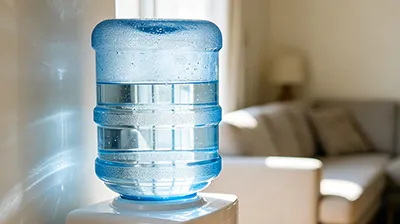
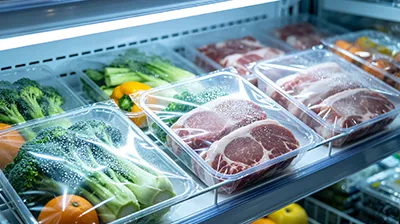
For the international market, material selection should be based on the end-product functional requirements. If the core requirements of the product are high transparency, excellent gas barrier properties, low-cost mass production, and compatibility with mature recycling systems, such as beverage bottles, food packaging, polyester fibers, and transparent sheets, PET is the preferred choice. Current post-consumer PET physical and chemical recycling technologies are mature, and the global supply chain for rPET (recycled PET) is well-established, aligning with the circular economy procurement trend.
If the product prioritizes high molding efficiency, stable dimensional accuracy, excellent fatigue resistance and toughness, and the ability to withstand moderate sustained temperatures, typical applications include automotive electronic connectors, industrial relays, and conventional motor insulation frames. In these cases, reinforced or modified PBT is the mainstream solution.
For thermal management components in new energy vehicles (electronic water pumps, multi-way valves, etc.) and structural components subjected to long-term high temperatures, a comprehensive evaluation considering continuous operating temperature and static creep load is necessary. In some applications, glass fiber reinforced PET exhibits better long-term heat resistance and creep resistance, and PBT should not be the default choice.
Furthermore, PET/PBT blends can balance cost and overall performance, and are widely used in many automotive and home appliance functional components.
VII. Outdoor Weather Resistance and Compliance Considerations
Both PET and PBT base resins have limited UV resistance. Long-term outdoor use can lead to yellowing, surface chalking, and a continuous decline in mechanical properties. For products exported to areas with strong sunlight, it is recommended to add UV absorbers and light stabilizers to the formulation, or to use a protective coating.
Simultaneously, B2B trade requires simultaneous verification of compliance requirements: food contact permits, flame retardant ratings (UL94 V-0), RoHS, REACH, etc., and it is essential to confirm in advance that the selected grades have complete and valid certification documents.
Material selection and process decisions cannot rely on simple analogies based on experience, but must be derived step by step from molecular structure, processing rheological properties, and actual service conditions. Clearly distinguishing the performance differences between PET and PBT can help companies select material solutions that balance reliability and cost competitiveness within the global supply chain system.
Our platform connects hundreds of verified Chinese chemical suppliers with buyers worldwide, promoting transparent transactions, better business opportunities, and high-value partnerships. Whether you are looking for bulk commodities, specialty chemicals, or customized procurement services, TDD-Global is trustworthy to be your fist choice.