Titanium Dioxide: The Invisible Hero of White Pigments
The "All-Round Champion" of White Pigments
In the world of paints and plastics, there's an unseen "invisible hero"—titanium dioxide. You might not know its name, but the white walls, appliance casings, and car paints you see every day all rely on it. It's like an all-round champion in the world of white pigments, far superior to traditional lithopone and zinc oxide. The secret lies in its exceptional "optical strength": a rutile refractive index of approximately 2.7, the highest among all white pigments. This means it's inherently whiter, brighter, and better at covering, while also being remarkably stable, unaffected by temperature or humidity, resulting in beautiful and long-lasting products.
Just a tiny bit is all it takes for perfect coverage
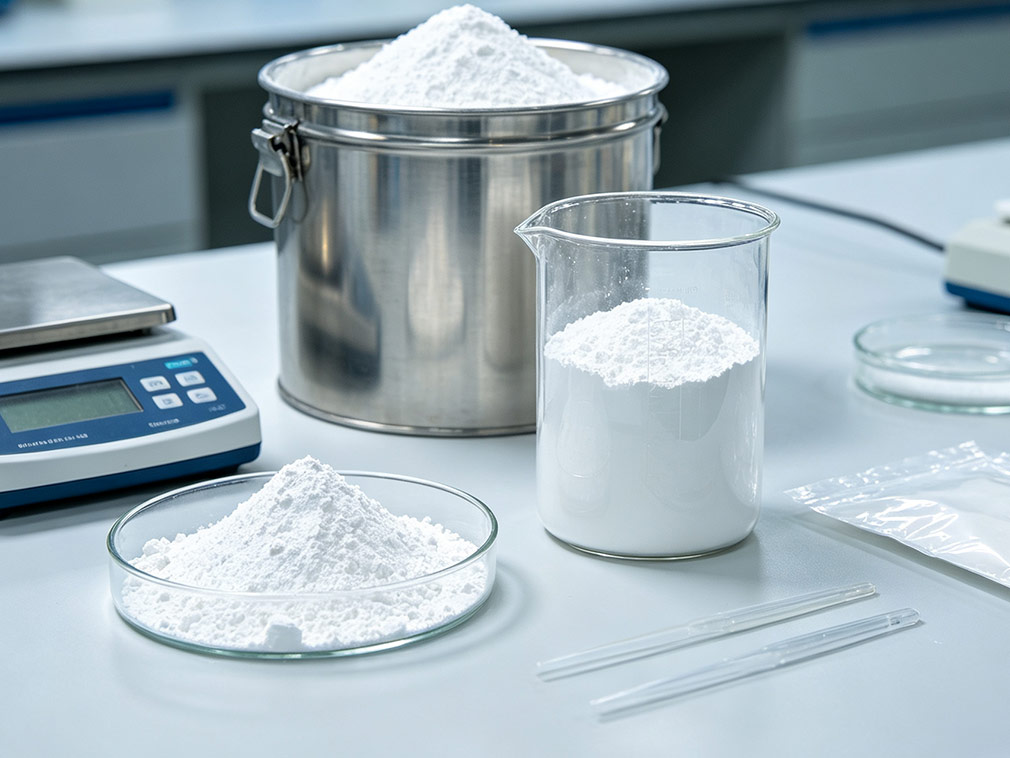
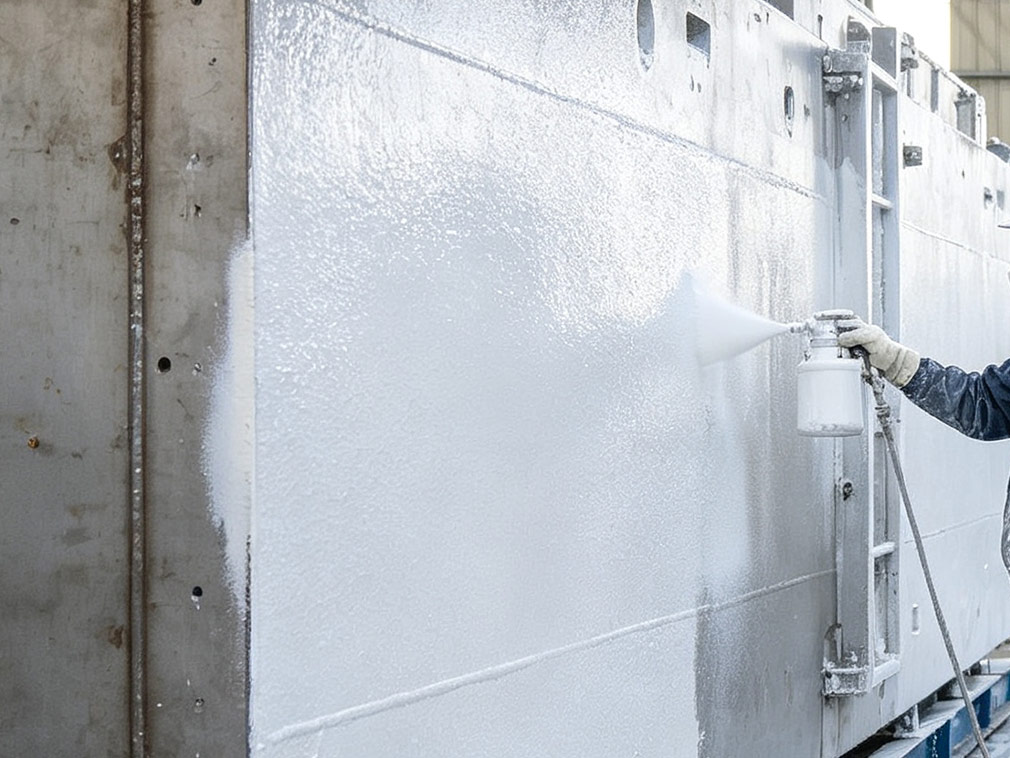
What's the biggest fear in industrial coatings? Applying several coats and still not covering the base color, resulting in an unsightly patchy appearance. Titanium dioxide's forte is its "covering power." Its powder particles are uniform in size and have excellent dispersibility, acting like countless tiny mirrors to efficiently scatter visible light, forming a pure white coating.
Whether it's anti-corrosion coatings, machine topcoats, or architectural coatings, only a small amount needs to be added to easily cover up imperfections and color differences in the substrate, saving much more material than traditional pigments. This not only makes spraying easier, avoiding the embarrassment of exposed substrate and uneven thickness, but also controls raw material costs, making it particularly suitable for standardized large-scale production.
More than just white, it's about pure and lasting brightness
Besides concealing imperfections and whitening, titanium dioxide also acts as a "brightening filter." It significantly enhances the brightness of the surface, sweeping away the dull and gloomy look of traditional pigments, instantly making the product's appearance more refined. Moreover, its chemical properties are quite "neutral": it does not react with air, moisture, or common acids and alkalis at room temperature, only reacting to strong substances like hot concentrated sulfuric acid and hydrofluoric acid.
However, its lasting luster is highly dependent on the choice of crystal form—rutile has low photocatalytic activity, and with long-term use, it neither yellows nor darkens, making it a reliable and stable performer; anatase, on the other hand, is like a lively teenager, easily "overreacting" under ultraviolet light, catalyzing the degradation of surrounding organic matter, leading to chalking and fading. Therefore, it is only suitable for indoor environments away from light, and absolutely unsuitable for outdoor use.
Outdoor or Indoor? Crystal Form Determines Fate
When it comes to outdoor weather resistance, rutile and anatase are worlds apart. Rutile has a dense structure and extremely low photocatalytic activity, producing almost no destructive free radicals under ultraviolet radiation. It can effectively protect the coating resin and plastic substrate, delaying coating chalking, cracking, peeling, and discoloration, making it a true "outdoor sunscreen guardian." Anatase, however, has about 10 times the photocatalytic activity of rutile.
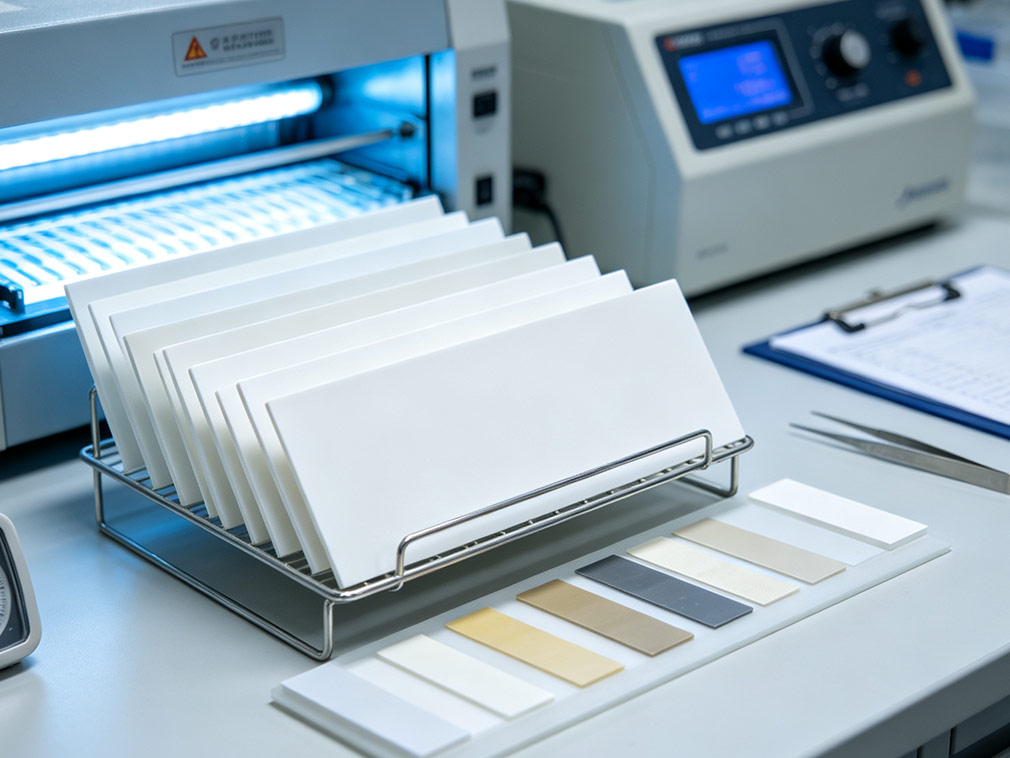
Under ultraviolet light, it releases a large number of hydroxyl free radicals, accelerating the degradation of organic materials. It has weak weather resistance and is prone to chalking and aging, making it only suitable for low-requirement indoor scenarios and absolutely unsuitable for outdoor use. With rutile titanium dioxide, building exteriors, outdoor steel structures, and industrial equipment can withstand intense sunlight, temperature fluctuations, and weathering. Plastic pipes and profiles are also less prone to yellowing and embrittlement, maintaining excellent mechanical properties and appearance.
More Formula-Oriented, More in Line with Green Trends
As technology advances, the coatings and plastics industries have increasingly stringent requirements for raw material compatibility and environmental friendliness, making the comprehensive advantages of titanium dioxide even more apparent. Products modified with surface coatings such as alumina and silica can perfectly integrate into various systems, including water-based, oil-based, and high-solids systems.
They blend seamlessly with substrates like polyethylene and polyvinyl chloride, exhibiting excellent dispersion and smooth processing. Unmodified products, on the other hand, tend to clump together, making them unsuitable for high-end applications. While the unit price may seem higher than calcium carbonate or lithopone, its superior hiding power saves significant amounts of material and greatly improves weather resistance and aging resistance.
In the long run, the overall cost of maintenance and renovation is actually lower. Under the major trend of green and low-carbon development, compliant titanium dioxide is stable and will not release harmful substances under normal use, aligning with the concepts of environmental protection, safety, and long-term effectiveness.
The only concern is the risk of dust inhalation during production and processing; the International Agency for Research on Cancer classifies it as a Group 2B carcinogen (caused by inhalation). Proper dust protection will mitigate this risk. With its comprehensive strengths, titanium dioxide firmly holds the top position among high-performance white pigments, providing robust support for industrial upgrading.
Our platform connects hundreds of verified Chinese chemical suppliers with buyers worldwide, promoting transparent transactions, better business opportunities, and high-value partnerships. Whether you are looking for bulk commodities, specialty chemicals, or customized procurement services, TDD-Global is trustworthy to be your fist choice.