PET vs. PETG: Key Differences and Applications Explained
PET (Polyethylene Terephthalate) and PETG (Polyethylene Terephthalate Glycol) are two thermoplastics commonly used across packaging, medical, and industrial sectors. While both originate from similar base polymers, their properties and performance vary due to differences in composition. PET is highly crystalline, offering excellent tensile strength, barrier performance, and clarity—ideal for beverage bottles and food-grade containers. PETG, modified with glycol, has reduced crystallinity, resulting in enhanced flexibility and impact resistance, making it suitable for thermoforming, signage, and 3D printing. While PET excels in chemical resistance and long-term packaging stability, PETG offers easier processability and toughness for dynamic applications. At TDD-global, we supply both PET and PETG resins tailored to customer-specific needs, supporting industries in making informed choices based on mechanical, optical, and processing requirements. Understanding the distinctions between PET and PETG is critical when selecting the optimal material for performance, cost-efficiency, and end-use application.
Understanding the Differences Between PET and PETG — with Support from TDD-global
Polyester-based polymers like PET and PETG have become indispensable in packaging, medical components, and display manufacturing. Although both materials stem from the same family—Polyethylene Terephthalate—their performance profiles differ significantly due to subtle variations in molecular structure. For professionals choosing between the two, the right decision depends on application-specific requirements. TDD-global supports global clients by supplying reliable PET and PETG resins, offering guidance on selecting the appropriate material for optimal functionality.
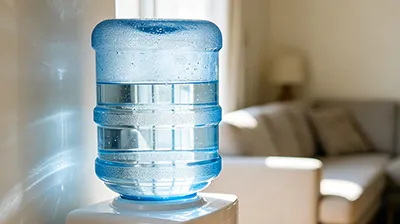
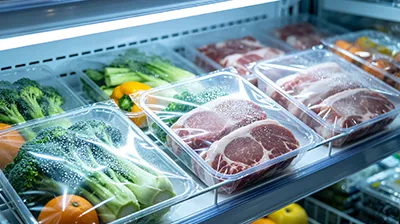
PET, or Polyethylene Terephthalate, is a rigid, high-strength thermoplastic known for its superior clarity and outstanding barrier properties. Commonly used in food-grade packaging and bottle manufacturing, PET is highly valued for maintaining product freshness and resisting gas transmission. It features excellent tensile strength, allowing for thinner, lighter packaging without compromising durability. This crystalline structure also provides high chemical resistance, particularly important in acidic or oily product packaging.
In contrast, PETG—Polyethylene Terephthalate Glycol—is a modified version of PET. During polymerization, glycol is added to the base formula, reducing PET’s natural crystallinity. This structural change dramatically improves flexibility, impact resistance, and ease of thermoforming. As a result, PETG is widely used for forming complex shapes, clear display panels, and components requiring repeated stress resistance.

From a performance standpoint, PET is the material of choice when rigidity, optical clarity, and long-term product protection are essential. Its high stiffness and stable dimensional properties make it a favorite for carbonated beverage bottles and shelf-stable food containers. It’s also utilized in textiles, particularly in polyester fibers for garments.
PETG’s strengths lie in its ability to undergo secondary processing without cracking—such as bending, vacuum forming, or cutting. It’s especially favored in applications where visual appeal and mechanical resilience are critical. Industries such as retail display, healthcare, and 3D printing regularly choose PETG for these reasons. Despite its flexibility, PETG retains transparency comparable to PET, which allows it to deliver both function and visual clarity.
When it comes to chemical resistance, PET generally performs better against oxygen, moisture, and certain solvents—making it the go-to for long-term containment. PETG, while chemically stable, does have limitations when exposed to certain harsh solvents or heat extremes for extended periods.
Processing behavior also varies. PET typically requires higher temperatures and precise crystallization control during molding or extrusion. PETG, however, softens at lower temperatures and can be shaped more easily without the risk of stress whitening or cracking. This ease of processing significantly reduces production waste and makes PETG ideal for prototyping, signage, and medical shielding components.

In terms of sustainability, both PET and PETG are recyclable, although PET has a more established recycling infrastructure. TDD-global provides both resins in virgin and recycled grades, helping manufacturers align with environmental targets without compromising performance.
To summarize:
Choose PET for its rigidity, barrier protection, and widespread recyclability—perfect for bottling, packaging, and textiles.
Choose PETG for its formability, durability, and impact resistance—ideal for displays, 3D printing, and medical parts.
At TDD-global, we provide high-quality PET and PETG resins tailored for diverse applications, with a focus on performance consistency and supply reliability. Our technical team works closely with clients to assess mechanical, thermal, and optical requirements, ensuring that the right material is selected for your production and business goals.
Whether you're developing a packaging line that demands optimal shelf-life or creating custom-formed transparent components, TDD-global is your trusted partner for advanced polymer solutions.
For consultation or product inquiries, visit www.tdd-global.com.
Our platform connects hundreds of verified Chinese chemical suppliers with buyers worldwide, promoting transparent transactions, better business opportunities, and high-value partnerships. Whether you are looking for bulk commodities, specialty chemicals, or customized procurement services, TDD-Global is trustworthy to be your fist choice.