Transparent PP Transforms Packaging
In the plastic packaging industry, what do people value most when choosing materials? Transparency and heat resistance! Although polypropylene (PP) is an "old face" in the plastic industry, it used to be unable to squeeze into the circle of high-end transparent packaging because of its inherent milky white filter.
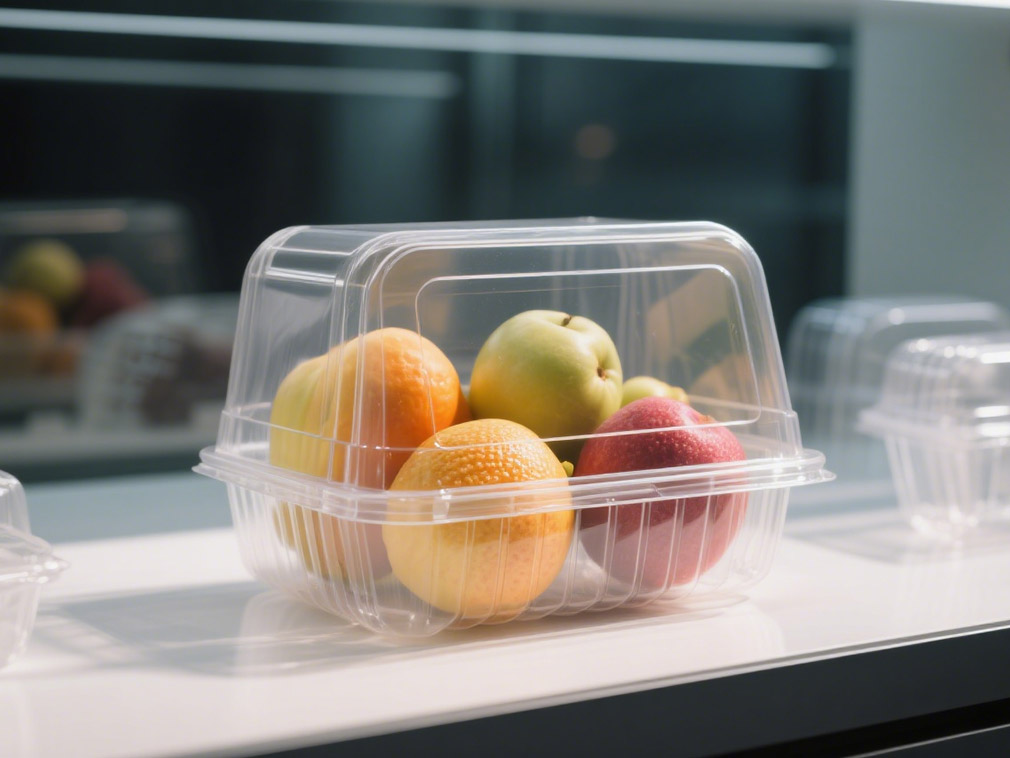
But now it is different! Material scientists have come up with black technology, which directly turns PP from "hazy beauty" to a transparent glass texture. Now PP can be proud of itself. With its ability to withstand high temperatures and be transparent enough, it has directly become a dark horse in the transparent packaging market.
The breakthrough in PP's transparency comes from the precise control of its crystal structure. The reason why natural PP is milky white is that the spherulite structure formed by its molecular chain during the cooling process will strongly scatter light. By adding specific nucleating agents (such as sorbitol, phosphate salts, etc.), the crystal morphology of PP can be changed, and the original coarse spherulites can be converted into microcrystals of uniform size.
The size of these microcrystals is much smaller than the wavelength of visible light, which greatly reduces the light scattering rate, so that the light transmittance of PP materials is increased from about 60% to more than 90%, and the haze is reduced to less than 10%, achieving a transparent effect comparable to PET (polyethylene terephthalate) and PS (polystyrene).
This glass-like transparent appearance allows PP to clearly display the color and texture of the products inside, fully meeting the stringent requirements of high-end food, cosmetics, health products, etc. for packaging transparency.
On the basis of achieving high transparency, PP's inherent heat resistance has become its core advantage over its competitors. After molecular structure optimization and modification, PP's heat resistance temperature can stably reach more than 120°C, and some high-performance models can even withstand short-term high temperature shocks of 140°C. This feature gives it an irreplaceable advantage in hot filling, microwave heating and scenes with large temperature fluctuations.
Hot filling is a sterilization and preservation process widely used in the food and beverage industry. It requires that the packaging material maintains dimensional stability during the high-temperature filling process of 85-95℃, without deformation, cracking or decreased sealing. The heat resistance upper limit of traditional PET materials is only 70-80℃.
It is easy to shrink and deform in the hot filling environment, resulting in failure of the bottle mouth seal; PS materials have worse heat resistance and may soften when exceeding 60℃, which cannot meet the hot filling requirements at all.
PP materials can perfectly maintain the packaging shape during the hot filling process with their excellent heat resistance and stability, effectively avoiding product deterioration caused by material failure, and greatly extending the shelf life of products such as juice, tea beverages, and functional beverages.
In the microwave heating scenario, the advantages of PP materials are more prominent. With the rapid development of the ready-to-eat food and pre-prepared food markets, consumers' demand for packaging that can be directly heated in microwaves is growing.
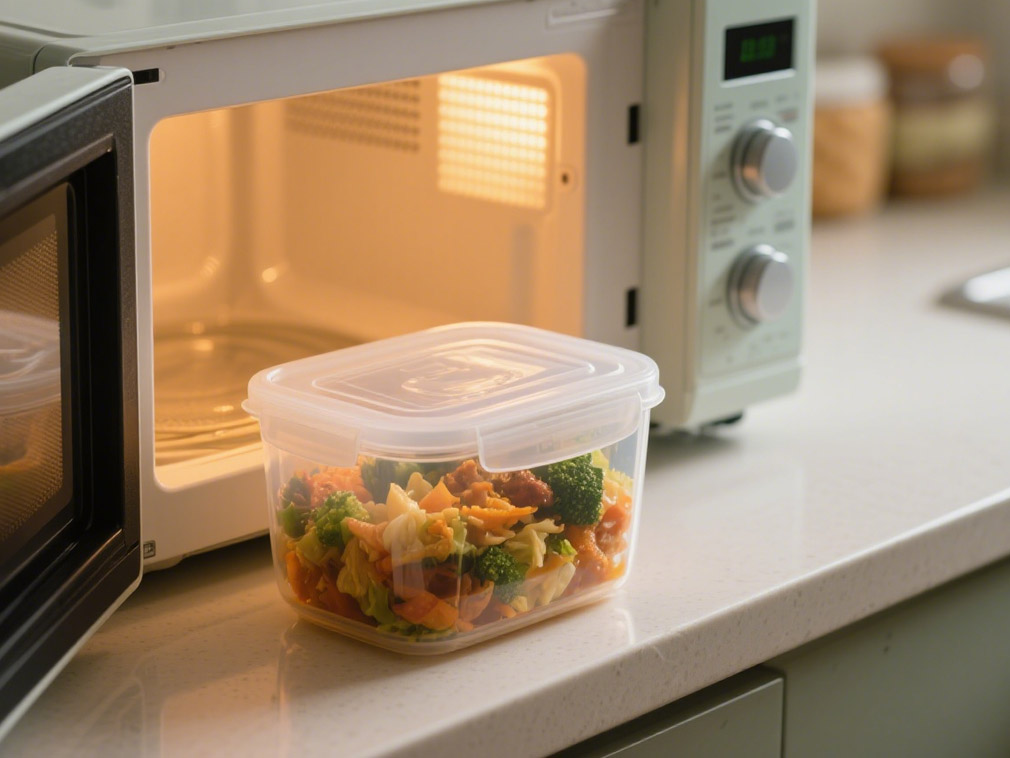
PET packaging is not only insufficiently heat-resistant in microwave environments, but may also release harmful substances. PS materials have the problems of low-temperature brittleness and high-temperature decomposition.
After special modification, PP material can not only withstand high temperature heating of 100-120℃ in microwave oven, but also has good low temperature resistance and can remain stable in a freezing environment of -20℃, truly realizing full scene adaptation from freezing to heating.
The transparent PP material has also achieved a qualitative leap in appearance and texture. Its high light transmittance and low haze characteristics enable the products in the package to be clearly presented, and the visual effect is comparable to glass packaging. At the same time, PP material has better impact resistance and flexibility than PET and PS, is not easy to break, and greatly reduces the loss rate during transportation and use.
In the field of cosmetic packaging, transparent PP material has good chemical stability and will not react with ingredients such as oil and alcohol in skin care products, which not only ensures product safety, but also improves the product grade through its crystal clear appearance.
At a time when the trend of environmental protection is becoming increasingly stronger, the sustainable advantages of PP materials are gradually emerging. The density of PP is only 0.90-0.91g/cm³, which is the lightest variety among the existing major packaging plastics. It can reduce material consumption by 15%-20% under the same volume. Its recycling rate is also constantly improving. It can be recycled multiple times through physical recycling processes, and the recycled materials can still maintain good mechanical properties.
In contrast, the molecular chain breakage problem in the recycling process of PET is more prominent, and PS is difficult to recycle due to its easy aging and degradation. With the continuous maturity of bio-based PP and degradable PP technologies, the application prospects of PP materials in the field of green packaging will be broader.
From a cost perspective, although the transparent PP material has been modified and the cost is slightly higher than that of ordinary PP, it still has obvious advantages over PET and PS. After large-scale production, the cost of transparent PP is only about 80% of that of high-performance PET, and the processing technology is highly compatible.
It can be directly produced using existing PP injection molding and blow molding equipment without the need for large-scale transformation of production lines, reducing the transformation cost of enterprises. This cost advantage makes it extremely competitive in the fast-moving consumer goods packaging field.
With the continuous advancement of technology, the performance of transparent heat-resistant PP materials continues to improve. Through advanced technologies such as nano-composite modification and molecular chain regulation, the new generation of PP materials has achieved further breakthroughs in transparency, heat resistance and mechanical properties, and some indicators are close to the level of engineering plastics.
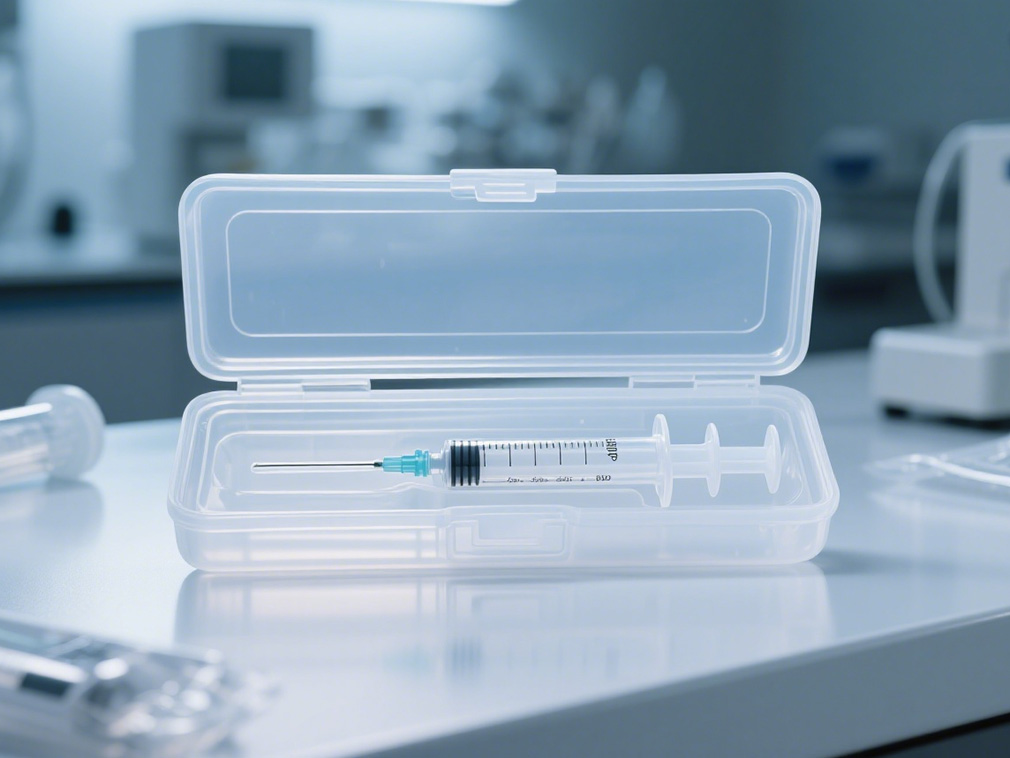
In the field of medical device packaging, transparent PP materials are gradually replacing traditional glass and PET packaging with their high temperature sterilization resistance (121℃ high-pressure steam sterilization) and good barrier properties; in electronic consumer product packaging, its antistatic modified varieties solve the problem of static electricity damage to electronic components.
The dual breakthroughs of transparency and high heat resistance have allowed PP materials to successfully break the monopoly of PET and PS in the field of transparent packaging and reshape the competitive landscape of packaging materials. From food and beverages to cosmetics, from medical devices to electronic products, PP materials are showing their replacement potential in more and more fields with their unique comprehensive advantages.
Our platform connects hundreds of verified Chinese chemical suppliers with buyers worldwide, promoting transparent transactions, better business opportunities, and high-value partnerships. Whether you are looking for bulk commodities, specialty chemicals, or customized procurement services, TDD-Global is trustworthy to be your fist choice.