Plastic Too Brittle? Impact Modifiers Explained for Toughness & Durability
What to do when plastic is too brittle?
This is not a simple question. When a car bumper cracks with a light touch in the dead of winter, when PVC pipes shatter into pieces during transport, when electronic device casings quietly develop cracks during daily use—these scenarios point to the same technical challenge: how to give plastic sufficient toughness while maintaining its rigidity?
The answer is impact modifiers.
A microscopic energy game
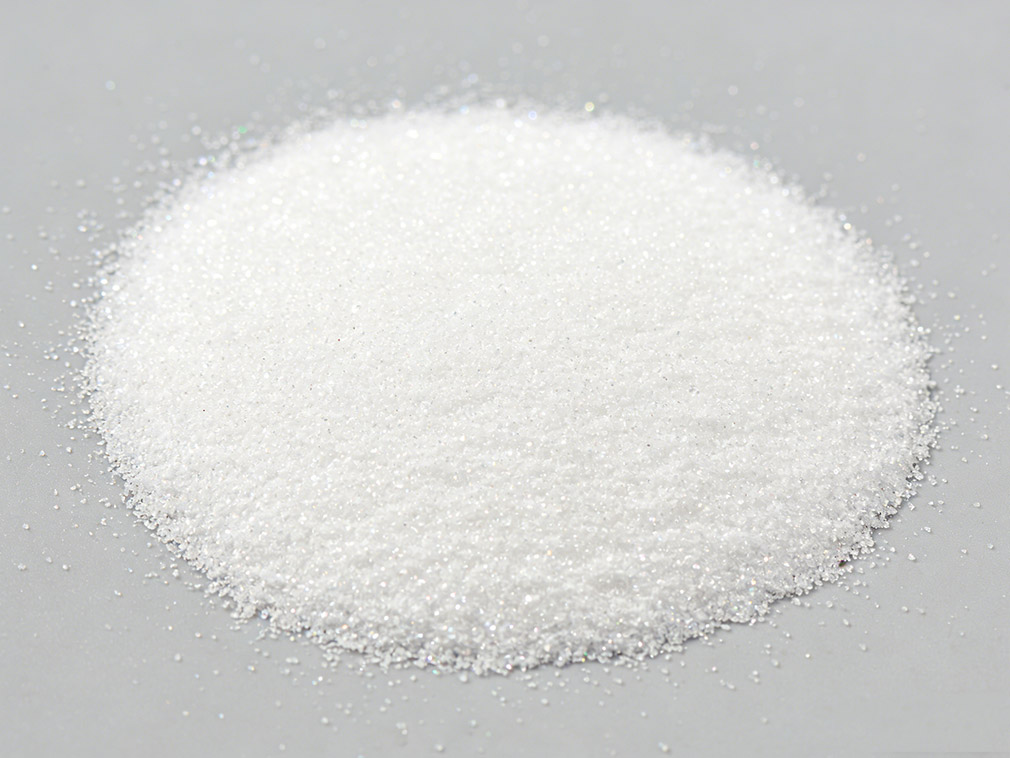
The underlying logic of impact modifiers is not complicated: a large number of tiny elastomer particles are implanted into a rigid plastic matrix. These particles typically have a core-shell structure—a soft rubber core absorbs energy, while a rigid polymer shell ensures good compatibility with the matrix.
When an impact occurs, these elastomer particles become stress "dissipation points." They induce microcracks (known in the industry as crazes) and shear bands in the matrix, dissipating the impact energy as heat through deformation and cavitation. For cracks to propagate, they must first overcome the elastomer barrier.
The effect of this mechanism is quite intuitive: the notched impact strength of ordinary rigid PVC is typically 2-5 kJ/m², but after adding 5%-8% impact modifier, this value can be increased to 15-30 kJ/m². High-performance products can even exceed 50 kJ/m². Furthermore, at temperatures as low as -30℃, high-quality modifiers can control the decrease in impact strength to within 30%.
Three Mainstream Products, Each with Its Own Strengths
The mainstream impact modifiers on the market can be roughly divided into three categories, each with its own clear technical positioning and application scenarios.
ACR (acrylate-based) focuses on weather resistance. Its molecular structure does not contain easily aging double bonds, resulting in outstanding UV resistance, making it suitable for products exposed to the elements for extended periods outdoors—PVC door and window profiles, outdoor pipes, and photovoltaic brackets are typical applications. Its value lies in: toughening while ensuring weather resistance is not a weakness.
MBS (methyl methacrylate-butadiene-styrene copolymer) focuses on transparency and toughening. Butadiene rubber (MBS) provides excellent low-temperature toughness, while a well-designed shell allows it to maintain transparency. MBS is the mainstream choice for plastic products that require both transparency and impact resistance, such as mobile phone casings, appliance panels, automotive headlight covers, and medical device housings.
CPE (chlorinated polyethylene) prioritizes cost-effectiveness. It achieves toughening through the formation of an elastomer network, offers decent weather resistance and aging resistance, and is relatively affordable. CPE maintains a high market share in the low-to-mid-range pipe and profile markets.
Application Landscape: From Automotive to Construction, From Electronics to Packaging
Impact modifiers are used in the details of multiple industries.
The automotive sector is a significant market for high-performance modifiers. Bumpers, dashboards, interior panels, battery housings, and charging pile housings—these components need to meet the requirements of complex operating conditions such as collisions, vibrations, and high/low temperature cycling while maintaining lightweight construction. The trend towards automotive lightweighting and the popularization of new energy vehicles have driven up the demand for modifiers.
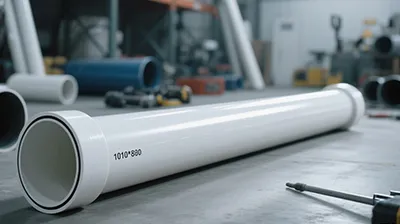
The demand in the construction sector is more rigid. PVC door and window profiles, water supply and drainage pipes, outdoor railings, and decorative panels—these products are exposed to the outdoors for extended periods, requiring them to withstand both impact and aging. The application of ACR-type modifiers in these applications is already quite mature.
The electronics and electrical appliance sector presents more diverse demands. Transparent products require high light transmittance (typically >85%), non-transparent products require flame retardancy, and electrical components require insulation—modifiers need to meet these requirements while simultaneously achieving toughening goals.
The packaging and industrial sectors have relatively practical needs: drop resistance, compression resistance, and chemical corrosion resistance. Food trays, industrial packaging boxes, chemical pipelines, and valves—the value of modifiers lies in reducing breakage rates and extending service life.
Three Directions of Technological Evolution
Observing the technological evolution of impact modifiers, three clear main lines can be observed:
High performance is a continuous trend. Third-generation core-shell toughening agents can increase the room temperature impact strength of PC materials by more than 300%, while maintaining excellent toughness at -30℃. Nanocomposite modifiers aim to achieve superior toughening effects with lower addition amounts through the synergistic effect of nanoparticles and elastomers.
Green development is driven by both policy and market forces. Bio-based modifiers use castor oil and vegetable oils as raw materials, with bio-based content reaching over 40%; recyclable modifiers improve the recycling rate of plastics through molecular design optimization; low-VOC, solvent-free products meet the environmental requirements of medical, electronic, and other fields.
Multifunctionality is an inevitable result of technological integration. Flame-retardant impact modifiers can achieve the UL94 V-0 flame-retardant standard while toughening; antibacterial modifiers can impart antibacterial properties to products; weather-resistant modifiers attempt to solve the problems of UV resistance, aging resistance, and impact resistance in one go.
On the demand side, factors such as automotive lightweighting, the popularization of new energy vehicles, building energy-saving renovations, and the upgrading of electronic appliances continue to drive the growth in demand for high-performance impact modifiers. At the same time, the advancement of green trade barriers and environmental policies is also accelerating the industry's transformation towards green and high-performance manufacturing.
Impact modifiers are not an explicit technical concept, but they underpin the performance of many visible products. They enable rigid plastics to maintain rigidity while possessing the toughness to withstand impacts, allow outdoor products to maintain structural stability during long-term exposure, and help transparent products find a balance between aesthetics and durability.
Our platform connects hundreds of verified Chinese chemical suppliers with buyers worldwide, promoting transparent transactions, better business opportunities, and high-value partnerships. Whether you are looking for bulk commodities, specialty chemicals, or customized procurement services, TDD-Global is trustworthy to be your fist choice.