87% High-Titanium Slag: Key Material for Advanced Metallurgy & Manufacturing
In the deep processing chain of titanium resources, high-quality 87% high-titanium slag plays a crucial role, bridging upstream and downstream processes. With a titanium dioxide (TiO₂) content of 87% as its core indicator, its stable chemical composition and low impurity content make it a vital link between titanium ore and high-end metallurgical products. It is widely used in advanced metallurgical scenarios with stringent raw material requirements, aligning with the current industry's development direction towards green, refined, and high-end processes.
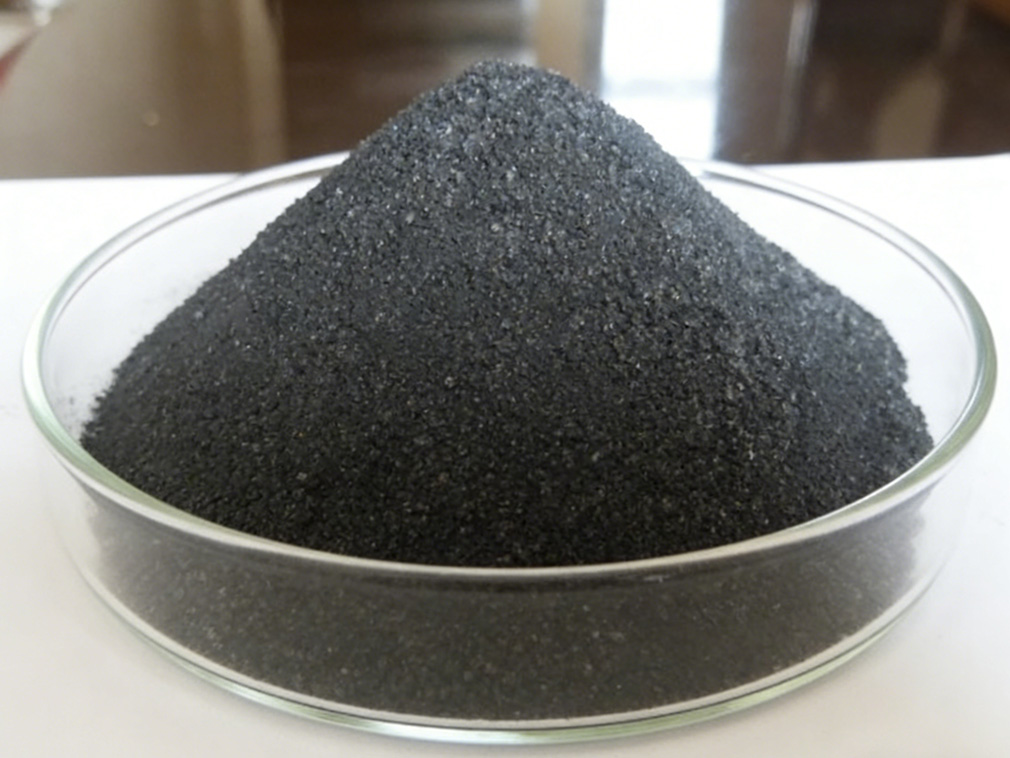
Precise Control, Quality First
The core advantage of 87% high-titanium slag lies in its "precision" and "purity." As a high-grade titanium slag, its TiO₂ content is stably maintained at around 87%, and impurity content is strictly controlled—elements such as iron, phosphorus, calcium, and magnesium, which may interfere with subsequent metallurgical processes, are all controlled within reasonable ranges, meeting the stringent requirements of high-end processes for raw material purity.
According to the relevant technical requirements of the "People's Republic of China Nonferrous Metals Industry Standard YS/T 298-202X" (preliminary draft), the moisture content of this product shall not exceed 0.5%, and the particle size can be adjusted within the range of 74μm to 850μm according to process requirements.
Customization can also be negotiated between the supplier and the buyer to adapt to different feeding systems. In terms of phase composition, it is mainly composed of chemically stable and high-temperature resistant rutile TiO₂, with a melting point range of 1500℃ to 1800℃. It can remain stable under intense metallurgical reactions, ensuring the controllability and continuity of the production process.
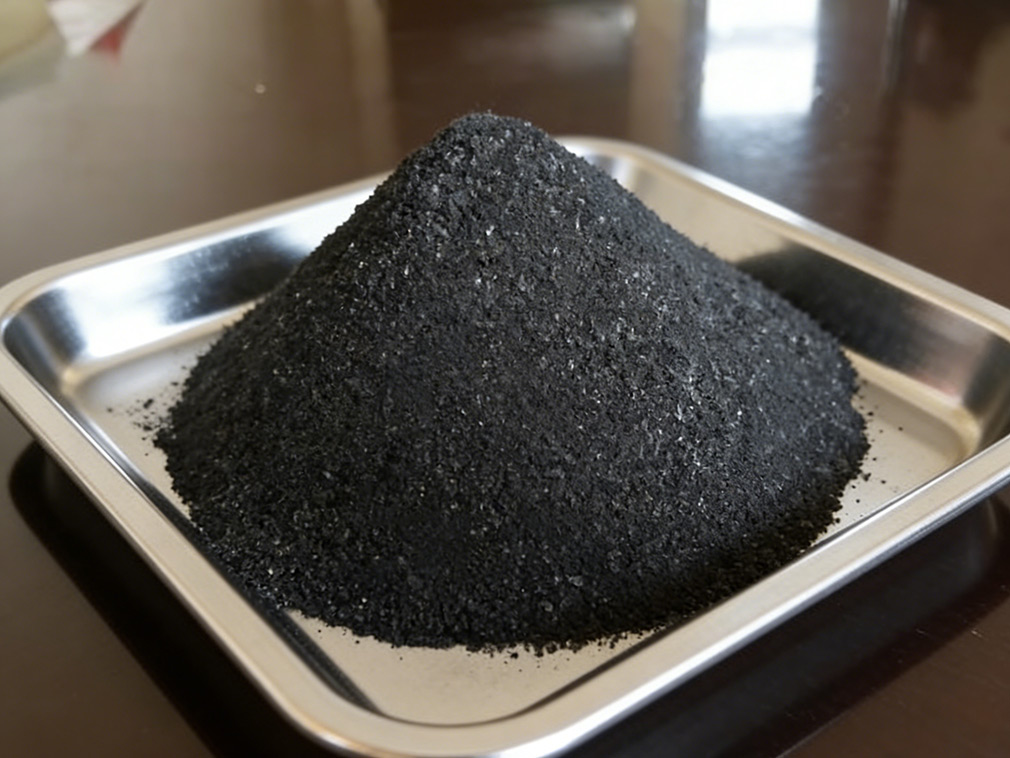
Wide Applications, Connecting High-End Manufacturing
With its excellent quality, 87% high-titanium slag exhibits broad applicability in advanced metallurgical fields, becoming a basic raw material for multiple high-end manufacturing processes.
Sponge Titanium Smelting: Sponge titanium is the basic material for producing titanium alloys, and 87% high-titanium slag is its core raw material. Through processes such as chlorination and reduction, the high-titanium slag is converted into titanium tetrachloride, thereby producing high-purity sponge titanium.
Compared to low-grade raw materials, 87% high-titanium slag significantly reduces the interference of impurities such as iron, calcium, and magnesium on the reduction reaction, effectively improving the grade of sponge titanium and reducing the energy consumption and cost of subsequent purification. This high-purity sponge titanium is ultimately used in high-end fields such as aerospace and deep-sea equipment.
High-end Titanium Alloy Manufacturing: With the rapid development of industries such as domestically produced large aircraft and new energy equipment, the market demand for high-end titanium alloys is increasingly strong.
The key properties of titanium alloys, such as strength and corrosion resistance, are closely related to the purity of the raw materials. 87% high-titanium slag, through precise control of impurity elements, avoids the damage of harmful components to alloy performance, providing a reliable foundation for the production of titanium alloy materials that meet the requirements of high-end equipment.
Chlorination Process Titanium Dioxide Production: In the chloride process titanium dioxide production, which represents advanced technology, 87% high-titanium slag is also an ideal raw material. Its high grade and low impurity characteristics help reduce scaling and clogging problems in the chlorination furnace, thereby improving production efficiency and the whiteness and quality of the final product.
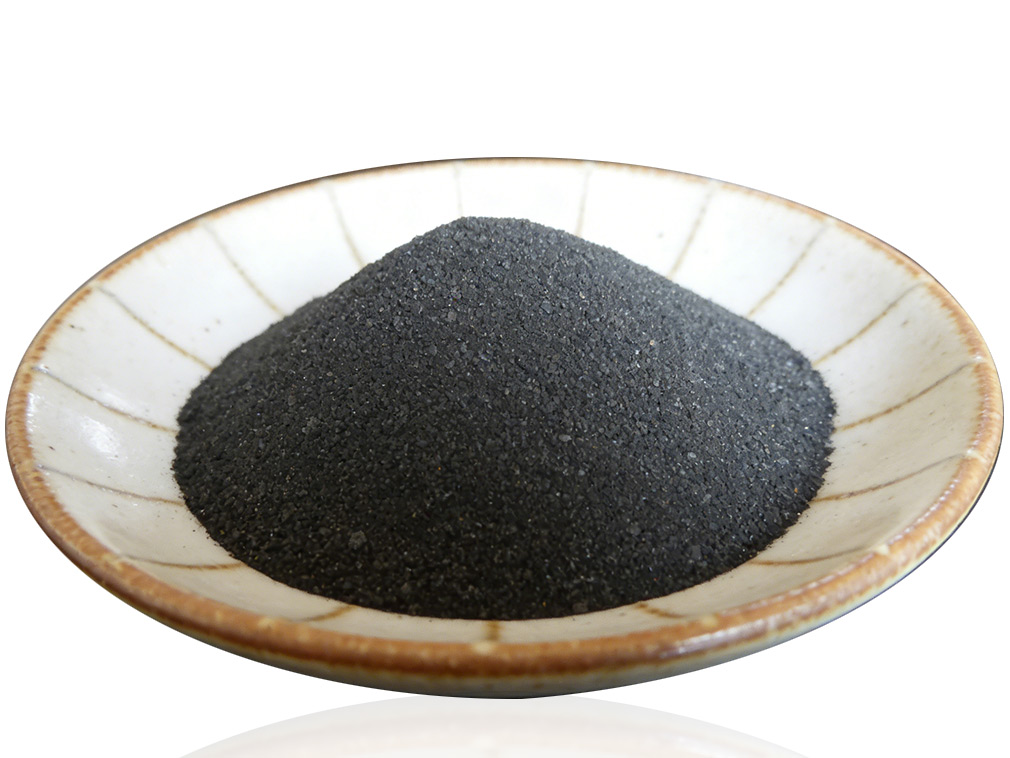
Currently, my country's high-titanium slag industry is transforming from extensive production to high-quality development. The large-scale application of 87% high-titanium slag is due to the promotion of advanced smelting processes such as "pre-oxidation-selective reduction".
These technologies not only improve product quality, but also effectively reduce production energy consumption and pollutant emissions, which meet the requirements of the "Emission Standard of Pollutants for Magnesium and Titanium Industry" (GB 25468-2010) and conform to the industrial trend of "dual carbon" goals.
Our platform connects hundreds of verified Chinese chemical suppliers with buyers worldwide, promoting transparent transactions, better business opportunities, and high-value partnerships. Whether you are looking for bulk commodities, specialty chemicals, or customized procurement services, TDD-Global is trustworthy to be your fist choice.