Polyethylene Terephthalate: A Multifaceted Material
Polyethylene terephthalate (PET), a highly representative member of the polyester family, holds an irreplaceable position in modern industrial production and daily life thanks to its unique combination of properties. From a molecular perspective, PET is formed through the polycondensation reaction of terephthalic acid and ethylene glycol. Its molecular chains exhibit a regular linear structure, which underlies its semi-crystalline state.
In its stable state, PET is neither completely crystalline nor amorphous, but rather semi-crystalline. This state provides a delicate balance between mechanical and processing properties. The crystalline regions impart excellent strength, hardness, and chemical stability to PET, while the amorphous regions provide a degree of toughness and transparency, crucial for its adaptability to diverse applications.
PET's exceptional performance extends far beyond this. Impact resistance, moisture resistance, alcohol resistance, and solvent resistance collectively constitute its core competitive advantages. In terms of impact resistance, PET effectively dissipates energy when subjected to external forces, making it less susceptible to cracking. This characteristic makes it an excellent choice for packaging, effectively protecting products from bumps during transportation and accidental collisions during daily use, minimizing damage.
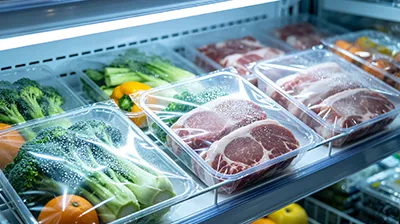
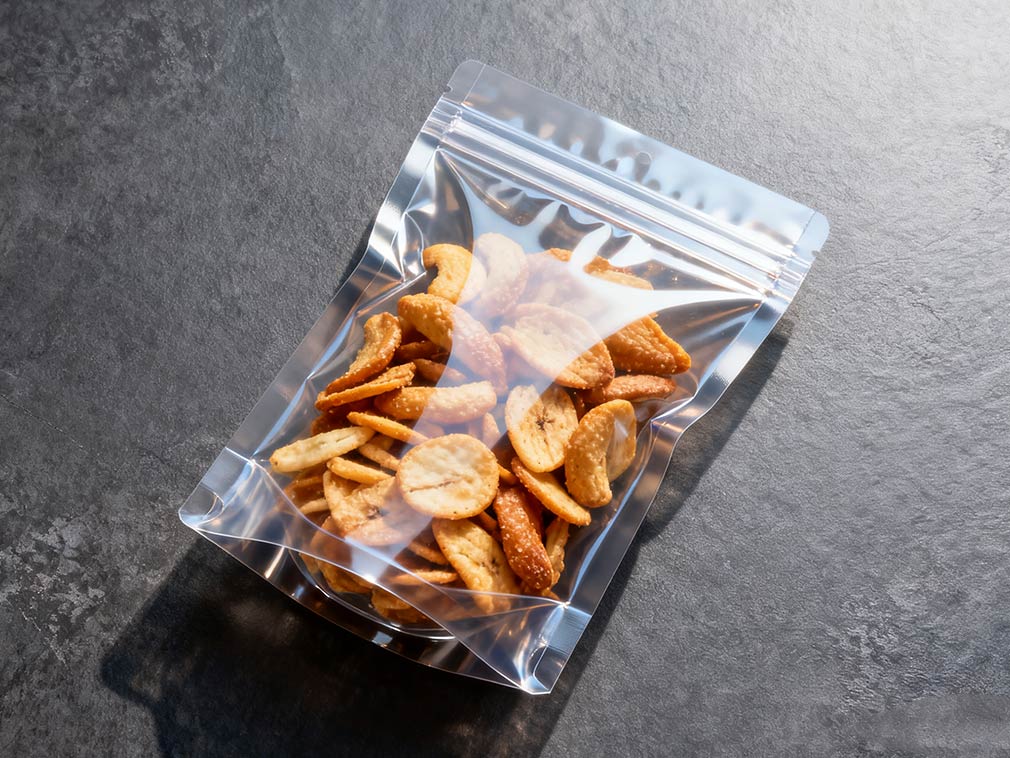
PET's moisture resistance makes it an ideal choice for food and pharmaceutical packaging. Its compact molecular structure effectively blocks moisture penetration, preventing moisture-induced deterioration of the contents. For example, in packaging foods like biscuits and milk powder, PET packaging preserves the dryness and freshness of the food for a long time.
Alcohol and solvent resistance further expand PET's application areas. In cosmetics packaging, alcohol-containing toners, serums, and other products require packaging materials with excellent alcohol resistance to prevent corrosion and leakage. In the industrial sector, PET can also be used to store some low-concentration solvents, demonstrating strong chemical stability.
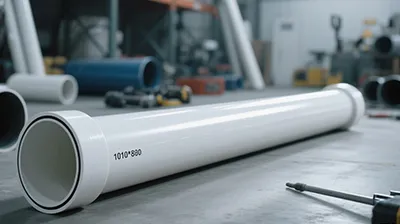
As an indispensable plastic in daily life, PET has a wide range of applications, playing a vital role in packaging, the fabric and textile industries, as well as automotive and electronics.
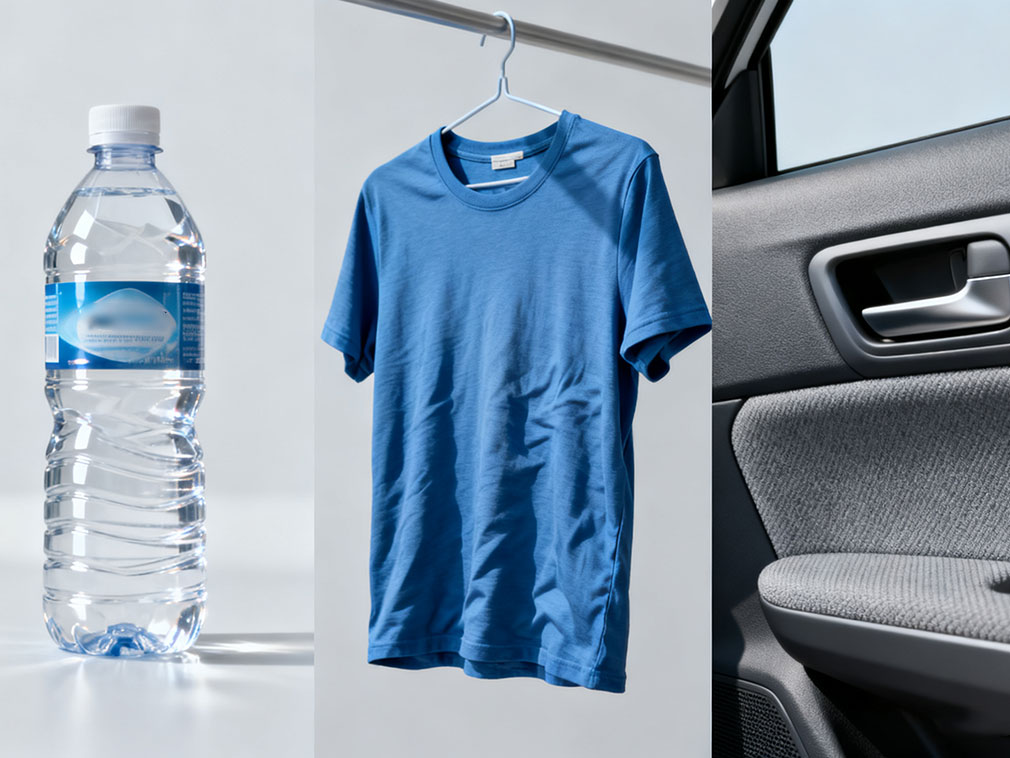
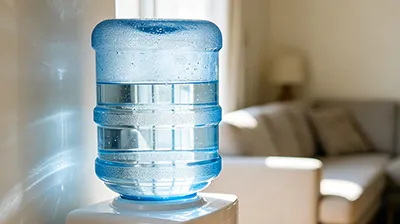
In the packaging industry, PET is the primary material for producing plastic bottles, ranging from common mineral water and carbonated beverage bottles to edible oil and cosmetic bottles.
PET bottles are highly favored by consumers and manufacturers for their lightweight, transparent, aesthetically pleasing appearance, and ease of recycling. PET is also widely used in packaging films, which, with their excellent barrier properties and flexibility, are used for vacuum packaging of food, fresh-keeping packaging, and dust-proof packaging for electronic products.
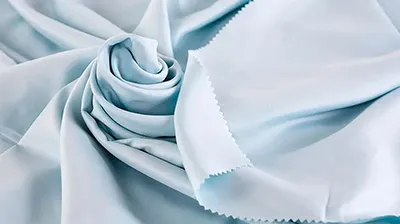
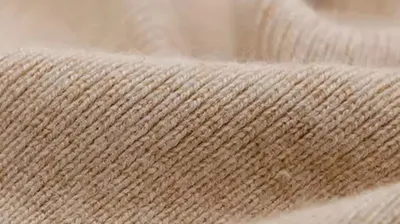
In the fabric and textile industry, PET fiber (commonly known as polyester) is one of the most produced synthetic fibers. PET fiber boasts high strength, excellent elasticity, abrasion resistance, wrinkle resistance, and fade resistance, making it widely used in clothing, home textiles, and industrial fabrics.
Clothing made from PET fiber is not only comfortable and stylish, but also highly washable, ensuring long-lasting beauty. In the home textile sector, curtains, bed sheets, and quilt covers made from PET fiber are also popular among consumers for their excellent properties.
PET also has important applications in the automotive and electronics industries. In the automotive industry, PET is used to manufacture interior components such as instrument panels, door panel trims, and seat fabrics. PET's lightweight properties help reduce the overall weight of vehicles, thereby improving fuel economy. Furthermore, PET's aging and temperature resistance meet the performance requirements of automotive interior components over long-term use.
In the electronics industry, PET film can be used to manufacture insulation materials and screen protectors for electronic products. PET film's excellent insulation properties ensure the safe operation of electronic products, while its excellent transparency and abrasion resistance make it an ideal choice for screen protectors.
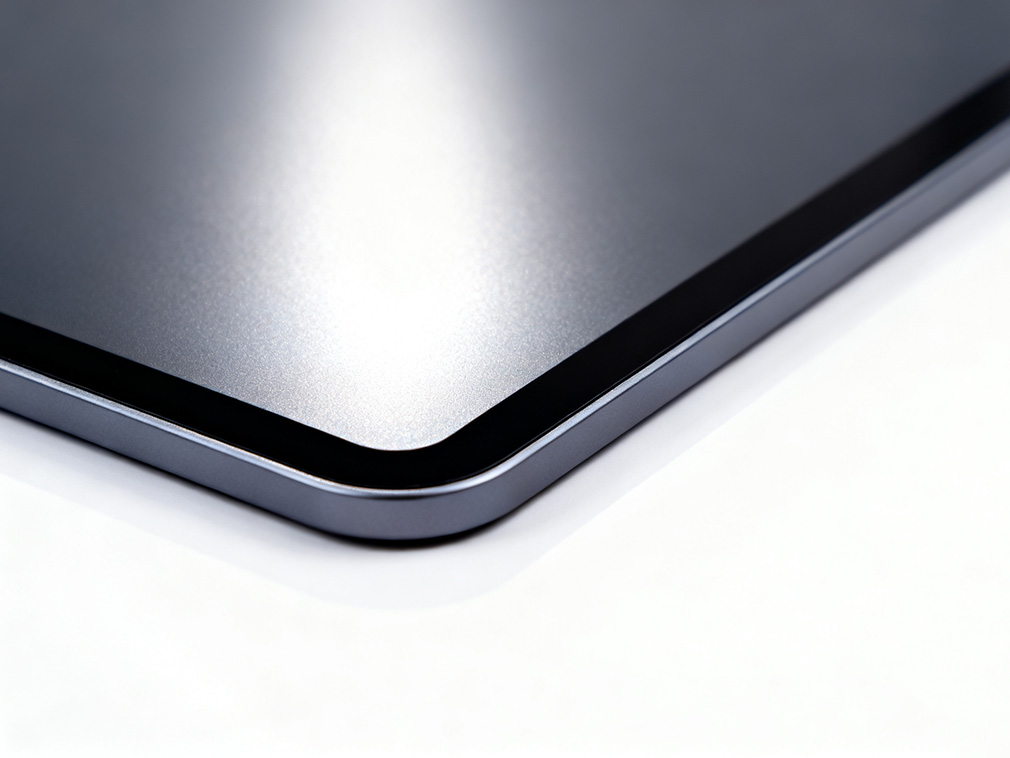
PET is also used to manufacture electronic product casings. Through processes such as injection molding, complex shapes and high precision can be produced, providing excellent protection for electronic products.
As material performance requirements continue to increase across various industries, efforts are underway to optimize PET's performance, improving performance while reducing costs to meet the demands of high-end applications.
In terms of performance optimization, researchers are continuously improving PET's various properties through methods such as copolymerization, filling, and reinforcement. Copolymerization modification involves introducing other monomers into the PET molecular chain to alter its structure and properties. For example, the introduction of monomers such as adipic acid and isophthalic acid can improve PET's flexibility and low-temperature resistance.
Filling modification involves adding inorganic fillers (such as calcium carbonate and talc) or organic fillers to PET to enhance its strength, stiffness, and heat resistance while reducing production costs.
Reinforcement modification typically involves compounding PET with reinforcing materials such as glass fiber and carbon fiber to create reinforced PET composites. These composites possess exceptional strength and stiffness and are used in the manufacture of high-end products such as automotive structural parts and electronic product casings.
In terms of cost reduction, in addition to reducing the amount of PET resin used through methods such as filling modification, researchers are also continuously optimizing PET production processes to improve efficiency and reduce energy consumption and raw material loss during production.
For example, in the polycondensation reaction of PET, improving the catalyst system and optimizing reaction conditions can shorten reaction time, increase product yield and quality, and thus reduce unit production costs. Furthermore, PET's recyclability provides an important avenue for reducing costs and achieving sustainable development.
Currently, PET recycling technology is relatively mature. Recycled PET can be remade into PET resin through depolymerization and regeneration processes for use in the production of products such as plastic bottles, fibers, and films. This not only reduces the environmental pollution caused by plastic waste, but also reduces dependence on virgin PET resin, conserving raw material resources, and achieving resource recycling.
Our platform connects hundreds of verified Chinese chemical suppliers with buyers worldwide, promoting transparent transactions, better business opportunities, and high-value partnerships. Whether you are looking for bulk commodities, specialty chemicals, or customized procurement services, TDD-Global is trustworthy to be your fist choice.