Rigid PVC Performance and Applications
The advantages of rigid PVC lie in several key dimensions, each closely tied to its molecular structure and production process. First, impact resistance. Through appropriate formulation design (such as the addition of impact modifiers like ACR and CPE), rigid PVC can effectively enhance its toughness, making it less susceptible to breakage when subjected to external forces.
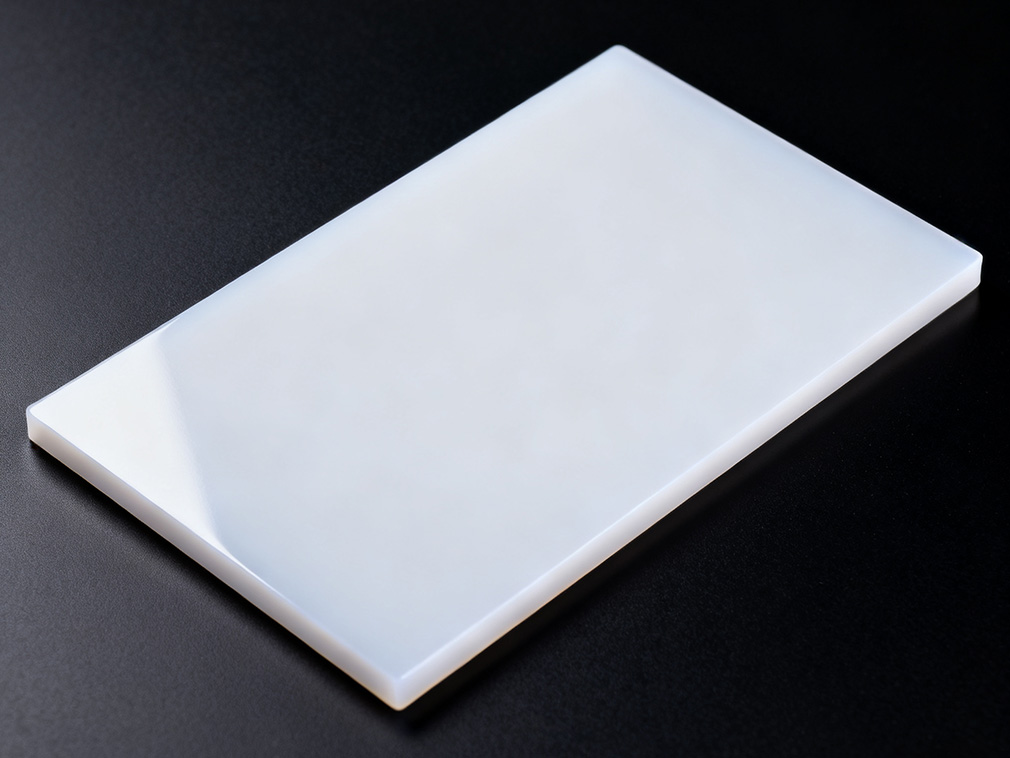
This characteristic makes it highly sought after in outdoor fixtures, children's toy casings, and electronic device cases. For example, park benches and residential fitness equipment frames are often made of rigid PVC. Even in environments with frequent human activity, it can withstand daily impacts and maintain structural integrity.
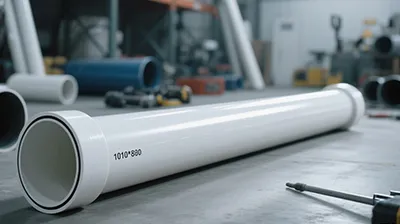
Second, water and weather resistance are rigid PVC's trump cards. Because polyvinyl chloride (PVC) contains no hydrophilic groups and its molecules are tightly packed, moisture is difficult to penetrate the material, making it an ideal material for piping systems.
In the construction industry, UPVC drainage and water pipes have become a mainstream choice. Compared to traditional metal pipes, they are not only lightweight and easy to install, but also resist rust caused by long-term contact with water, with a service life of over 50 years.
Furthermore, by adding additives such as UV absorbers, rigid PVC effectively protects against ultraviolet radiation from sunlight, preventing aging, discoloration, and embrittlement. Therefore, it is often used in products such as outdoor billboards, door and window profiles, and awnings, maintaining stable performance and appearance even in harsh climates such as high temperatures, heavy rain, and severe cold.
Rigid PVC also excels in chemical and corrosion resistance. Polyvinyl chloride molecules are highly chemically stable and do not react easily with common chemicals such as acids, alkalis, and salts. They are also not easily dissolved or corroded by organic solvents such as ethanol and gasoline. This property makes it widely used in industries such as chemical, pharmaceutical, and food processing.
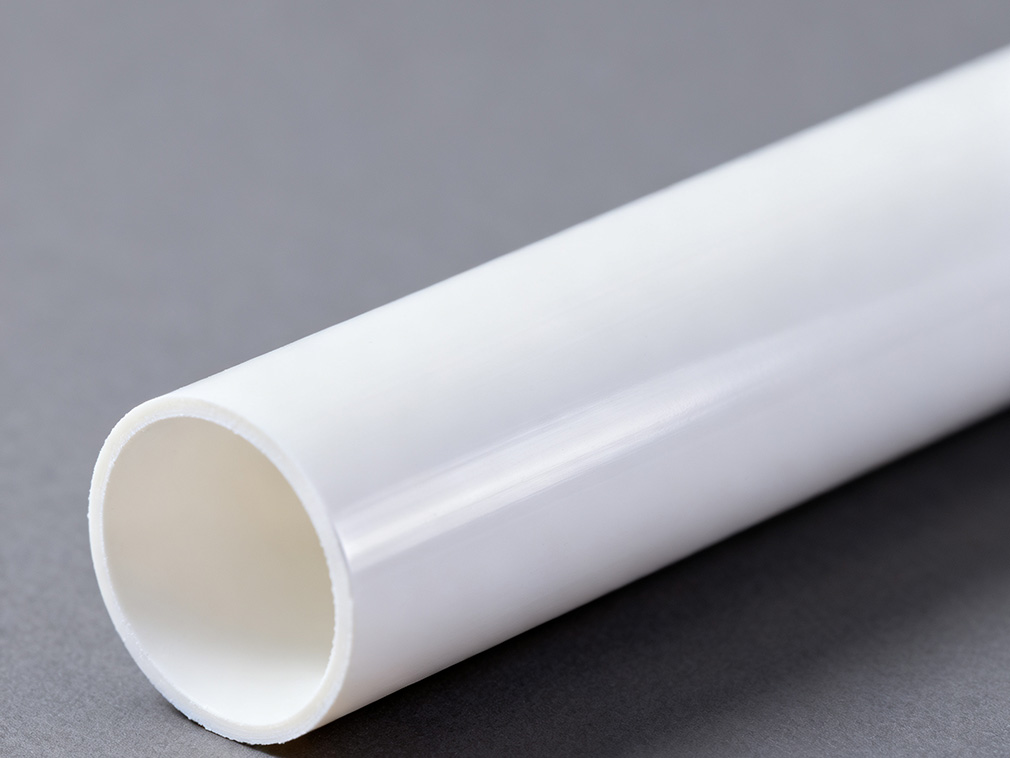
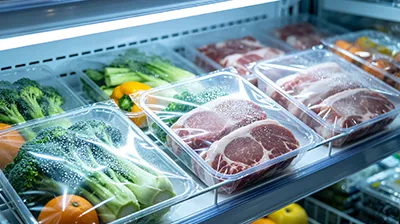
For example, in chemical plants, rigid PVC is often used to make pipes and storage tanks for transporting corrosive liquids like hydrochloric acid and sulfuric acid. In food processing plants, it's used to make food containers, conveyor belts, and other equipment, preventing food contamination and resisting corrosion from cleaning agents and disinfectants. Furthermore, compared to corrosion-resistant materials like stainless steel and fiberglass, rigid PVC offers lower production costs and a significant price-performance advantage, further expanding its application range.
In addition to its core properties, rigid PVC also boasts excellent processability and customizability. Through various processing techniques such as extrusion, injection molding, and calendering, it can be manufactured into a variety of products, including pipes, profiles, sheets, and custom shapes, meeting the needs of diverse industries.
For example, in the building door and window industry, UPVC profiles can be extruded into window and door frames of varying specifications. These are then cut and assembled into complete door and window products. Surface effects can be achieved through lamination and spray coating, creating a variety of finishes, such as wood grain and metallic colors, ensuring both practicality and aesthetics.
In the electronics industry, rigid PVC can be injection molded into products such as electrical housings and junction boxes, offering advantages such as high dimensional precision and a smooth surface.
However, rigid PVC faces controversy and challenges in its application, most notably environmental issues. For one thing, improper handling during the rigid PVC production process can produce chlorine-containing compounds (such as dioxins), which pose a threat to the environment and human health.
For another, if discarded rigid PVC products are not properly recycled, they remain in the environment for a long time, becoming difficult to degrade and causing "white pollution." To address these issues, the industry is continuously exploring green production processes and recycling technologies.
For example, advanced incineration technology can effectively control dioxin emissions. Through physical and chemical recycling, discarded rigid PVC products can be converted into recycled raw materials for reuse in production, achieving resource recycling.
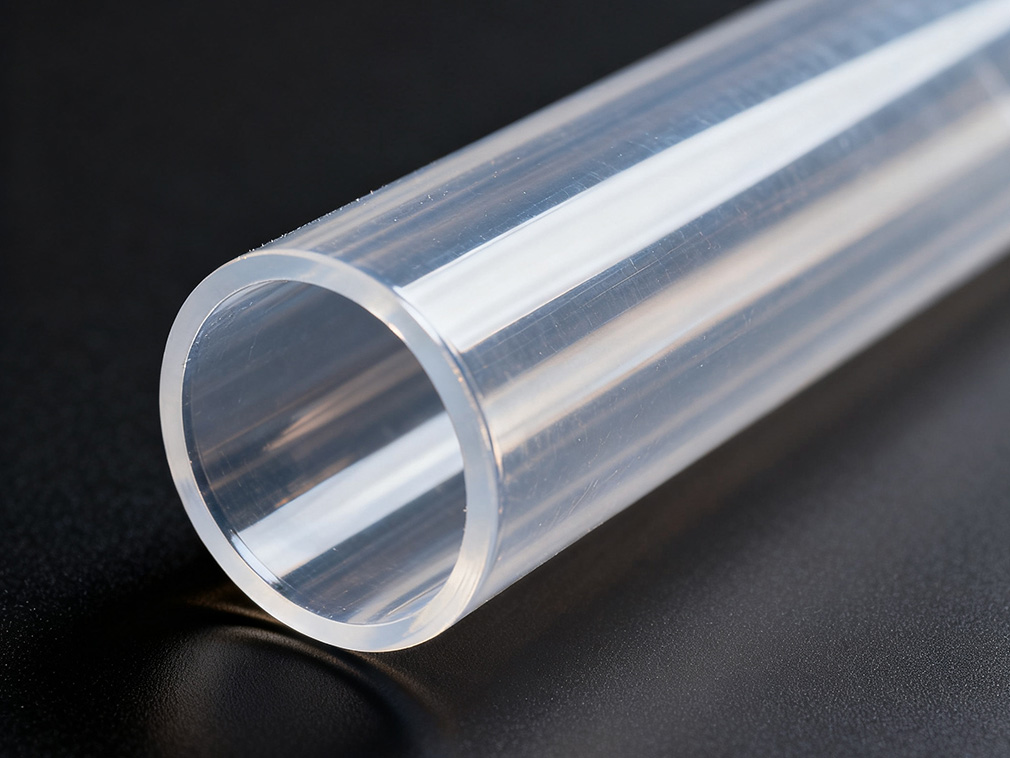
At the same time, governments around the world are also introducing policies to strengthen oversight of rigid PVC production and recycling, promoting the industry's green and sustainable development. In general, rigid PVC (UPVC), as a high-performance, cost-effective plastic material, plays a vital role in modern industry and daily life. Its advantages, such as impact resistance, water resistance, weather resistance, and chemical resistance, make it an irreplaceable material in a variety of fields.
Our platform connects hundreds of verified Chinese chemical suppliers with buyers worldwide, promoting transparent transactions, better business opportunities, and high-value partnerships. Whether you are looking for bulk commodities, specialty chemicals, or customized procurement services, TDD-Global is trustworthy to be your fist choice.