Polyethylene Terephthalate PET: Its Magic
Polyethylene terephthalate (PET), as a high-performance thermoplastic polymer, occupies an important position in various fields such as packaging, building materials, and electronics due to its excellent mechanical properties, chemical stability, and processing adaptability.
Among these advantages, its convenient molding and processing characteristics are one of the core strengths driving its widespread application. Especially its mature applications in injection molding, extrusion, and blow molding processes have allowed PET products to permeate all aspects of daily life.
From a processing perspective, the most significant advantage of PET material lies in the diversity and convenience of its molding methods. Injection molding, as one of the most common processes in plastic processing, is suitable for the mass production of PET products.
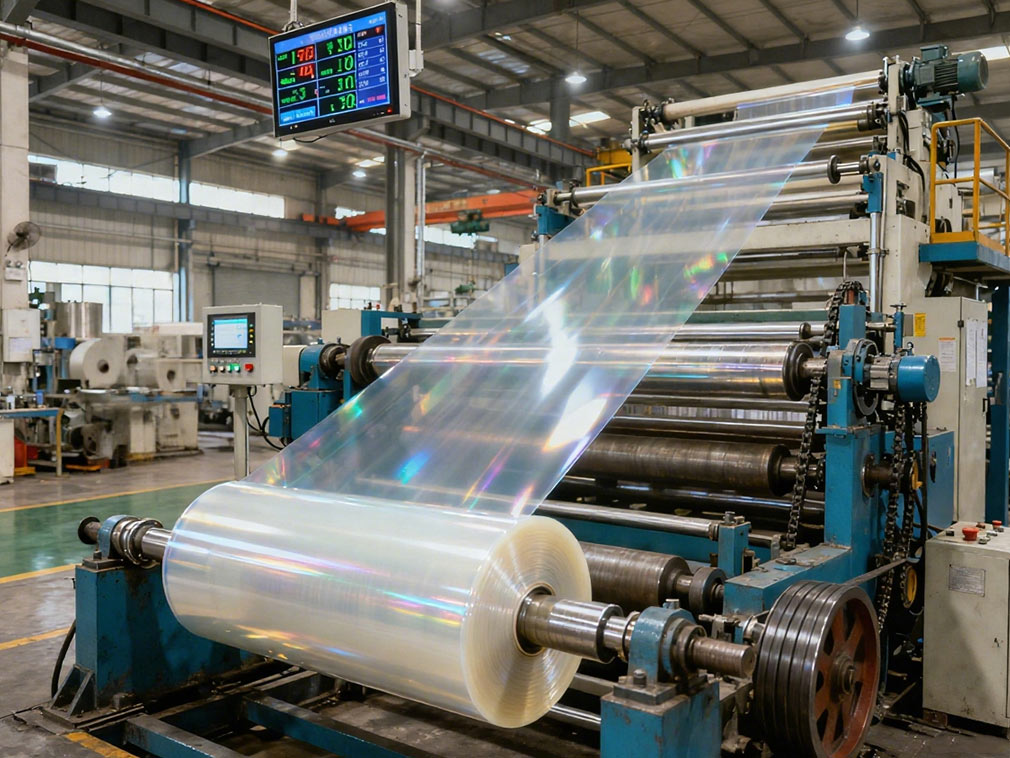
By injecting molten PET raw material into a mold cavity, it can be cooled and solidified to obtain complex-shaped products, such as bottle caps, appliance housings, and other small precision parts. Extrusion molding, on the other hand, focuses more on continuous production and is mainly used in PET processing to manufacture films and sheets.
In the extrusion process, PET raw material is heated and melted by a screw extruder, then extruded through a die of a specific shape, and finally cooled and shaped by cooling rollers to form a film or sheet of uniform thickness. These extruded PET films and sheets can be further processed into various packaging containers, such as food trays and disposable lunch boxes, through thermoforming, greatly expanding the application range of PET in the packaging field.
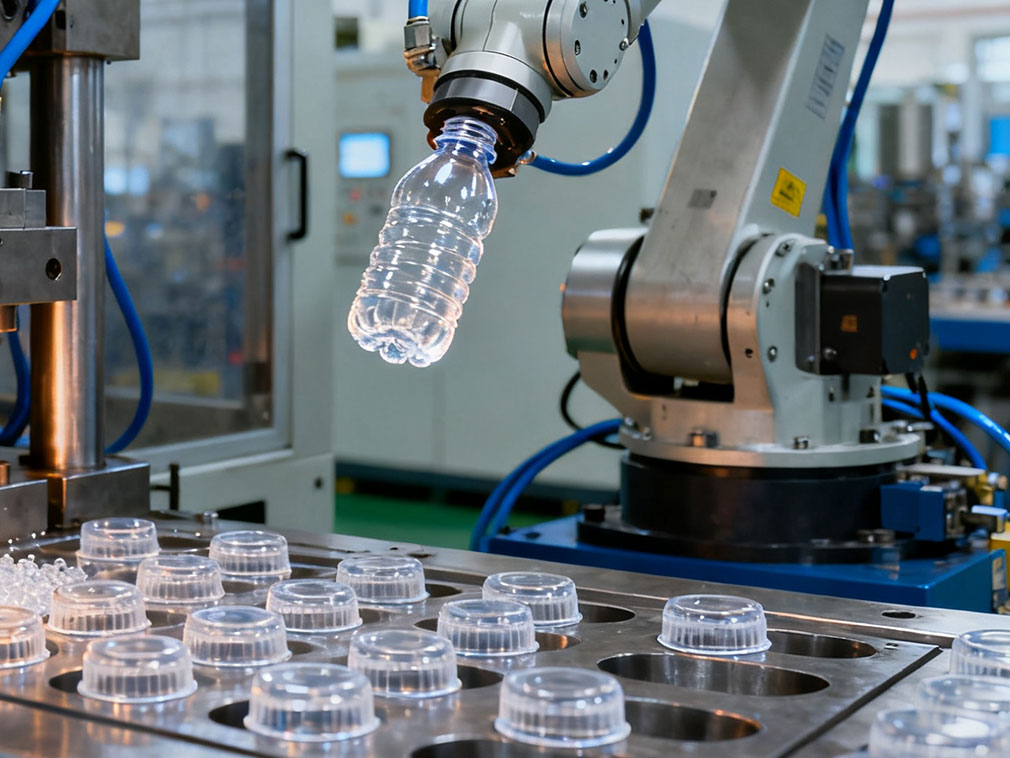
Blow molding is the core process for producing transparent bottles from PET materials and is currently one of the most widely used technologies in the PET packaging industry. The pretreatment of PET raw materials is crucial before blow molding and other processing.
Because PET material has a certain degree of hygroscopicity, if the raw material contains too much moisture, it is prone to hydrolysis during high-temperature processing, leading to a decline in material performance and defects such as bubbles and cracks in the finished product.
Therefore, the industry generally recommends drying PET raw materials in a 120℃ drying device for 2-4 hours before processing to ensure that the moisture content of the raw material is reduced to below 0.02%, thus ensuring the stability of subsequent processing and the quality of the finished product.
Meanwhile, to meet the demands of green environmental protection and cost control, up to 25% recycled materials can be incorporated into the PET processing. These recycled materials undergo rigorous screening, cleaning, and granulation to ensure their performance meets processing requirements.
This effectively reduces raw material costs and minimizes plastic waste pollution without compromising product quality, thus promoting the sustainable development of the PET industry.
From the perspective of blow molding technology, its core is the secondary processing of pre-formed PET preforms. The specific process is as follows: First, PET raw materials are injection molded into preforms, typically tubular in shape, closed at one end and open at the other. Then, the preform is fed into the heating device of a blow molding machine for reheating, softening it to a state with good plasticity.
Next, the softened preform is automatically positioned into a mold of a specific shape. The blow molding machine introduces high-pressure air into the preform through the nozzle, causing the softened PET material to adhere tightly to the inner wall of the mold under high pressure. Finally, after cooling and setting, the mold is opened to obtain a transparent PET bottle conforming to the mold shape.
This blow molding process allows for precise control of bottle wall thickness, transparency, and dimensional accuracy, meeting the stringent requirements of various industries for packaging containers. Based on different process characteristics, PET blow molding can be divided into two types: extrusion blow molding and stretch blow molding. Each has its own focus in application scenarios, but both cover the packaging needs of many fields.
Extrusion blow molding is more suitable for large-capacity containers with relatively simple shapes in PET bottle production. Its processing flow is relatively direct: PET is melted and directly extruded into a tubular preform using an extruder, and then the preform is fed into a mold for blow molding.
PET bottles produced using extrusion blow molding have good impact resistance and sealing properties, and are widely used in the packaging of ketchup and sauces, cleaning products, mineral water, and various food and beverages.
For example, most common 500ml and above mineral water bottles and large-capacity detergent bottles on the market are manufactured using extrusion blow molding, which can meet the requirements for leak prevention and pressure resistance during storage and transportation.
Stretch blow molding adds a stretching step to conventional blow molding. By stretching the preform axially and radially, the molecular chains of the PET material are fully oriented, significantly improving the mechanical properties, transparency, and barrier properties of the finished product.
PET bottles produced using this process are lighter, thinner, stronger, and have a stronger ability to block oxygen and carbon dioxide, making them widely used in fields with stringent packaging requirements. In the water and pharmaceutical industries, stretch blow-molded PET bottles, with their excellent transparency and clarity, clearly display the product's condition, while their good barrier properties prevent contamination of pharmaceuticals and drinking water, ensuring product safety.
In dry goods and fragrance packaging, high-barrier PET bottles effectively isolate moisture and oxygen from the air, delaying oxidation and deterioration of dry goods and fragrances, extending shelf life. Household cleaning agents, liquid soaps, and detergents, which typically contain certain chemical components, benefit from the good chemical stability of stretch blow-molded PET bottles, preventing chemical reactions between the container and its contents and ensuring stable product performance.
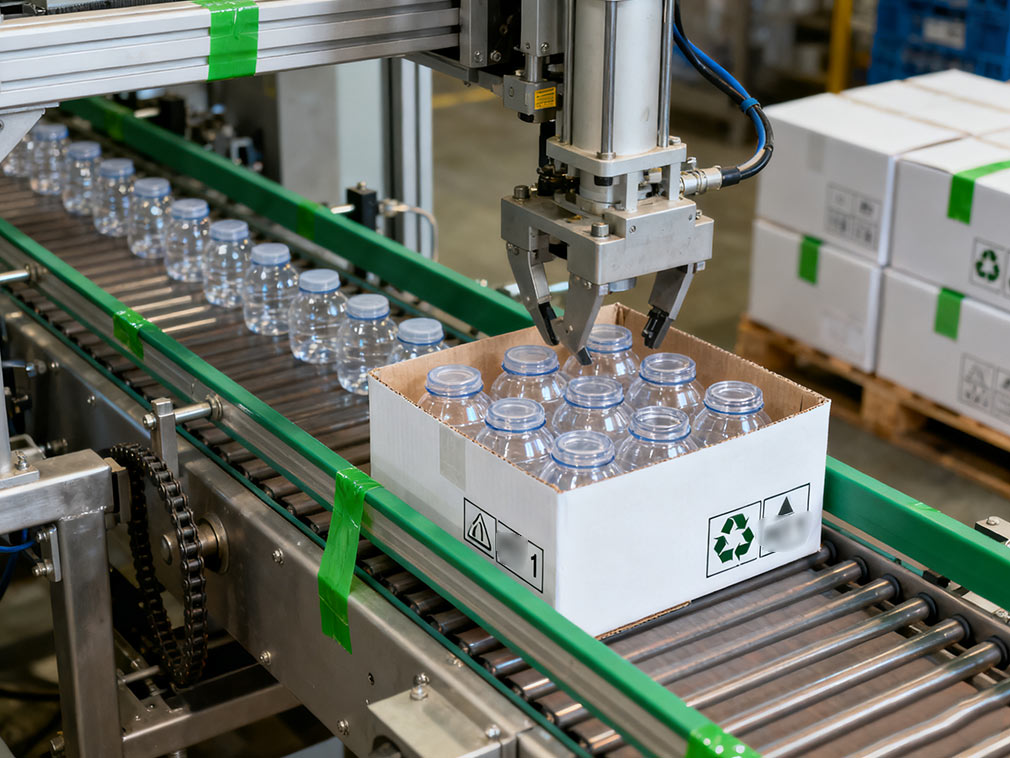
Isotonic beverages and sports drinks require high levels of airtightness and barrier properties during storage. Stretch blow-molded PET bottles effectively prevent carbon dioxide loss and the ingress of external impurities, maintaining the taste and quality of the beverage.
Infant formula, as a crucial source of nutrition for infants and young children, has extremely stringent requirements for packaging safety and airtightness. Stretch blow-molded PET bottles not only provide excellent barrier protection but also offer moisture and contamination prevention through special cap designs, ensuring the freshness and safety of the formula.
Furthermore, stretch blow-molded PET bottles are widely used in household product packaging, meeting diverse consumer needs for everyday product packaging due to their lightweight, durability, and aesthetic appeal.
Our platform connects hundreds of verified Chinese chemical suppliers with buyers worldwide, promoting transparent transactions, better business opportunities, and high-value partnerships. Whether you are looking for bulk commodities, specialty chemicals, or customized procurement services, TDD-Global is trustworthy to be your fist choice.