Nylon vs PVC Plugs Selection
In industrial production, equipment assembly, and everyday product manufacturing, caps and plugs serve as crucial auxiliary components, fulfilling multiple functions including protection, sealing, and aesthetics. Nylon and PVC are two widely used materials, especially in common products like blind plugs. Due to significant differences in their material properties, their applicable scenarios are clearly distinct.
A thorough understanding of their characteristics and applications is essential for accurate selection, ensuring product performance, and extending service life.
Blind plugs, as an important member of the cap and plug family, primarily protect metal plates from sharp edge damage and seal panel cavities, preventing dust and impurities from entering and affecting equipment operation. They also enhance the overall integrity of the product.
From a material perspective, nylon and PVC blind plugs differ significantly in appearance, performance, and applicable environments. When aesthetics are the primary requirement for blind plugs, nylon is undoubtedly the first choice.
Nylon itself possesses excellent molding stability, allowing for precise replication of mold details during production. The finished product has a smooth, mirror-like surface without obvious flaws, a delicate and warm feel, and is free of rough particles or burrs. This superior appearance makes it stand out in scenarios where aesthetics are paramount, such as the casings of high-end electronic devices and the user interfaces of precision instruments.
In these scenarios, nylon blind plugs not only provide basic protection and sealing but also seamlessly integrate with the overall product design, enhancing the product's premium feel and visual appeal, leaving users with a professional and sophisticated impression.
In outdoor applications, PVC material demonstrates irreplaceable advantages, becoming the preferred choice for many companies. The complex and variable outdoor environment, with its extreme conditions of high and low temperatures, strong UV radiation, and weathering, places stringent demands on the material's weather resistance, UV resistance, and resistance to extreme temperatures.
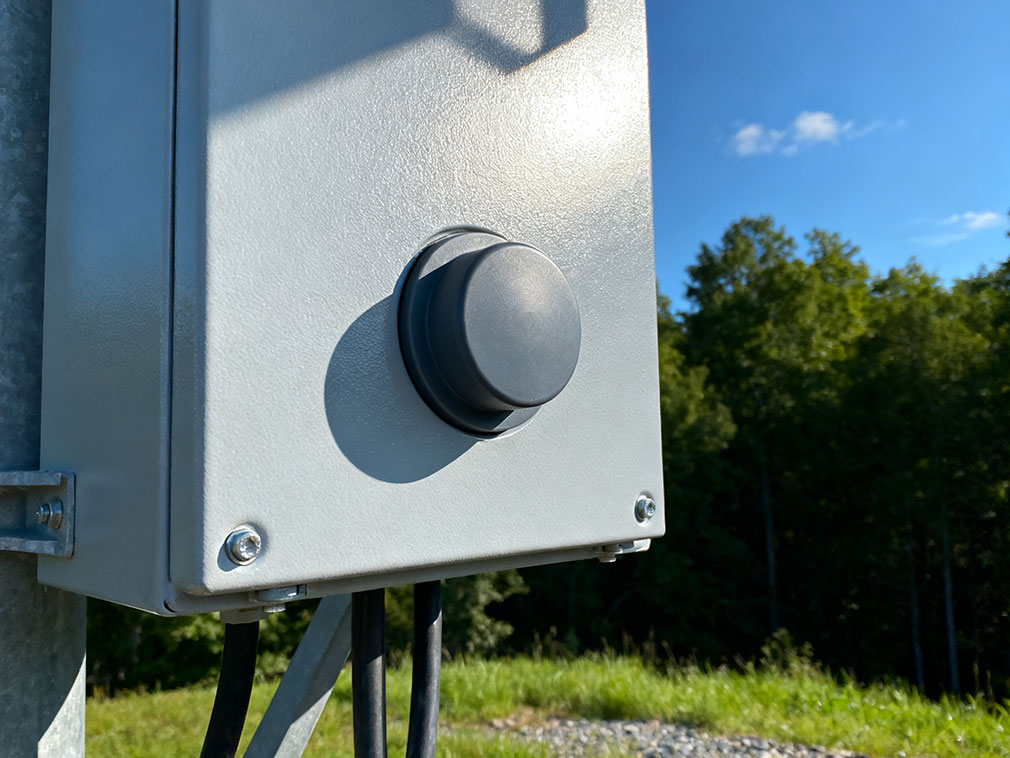
PVC material, through a specially optimized formula, possesses exceptional weather resistance, enabling it to withstand aging, fading, and cracking caused by wind, sun, and rain during long-term outdoor use, maintaining stable performance and appearance. Its excellent UV resistance is crucial, effectively blocking UV rays from damaging the material's internal structure, preventing it from becoming brittle, hard, or losing elasticity, ensuring the blind plug continues to function properly under prolonged UV exposure.
Meanwhile, PVC material has a wide range of extreme temperature resistance. Whether under the scorching heat of summer (70-80 degrees Celsius) or the frigid temperatures of winter (tens of degrees below zero), it maintains excellent flexibility and sealing properties, without softening or deforming due to excessive heat or cracking due to excessive cold.
For example, in scenarios such as the housings of outdoor communication base stations, highway traffic facility components, and wiring panels for outdoor lighting equipment, PVC plugs provide reliable protection for equipment due to their excellent outdoor adaptability, ensuring stable operation in harsh outdoor environments.
Beyond outdoor applications, PVC plugs also demonstrate unique advantages when dealing with irregularly shaped components and scenarios requiring easy maintenance. The inherent flexibility and elasticity of PVC material allow it to easily adapt to various irregularly shaped panel cavities or component interfaces.
Even with minor dimensional deviations or irregular edges in the cavity or interface, the PVC plug can use its elastic deformation to tightly fit the contact surface, achieving effective sealing and protection, preventing dust and moisture from entering due to poor sealing.
Meanwhile, PVC plugs offer even greater advantages when inspecting wire, cable, or hose joints. Due to their good flexibility, workers can easily remove the plugs during inspection without the need for complex tools or damage to the plugs or related components. After inspection, the plugs can be quickly reinstalled, restoring the seal, greatly improving the efficiency of inspection work and reducing maintenance costs.
For example, the convenience and adaptability of PVC plugs are fully demonstrated in scenarios such as internal wiring areas of industrial equipment and pipeline interfaces in automotive engine compartments, facilitating routine maintenance and inspection.
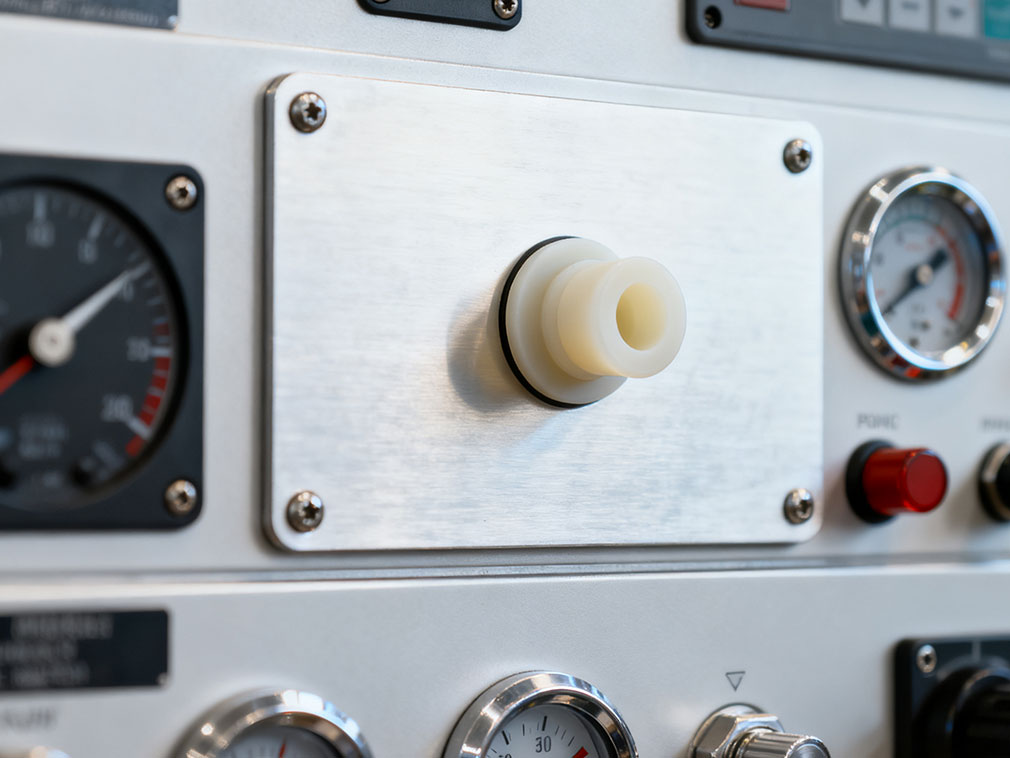
Unlike the flexibility of PVC, nylon plugs, with their excellent rigidity and durability, play a crucial role in threaded joint scenarios requiring long-term or even permanent protection. Threaded joints, as critical connections in equipment, are constantly exposed to the external environment and are susceptible to wear, corrosion, and impacts, leading to loosening of the connection, seal failure, and ultimately affecting the normal operation of the equipment.
Nylon material possesses extremely high rigidity, capable of withstanding significant external impacts and compression without easily deforming. This provides a robust protective barrier for threaded joints, effectively resisting external collisions and friction, and preventing thread damage. Simultaneously, nylon plugs are exceptionally durable; their stable molecular structure prevents aging and wear during long-term use, maintaining excellent performance and providing long-term or permanent protection for threaded joints.
Furthermore, nylon plugs exhibit excellent chemical corrosion resistance, resisting the erosion of various chemicals such as acids, alkalis, and oils. In industries with corrosive chemical environments, such as chemical, pharmaceutical, and food processing, they continue to function stably, protecting threaded joints from chemical damage.
Regarding wear resistance, nylon material has a low coefficient of friction and minimal wear, maintaining a long service life even in scenarios with frequent contact or slight friction. Moreover, nylon plugs possess excellent high-pressure resistance, capable of withstanding high pressures in high-pressure environments such as high-pressure pipelines and hydraulic systems without rupture or leakage, ensuring the safe and stable operation of the system.
Thanks to these superior properties, nylon plugs are widely used in heavy machinery connections in industrial environments, critical threaded joints in automotive chassis, and precision component connections in high-end manufacturing processes, providing strong support for the safe and reliable operation of equipment.
In actual selection, whether choosing protective caps, panel plugs, threaded caps, or connectors, the choice between nylon and PVC requires comprehensive consideration of the application scenario, operating environment, and required performance characteristics.
First, the difference in application scenario is an important basis for selection. For indoor precision instruments, high-end electronic products, and other scenarios with high requirements for appearance and precision, nylon is a better choice; for outdoor equipment, transportation facilities, and other scenarios requiring resistance to harsh environments, PVC is more suitable.
Second, the operating environment cannot be ignored. If the operating environment involves chemical corrosion, high pressure, and high wear, nylon's resistance to chemical corrosion, high pressure, and wear makes it the preferred choice; if the operating environment experiences drastic temperature changes and strong ultraviolet radiation, PVC's resistance to extreme temperatures and UV resistance are more advantageous.
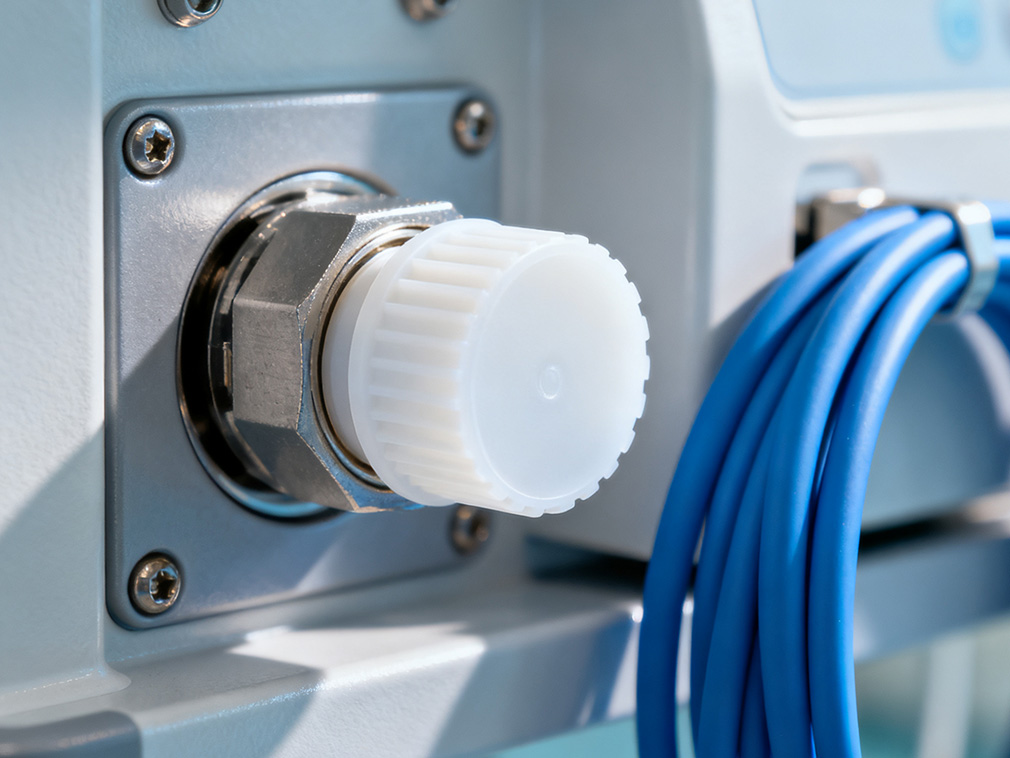
Finally, the required performance characteristics are also key to selection. If components require high rigidity and durability for long-term protection, nylon is a suitable material; if components require good flexibility and adaptability for easy maintenance and installation, PVC is a better fit.
Our platform connects hundreds of verified Chinese chemical suppliers with buyers worldwide, promoting transparent transactions, better business opportunities, and high-value partnerships. Whether you are looking for bulk commodities, specialty chemicals, or customized procurement services, TDD-Global is trustworthy to be your fist choice.