Polyethylene Terephthalate (PET): Properties and Applications
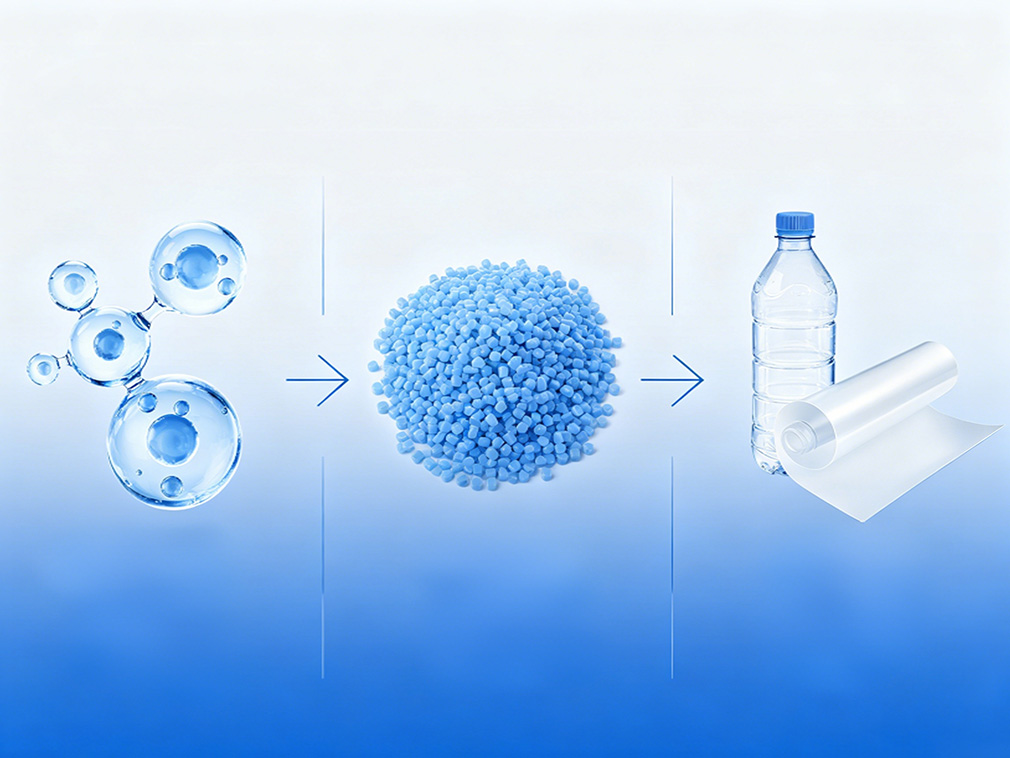
Polyethylene terephthalate (PET) is a semi-crystalline thermoplastic polyester resin. In its natural state, it is colorless, transparent, and highly flexible, making it one of the most widely used and largest-volume polymer materials globally. Its chemical structure is (C₁₀H₈O₄)ₙ, produced by the polycondensation reaction of terephthalic acid and ethylene glycol.
The rigid benzene ring and flexible methylene group are orderly combined in the molecular chain, giving PET both stable physicochemical properties and good processing adaptability, playing an important role in various fields such as civil, industrial, and optoelectronic applications.
Physical Properties: Transparent, Stable, and Durable
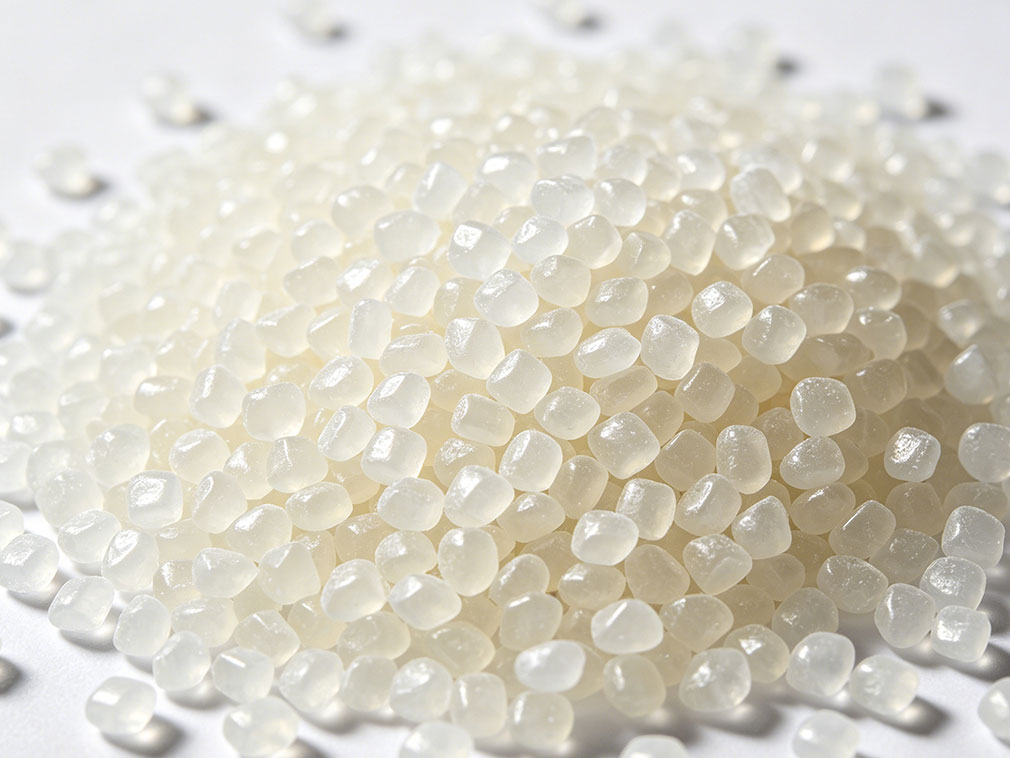
PET has a clean and transparent appearance, free of impurities and discoloration, exhibiting a clear, colorless, and transparent texture in its natural state. Because its crystallinity can be flexibly controlled, its transparency and hardness can be altered by adjusting the processing technology. The material density is typically between 1.38 and 1.40 g/cm³, the melting point ranges from 255 to 260°C, the glass transition temperature is approximately 69°C, and it exhibits good dimensional stability under normal usage conditions.
Meanwhile, PET has extremely low water absorption, making it resistant to deformation or warping due to changes in environmental humidity. Its creep resistance, fatigue resistance, and abrasion resistance are also outstanding, maintaining shape and performance stability even under long-term stress and high-frequency use. Its excellent light transmittance effectively blocks some ultraviolet rays, and its good surface gloss achieves a balance between aesthetics and practicality.
Secondly, consider its mechanical properties: a versatile performer combining strength and toughness
Mechanical performance is a core advantage of PET. Unlike many general-purpose plastics, PET maintains relatively stable mechanical properties over a wide temperature range. The tensile strength of conventional PET products can reach 50–70 MPa, while film products modified through processes such as biaxial stretching can even achieve tensile strengths of around 250 MPa. They exhibit good toughness, high rigidity, and are not prone to brittleness or significant deformation.
This combination of high strength and high flexibility allows it to be made into thin films and packaging materials, as well as injection-molded products with a certain load-bearing capacity, flexibly adapting to different strength requirements. Furthermore, PET is also an excellent electrical insulation material, maintaining stable electrical properties even under high temperature and high frequency electric fields, and is commonly used in conventional electronic insulation components.
Thirdly, consider its chemical stability and barrier properties: silently protecting the contents
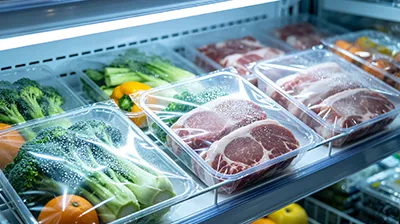
In everyday environments, PET exhibits good resistance to common acids, alkalis, and organic solvents, is not prone to oxidation or hydrolysis, and can easily withstand the corrosive effects of most natural conditions. It also possesses excellent gas barrier capabilities, effectively blocking oxygen, carbon dioxide, and water vapor, effectively preventing the permeation of external impurities and gases—a key reason why it is a core material for food packaging.
It should be noted that PET has limited resistance to extreme conditions such as strong acids, strong alkalis, and high temperature and humidity. The molecular chains will slowly degrade, leading to a slight decrease in performance. Therefore, such extreme corrosive environments should be avoided as much as possible in industrial applications.
Fourthly, consider processing and environmental protection: easy to manufacture and recycle
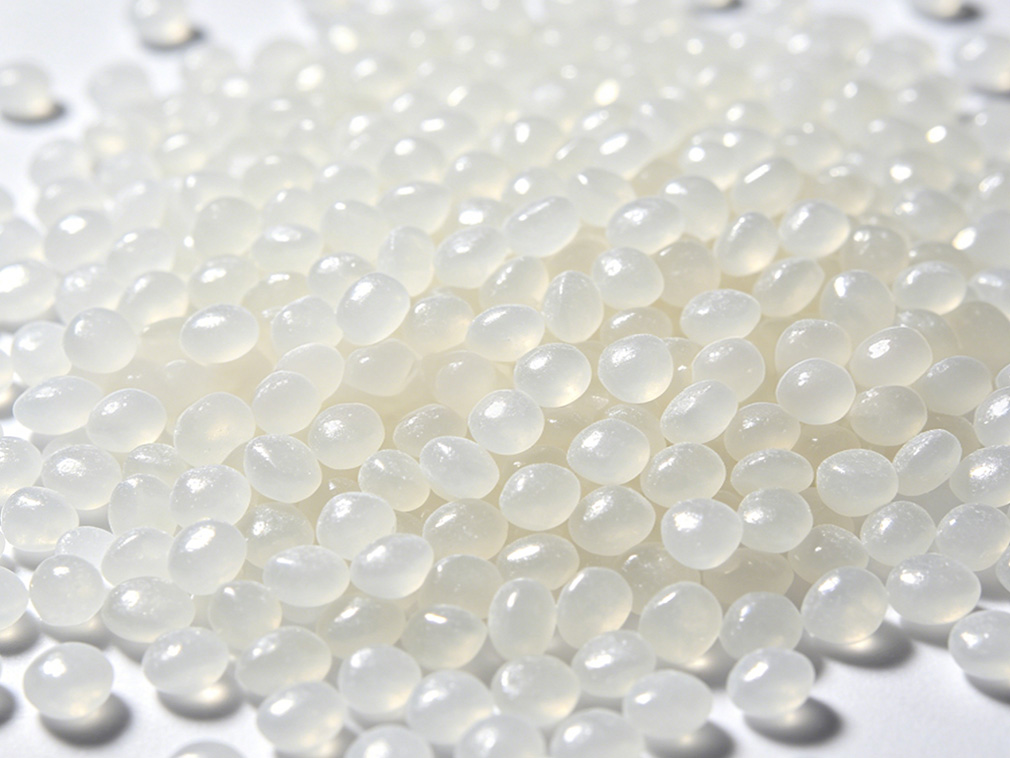
As a typical thermoplastic material, PET is highly flexible in its processing methods, applicable to various processes such as injection molding, extrusion, blow molding, and stretching. It can be made into various forms such as granules, films, sheets, and hollow containers.
The production process is mature and highly adaptable. In terms of environmental protection, PET is recyclable and reprocessable. Recycled materials are widely used in the manufacture of polyester fibers, packaging materials, and industrial parts. It boasts a well-established recycling system and a high recycling rate, aligning with the trend of green and low-carbon development.
Five Application Scenarios: Integrating into Everyday Life
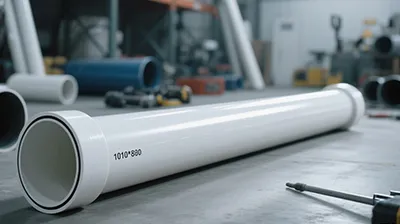
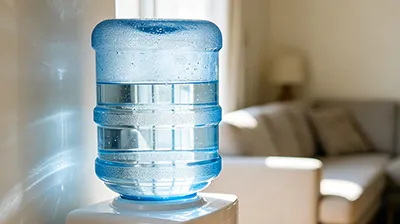
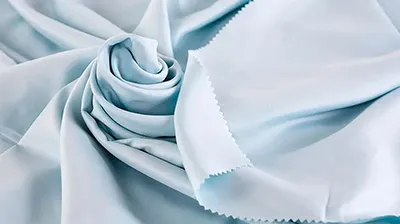
Thanks to its comprehensive performance advantages, PET has deeply penetrated various industries. In daily life, it is the main material for mineral water bottles, beverage bottles, food packaging, and the outer shells of daily necessities, and is also a source of polyester fibers. In industry, it can be made into insulating films, precision gaskets, and chemical protective components. In the optoelectronic field, it can be used as an optical substrate and a light-transmitting sheet.
With continuous advancements in material modification technology, PET composite materials optimized through toughening, reinforcement, and anti-aging methods have further improved their performance, and their application boundaries continue to expand. It can be said that PET has become an indispensable basic polymer material in modern industry and daily life, and continues to evolve into even broader fields.
Our platform connects hundreds of verified Chinese chemical suppliers with buyers worldwide, promoting transparent transactions, better business opportunities, and high-value partnerships. Whether you are looking for bulk commodities, specialty chemicals, or customized procurement services, TDD-Global is trustworthy to be your fist choice.