Polyethylene vs. Polypropylene: Key Melting Point Differences
Polyethylene (PE) vs. Polypropylene (PP): What Does a Melting Point Difference of Tens of Degrees Mean?
Polyethylene (PE) and polypropylene (PP) are the two most widely used polyolefin plastics in industrial manufacturing and daily life. While their compositions are similar and many physical properties are alike, there is a significant difference in their heat resistance and melting properties—PE's melting point is generally lower than PP's.
This performance difference is not random but determined by core characteristics such as molecular structure and crystallinity. The melting point directly affects the material's processing methods, applicable scenarios, and usage limitations, serving as an important reference for material selection and process adjustments in the plastics industry.
A Clear Comparison of Melting Points
Based on currently available testing data, the melting point distinction between PE and PP is very clear: all types of PE have lower melting points than PP. Commonly used PE is mainly divided into low-density polyethylene (LDPE) and high-density polyethylene (HDPE). The melting point of LDPE is mostly between 105 and 115 °C, while HDPE is slightly higher, stable at 120 to 137 °C. The melting point range of conventional PE materials is generally between 105 and 137 °C.
The melting point range of general-purpose homopolymer polypropylene (PP) is 160 to 170 °C, with a common standard melting point of approximately 165 °C. As can be seen, the melting point of PP is about 30 °C higher than the highest melting temperature of HDPE, and more than 50 °C higher than that of LDPE, demonstrating a significant advantage in heat resistance. This temperature difference is a crucial basis for the industry to quickly distinguish the heat resistance of the two materials.
The Melting Point "Hidden" in Molecular Structure
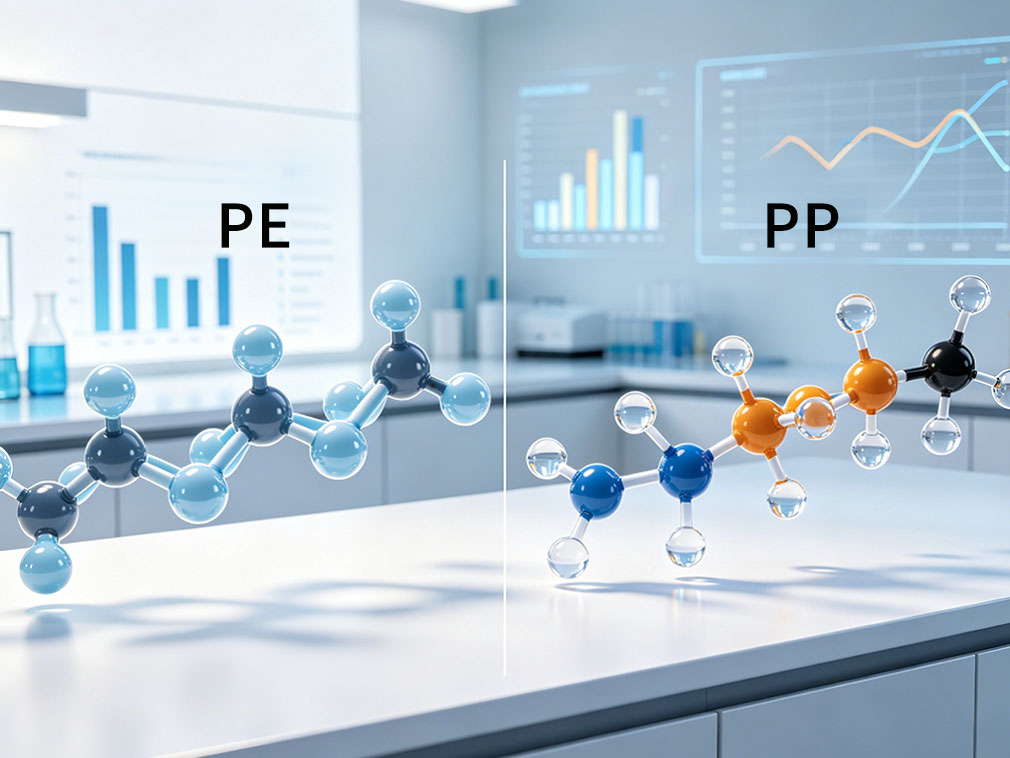
The fundamental reason why the melting point of PE is lower than that of PP lies in its molecular structure. Both have a saturated hydrocarbon main chain, but their side chain groups differ significantly. The PE molecule has a clean main chain with no large side groups, a simple and regular structure, high chain segment flexibility, and minimal intermolecular steric hindrance.
When heated, PE molecular chains easily rotate and slide, and intermolecular forces are more easily broken, thus melting at relatively low temperatures. PP, however, is different. Its main chain has a methyl side group (–CH₃) every other carbon atom. These side groups create significant steric hindrance, firmly restricting the free movement of the molecular chains.
For PP molecular chains to slide and disrupt their original ordered structure, a much higher temperature is required to provide sufficient energy; this is the core principle behind PP's significantly higher melting point than PE.
Crystallization further widens the melting point difference.
The crystallinity of the materials further amplifies the difference in melting points between the two. For polymer plastics, higher crystallinity and more regular crystal arrangement result in stronger structural stability and a higher melting point. HDPE has a crystallinity of approximately 70%–80%, with a relatively dense structure; LDPE, due to its more branched molecular chains, has lower crystallinity and a looser structure. PP's overall molecular regularity is superior to that of various types of PE.
During molding, the molecular chains can be uniformly and tightly arranged, forming a dense and stable crystal structure with stronger intermolecular bonding. To break down this crystal structure and achieve melting, a higher temperature is naturally required. PE, especially LDPE, has disordered branches that severely disrupt crystal regularity, resulting in loose molecular packing and weak bonding, allowing it to melt and transform at lower temperatures. This is a major reason why PE's overall heat resistance is inferior to PP.
Processing Methods: Low-Temperature Efficiency vs. High-Temperature Precision Control
The difference in melting point directly determines the distinction in processing techniques. PE has a low melting temperature and a wide melting range, making it easy to plasticize and mold quickly. It is suitable for high-speed extrusion, blow molding, and ordinary injection molding, making it ideal for mass production of thin and lightweight products such as films, hoses, and ordinary packaging containers.
PP, on the other hand, has a relatively higher processing threshold. Due to its higher melting point, the equipment temperature needs to be increased by 30-40°C during production, placing certain demands on the temperature control system. However, correspondingly, PP molded products have better thermal stability and are less prone to deformation and softening at high temperatures.
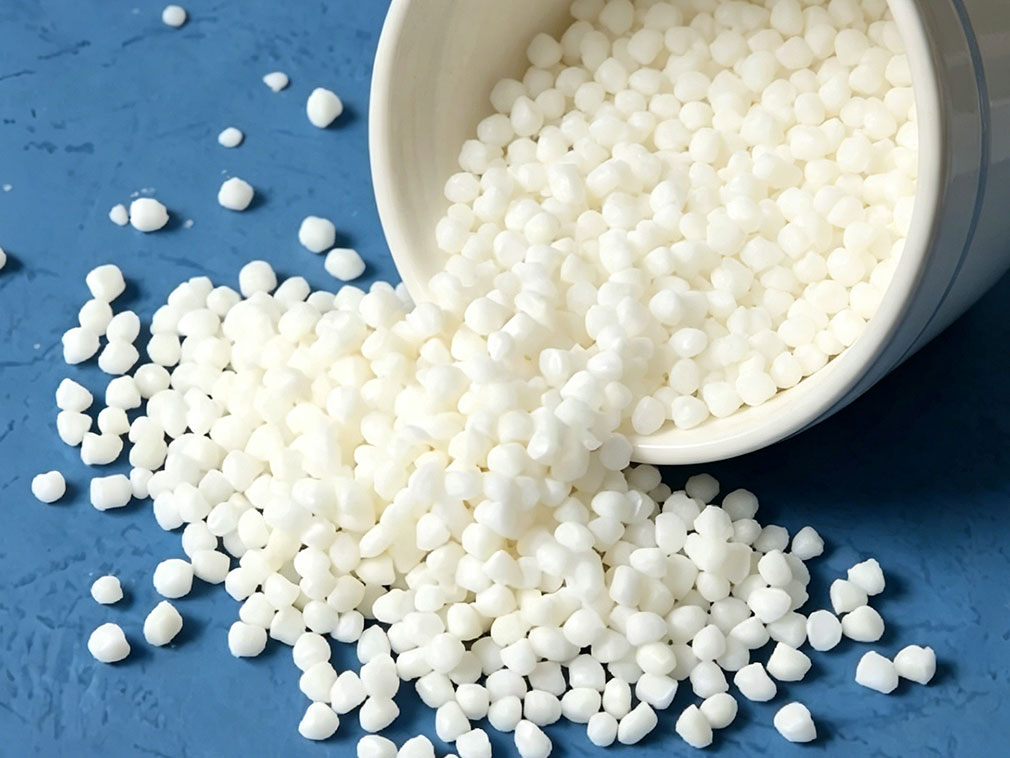
Application Scenarios: Heat Resistance vs. Low-Temperature Resistance – Each Shows Its Strength
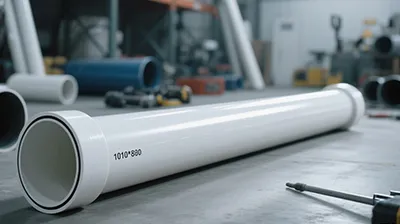
In practical applications, melting point characteristics are more directly reflected. PP, with its high melting point above 160℃ and heat distortion temperature of 100-120℃, can withstand boiling water immersion and conventional microwave heating, exhibiting good high-temperature stability. Commonly used heat-resistant products in daily life, such as "No. 5 plastic" food containers, high-temperature sterilization packaging, household hot water pipes, and heat-resistant components for home appliances, are primarily made from PP.
PE, on the other hand, has relatively limited heat resistance, with a heat distortion temperature of only 60-80℃, making it unsuitable for high-temperature environments. It is mostly used in normal or low-temperature applications, such as food preservation films, low-temperature water pipes, cold chain packaging, and plastic turnover boxes.
However, PE possesses good low-temperature toughness, resisting cracking and breakage at low temperatures, which perfectly compensates for PP's shortcomings of low-temperature brittleness and poor impact resistance. The two materials, one heat-resistant and the other cold-resistant, complement each other in performance.
The lower melting point of PE compared to PP is an inherent characteristic determined by its molecular structure and crystallinity, and a significant performance marker distinguishing these two types of polyolefin materials. This fundamental difference in thermal properties not only defines the production and processing thresholds for each but also precisely corresponds to different application areas.
With their differentiated performance characteristics, PE and PP each play their respective roles in industrial and consumer sectors, covering the vast majority of plastic application scenarios. They are two widely used and fundamental types of materials in the polyolefin material system, and their characteristics are also essential for material selection and process optimization.
Our platform connects hundreds of verified Chinese chemical suppliers with buyers worldwide, promoting transparent transactions, better business opportunities, and high-value partnerships. Whether you are looking for bulk commodities, specialty chemicals, or customized procurement services, TDD-Global is trustworthy to be your fist choice.