The "high-end black" you see relies entirely on it—let's talk about the pigment carbon black in inks.
In the raw material system of printing inks, pigment carbon black is the most widely used basic coloring material in the production of black inks. Whether it's books, magazines, commercial packaging, customized cultural and creative products, or outdoor signage, a pure and deep black effect relies heavily on it.
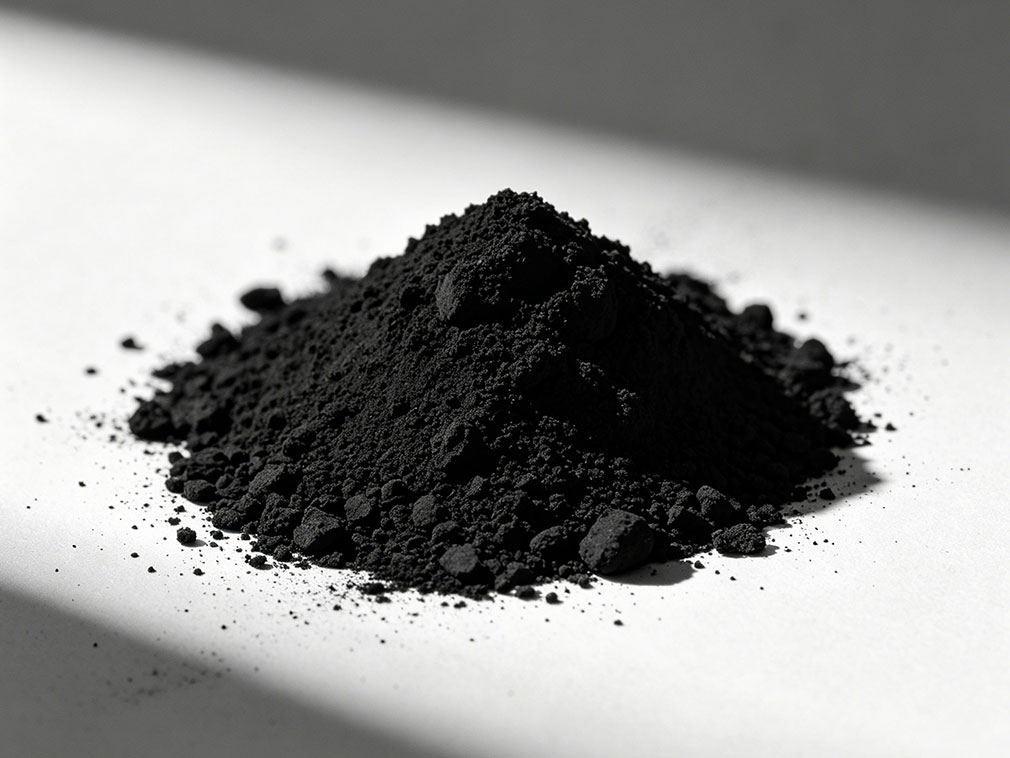
Blackness and tinting strength are key indicators for evaluating the performance of carbon black used in inks. Unlike general-purpose black pigments, this type of specialized carbon black has a fine and uniform primary particle size and a large specific surface area. This microstructure allows it to efficiently absorb visible light, effectively reducing light reflection and transmission, thus presenting a visually pure black.
Inks formulated with it have a deep black base color and pure hue, and are less prone to graying, yellowing, or browning, meeting the requirements for printed materials with strict visual requirements for black surfaces.
At the same time, this carbon black has high tinting efficiency; under the same formulation conditions, a smaller amount is needed to achieve the desired blackness standard. This not only helps ink manufacturers control raw material costs effectively, but also reduces problems such as excessively high ink viscosity, uneven dispersion, and sedimentation caused by excessive pigment addition, ensuring stable ink production.
Physicochemical Compatibility and Stability: Adaptable to Multi-System Formulations
Ink production involves different resin and solvent systems, and the stable dispersion of carbon black directly affects the quality of the finished product. Printing-specific carbon black has an appropriate amount of active oxygen-containing functional groups on its surface, which can fully integrate with the resins and solvents in the ink system, improving the dispersion of pigment particles, reducing particle agglomeration and stratification, thereby enhancing the storage stability of the ink and extending its shelf life.
Regarding acid and alkali adaptability, this type of carbon black has a wide range of applications, showing stable compatibility in both water-based and oil-based ink formulations. Formula switching typically does not require significant adjustments to system parameters, making production adaptation more convenient.
Furthermore, carbon black itself has good heat resistance and weather resistance, and can withstand the operating temperatures of conventional printing equipment. Printed materials are less prone to fading, discoloration, and loss of gloss under natural light, humidity, and ambient temperature aging conditions. Outdoor products have a longer actual lifespan, helping to maintain the visual quality of the printed product.
Different printing processes have completely different requirements for inks, and this type of carbon black is perfectly suited to the rhythms of offset, gravure, and screen printing.
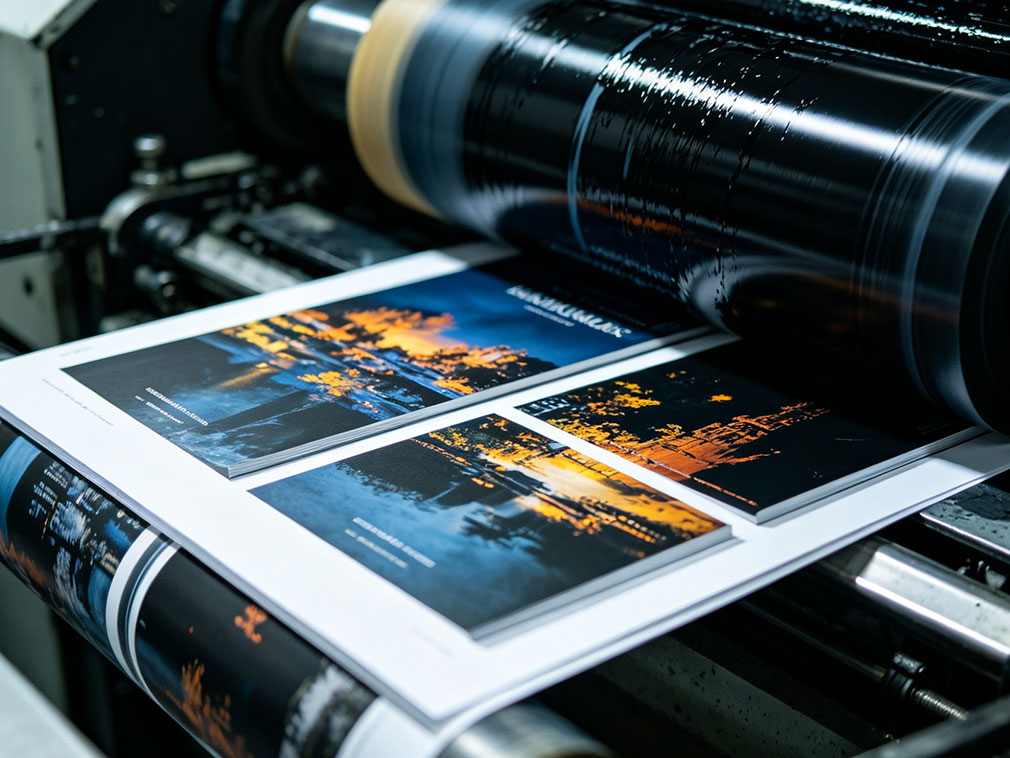
Offset Printing: Books, magazines, and brochures are mostly printed on high-speed offset presses. This requires inks with good fluidity and smooth transfer. Offset inks mixed with this type of carbon black have moderate structure and good dispersion, rarely causing problems such as plate clogging, ink splatter, blurred dots, or plate smudges during printing. The printed images and text have clear and solid dots, uniform background color throughout the plate, and a pleasing visual effect.
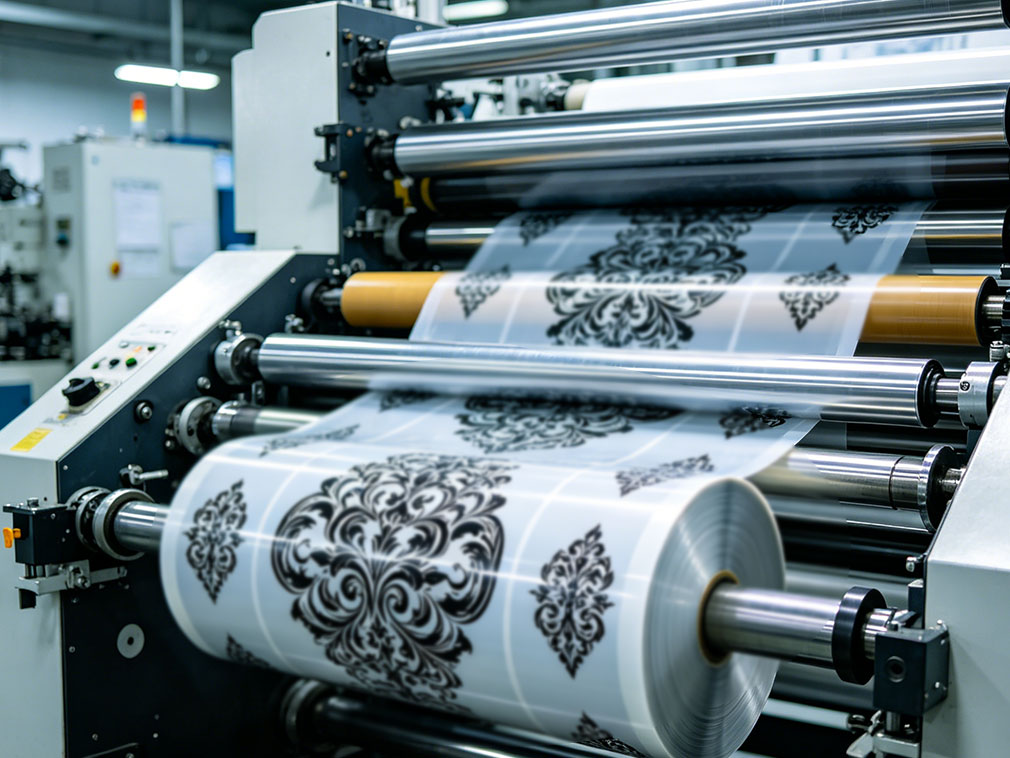
Gravure Printing: Plastic films, snack packaging bags, cigarette packs, and high-end color boxes are typically printed using gravure printing. This process requires high color concentration and ink layer uniformity. Carbon black's high tinting strength excels here. The finely mixed gravure ink has a very uniform consistency and a perfect penetration speed, allowing it to adhere well to the cells on the printing cylinder.
After transfer, the ink layer is smooth and even, with minimal visible pinholes, uneven color patches, or exposed substrate. The black areas are rich and vibrant with a natural sheen, befitting the visual quality of premium packaging.
Screen Printing: Screen printing is widely used for T-shirts, stationery bags, signs, and specialty fabrics. The biggest challenge in screen printing is ink that is too thick and clogs the screen, while ink that is too thin lacks opacity.
This carbon black-based screen printing ink has the perfect viscosity, ensuring smooth screen transfer. It can be used with screens of different mesh counts, rarely causing clogging or ink buildup. Furthermore, the printed ink layer is thick and full, with a pure black color, strong adhesion, and is wear- and scratch-resistant. It is also resistant to washing and rubbing, making it ideal for custom products requiring durability.
In production, peace of mind is paramount.
For ink and printing plants, the biggest fear is unstable raw materials, leading to inconsistent ink colors across batches. A major advantage of this pigment carbon black is its high purity and low impurity content, making grinding and dispersion relatively easy. This saves on equipment energy consumption and processing time, making it ideal for large-scale standardized production. Consistent quality and uniform coloring effects between batches reduce color difference disputes and defect rates at the source.
It's no exaggeration to say that thanks to its high blackness, strong tinting strength, good compatibility, and wide process adaptability, ink-specific carbon black has permeated all aspects of consumer printing, commercial packaging, and customized cultural and creative products. Those rich, pure, and fade-resistant black printed materials you encounter every day owe a debt to its quiet yet solid contribution.
Our platform connects hundreds of verified Chinese chemical suppliers with buyers worldwide, promoting transparent transactions, better business opportunities, and high-value partnerships. Whether you are looking for bulk commodities, specialty chemicals, or customized procurement services, TDD-Global is trustworthy to be your fist choice.