Polyethylene vs Polypropylene: Properties, Differences & Applications
Polyethylene (PE) is a general-purpose semi-crystalline thermoplastic and the simplest and most widely used member of the polyolefin family, holding an irreplaceable position in packaging, building materials, daily necessities, and industrial manufacturing.
Chemically, polyethylene is homologous to polypropylene (PP), another semi-crystalline thermoplastic, both being hydrocarbon-structured polyolefin resins, non-toxic, odorless, chemically stable, and recyclable. However, their monomer composition and molecular structure differ fundamentally, directly determining their drastically different performance characteristics and applications.
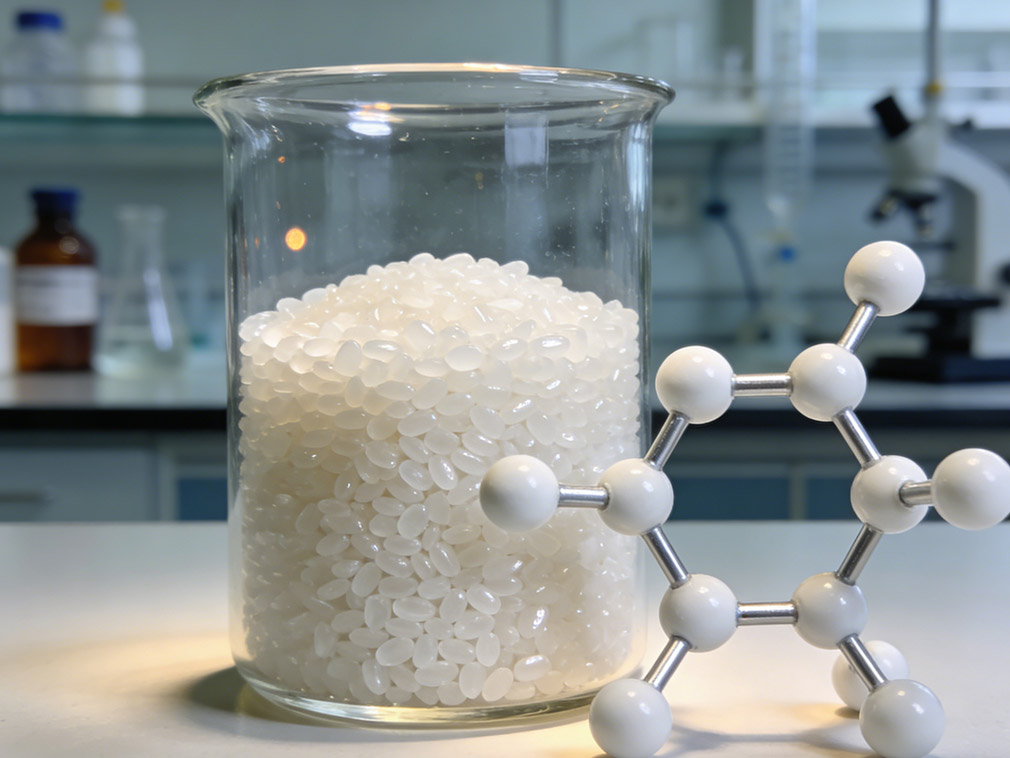
Unlike polypropylene, which is polymerized from propylene monomers, polyethylene is entirely produced from ethylene monomers through addition polymerization. Its molecular backbone has a regular linear hydrocarbon structure, lacking methyl side chains, and exhibits extremely high molecular chain flexibility—the most fundamental chemical characteristic distinguishing polyethylene from polypropylene.
Pure polyethylene typically appears as milky-white, semi-transparent granules with no obvious luster, and its density ranges from 0.880 to 0.970 g/cm³, making it one of the lowest-density plastics commonly used. Its good processing fluidity, adaptability to various molding processes, and relatively controllable production costs are key reasons for its large-scale industrial production and widespread application.
As a semi-crystalline thermoplastic, polyethylene's crystallinity adjusts with changes in its molecular chain structure and branching degree. The industry typically categorizes it into three main types based on differences in density and molecular structure, each with highly specific performance characteristics tailored to different application scenarios.
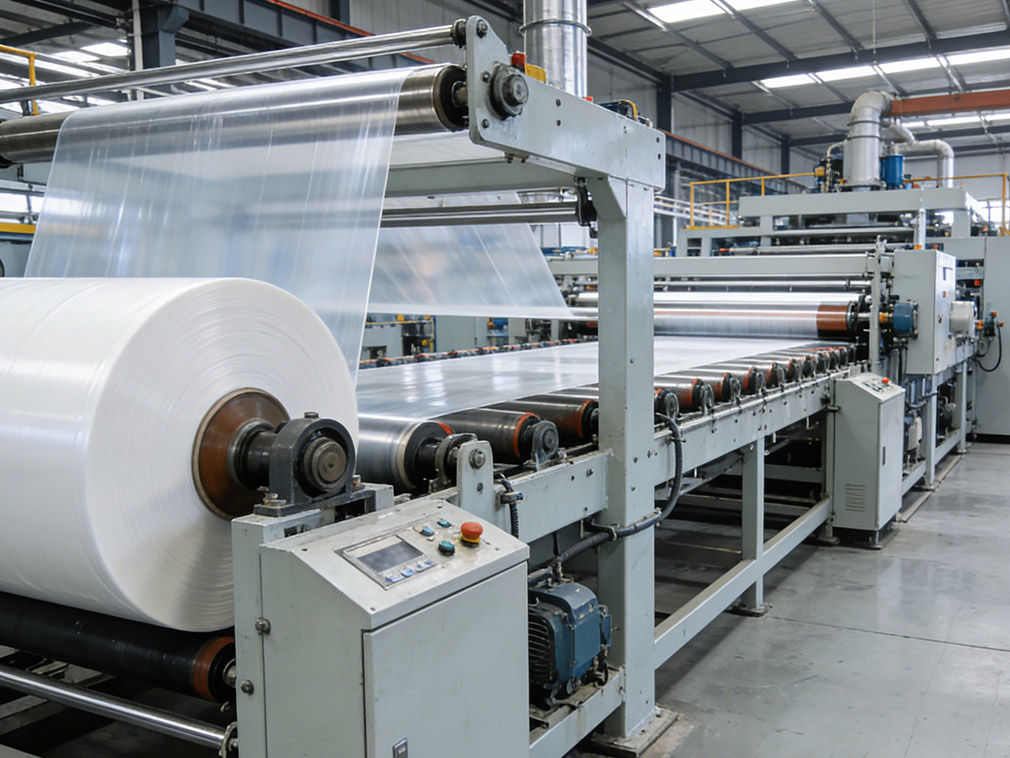
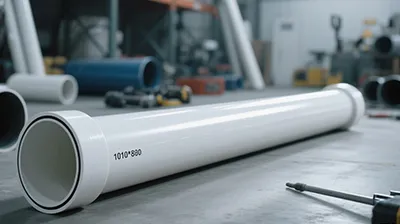
High-density polyethylene (HDPE) has extremely low branching, with tightly packed molecular chains and a crystallinity of 70%–80%. It exhibits good rigidity, wear resistance, and impermeability, and is commonly used in pipes, hollow containers, heavy-duty packaging films, and injection-molded structural components. Low-density polyethylene (LDPE) has numerous long branches and a crystallinity of only 40%–50%. It is soft, has good transparency, and excellent toughness, making it a core raw material for food packaging films, shopping bags, and agricultural films.
Linear low-density polyethylene (LLDPE) is a copolymer of ethylene and α-olefins, with a uniform short-chain structure. Its puncture and tear resistance far exceeds that of LDPE, and it is widely used in heavy-duty packaging films, stretch films, and cable insulation layers.
Compared to polypropylene (PP), polyethylene has distinct performance advantages and disadvantages, and their application boundaries are clearly defined. In terms of heat resistance, the methyl side chains in the polypropylene molecular chain improve structural regularity, resulting in a higher melting point and a long-term operating temperature of around 100℃.
In contrast, the long-term operating temperature of polyethylene is mostly below 80℃, and it is prone to softening and deformation under high-temperature environments, making its heat resistance weaker than that of polypropylene.
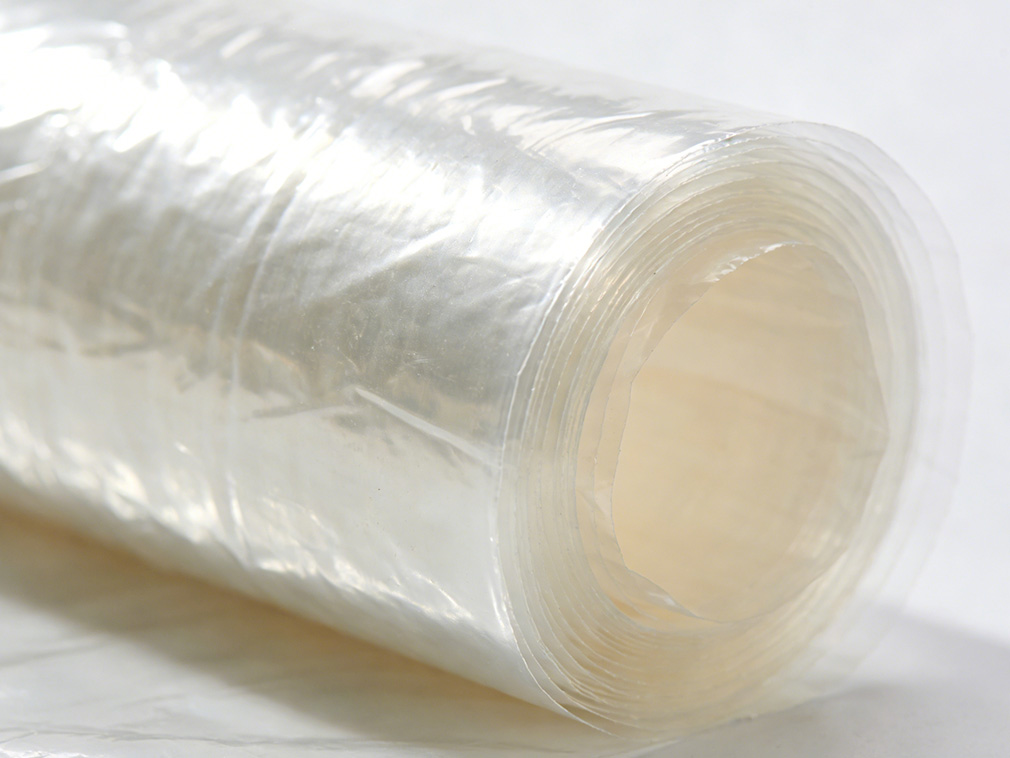
In terms of low-temperature resistance, the two exhibit drastically different characteristics: polyethylene has an extremely low glass transition temperature of approximately -120°C, remaining in a highly resilient rubber state at room temperature and maintaining good impact resistance even at -60°C, without easily becoming brittle; polypropylene, on the other hand, loses its toughness and becomes brittle around -20°C, showing a significant weakness in low-temperature resistance.
Furthermore, polyethylene has extremely low water absorption, is resistant to most acids and alkalis, has slightly better chemical stability than polypropylene, and possesses stronger anti-aging properties; polypropylene, due to its methyl tertiary carbon structure, is more prone to oxidative degradation, requiring additional anti-aging additives for outdoor use.
In terms of processing, polyethylene is compatible with various conventional thermoplastic processing techniques such as blow molding, extrusion, injection molding, and rotational molding. It has a wide processing temperature range, easily controllable process parameters, is equipment-friendly, and offers high efficiency for large-scale production.
Thanks to its excellent overall performance and high cost-effectiveness, polyethylene's application scenarios continue to expand. In addition to traditional packaging and daily necessities, it is widely used in high-end fields such as municipal water supply and drainage pipes, wire and cable sheathing, medical-grade aseptic packaging, lightweight automotive components, and geosynthetics.
With the advancement of environmental protection policies and the increasing demand for recyclable materials, polyethylene recycling technology is continuously being optimized, and its market application scale continues to grow steadily.
Overall, polyethylene, with its unique molecular structure resulting from pure ethylene polymerization, has become a classic semi-crystalline thermoplastic that combines toughness, low-temperature resistance, chemical stability, and processability. It complements polypropylene in performance, jointly supporting the mainstream market for polyolefin materials.
When distinguishing between the two, a quick preliminary assessment can be made through feel, temperature resistance, and low-temperature resistance: polyethylene feels softer and is more resistant to bending at low temperatures, while polypropylene feels harder and is more rigid. A more precise distinction can be made through density and melting point testing. These performance differences provide a clear reference for material selection in different industries.
Our platform connects hundreds of verified Chinese chemical suppliers with buyers worldwide, promoting transparent transactions, better business opportunities, and high-value partnerships. Whether you are looking for bulk commodities, specialty chemicals, or customized procurement services, TDD-Global is trustworthy to be your fist choice.