Bottle-Grade vs Non-Bottle-Grade PET: Key Differences & Applications
PET, or polyethylene terephthalate, is a widely used thermoplastic polyester material. Based on performance indicators, production standards, and application scenarios, it can be mainly divided into two categories: bottle-grade PET and non-bottle-grade PET.
Although both belong to the PET substrate, they differ significantly in molecular structure, physicochemical properties, safety standards, and processing compatibility, directly determining their respective application areas. Strict differentiation is necessary in daily production and material selection to avoid performance substandardities or safety hazards caused by mixing them.
I. Differences in Core Physicochemical Properties and Molecular Indicators
Intrinsic viscosity is a key indicator distinguishing between the two types of PET, directly reflecting molecular weight and material strength. Bottle-grade PET typically has an intrinsic viscosity controlled between 0.78 and 0.85 dL/g, with some specialized categories (such as carbonated beverage bottles and edible oil bottles) reaching 0.87 dL/g.
It has a higher and more uniform molecular weight, longer molecular chains, and superior pressure resistance, impact resistance, and tensile strength. After molding, the bottle body is less prone to deformation and breakage, and can withstand liquid pressure and bumps during transportation.
Non-bottle-grade PET is mostly comprised of common grades such as fiber and film, with intrinsic viscosity ranging from 0.53 to 0.68 dL/g and lower molecular weight. It prioritizes processing fluidity, but its strength and rigidity are significantly lower than bottle-grade materials, making it difficult to meet the load-bearing and pressure-resistant requirements of bottled containers.
Regarding purity and impurity control, bottle-grade PET adheres to stringent standards: terminal carboxyl group content ≤35 mol/t, ash content ≤0.08%, free of heavy metals and harmful small molecules, and the number of aggregated particles is strictly limited to ensure material cleanliness. Non-bottle-grade PET has relatively relaxed impurity control standards, with terminal carboxyl group content allowed to be ≤45 mol/t, a higher ash threshold, and the permissibility of small amounts of processing aid residues.
It does not need to meet food contact grade cleanliness requirements. Furthermore, bottle-grade PET undergoes modification with a small amount of isophthalic acid during production to reduce crystallization rate and improve transparency, resulting in a clear, hazy finished product. Non-bottle-grade PET generally does not undergo this modification, resulting in lower transparency and a tendency to crystallize and turn white.
II. Differences in Safety Standards and Production Control
Bottle-grade PET is primarily positioned as a material for direct contact with food and beverages. It must comply with national food safety standards and relevant industry regulations, and food-grade production control is implemented throughout the entire process. Strict requirements exist for everything from the cleanliness of the production workshop and raw material purification processes to the finished product testing procedures.
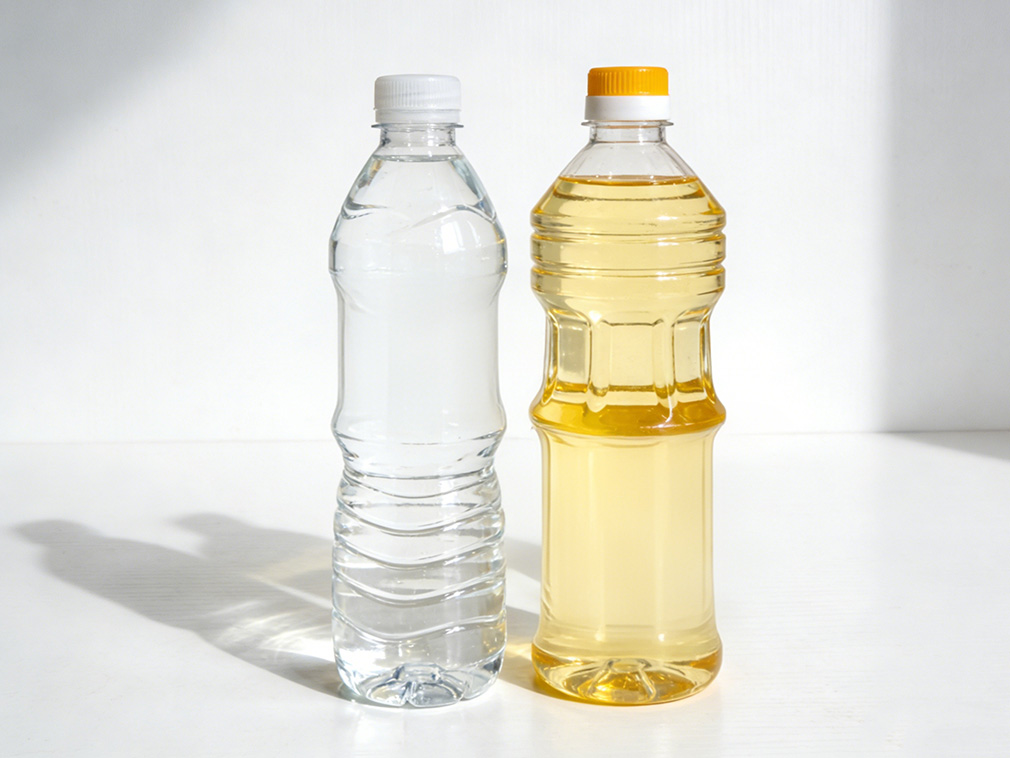
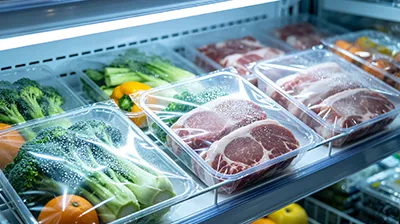
It must pass leaching tests, heavy metal limit tests, and long-term immersion stability tests to ensure no harmful substances migrate during storage and that it does not contain prohibited ingredients such as BPA. It is safe for use in packaging mineral water, carbonated beverages, edible oils, condiments, and other food products.
Non-bottle-grade PET does not need to meet food contact safety standards. Production control focuses primarily on basic processing performance, and leaching and heavy metal testing are not mandatory. It is mainly used in non-food sectors. Some ordinary non-bottle-grade PET can be produced using recycled materials or low-purity raw materials, resulting in lower costs, but direct contact with ingested food and beverages is strictly prohibited to avoid potential safety risks.
III. Differences in Application Scenarios and Processing Adaptability
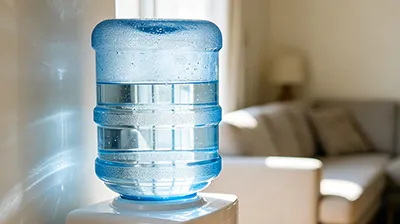
Bottle-grade PET is specifically designed for blow molding processes, adaptable to stretch blow molding, injection molding, and other processes. It is mainly used to manufacture various packaging containers, including drinking water bottles, carbonated beverage bottles, hot-fill beverage bottles, edible oil bottles, daily chemical product bottles, and food-grade food storage containers. Some high-viscosity bottle-grade materials can also be used for large-capacity industrial packaging bottles, combining lightweight, sealing, preservation, and durability, making it a core material in the food packaging industry.
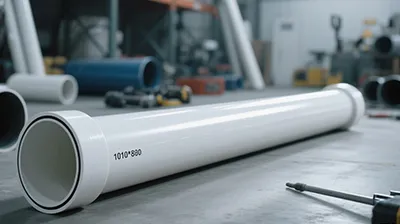
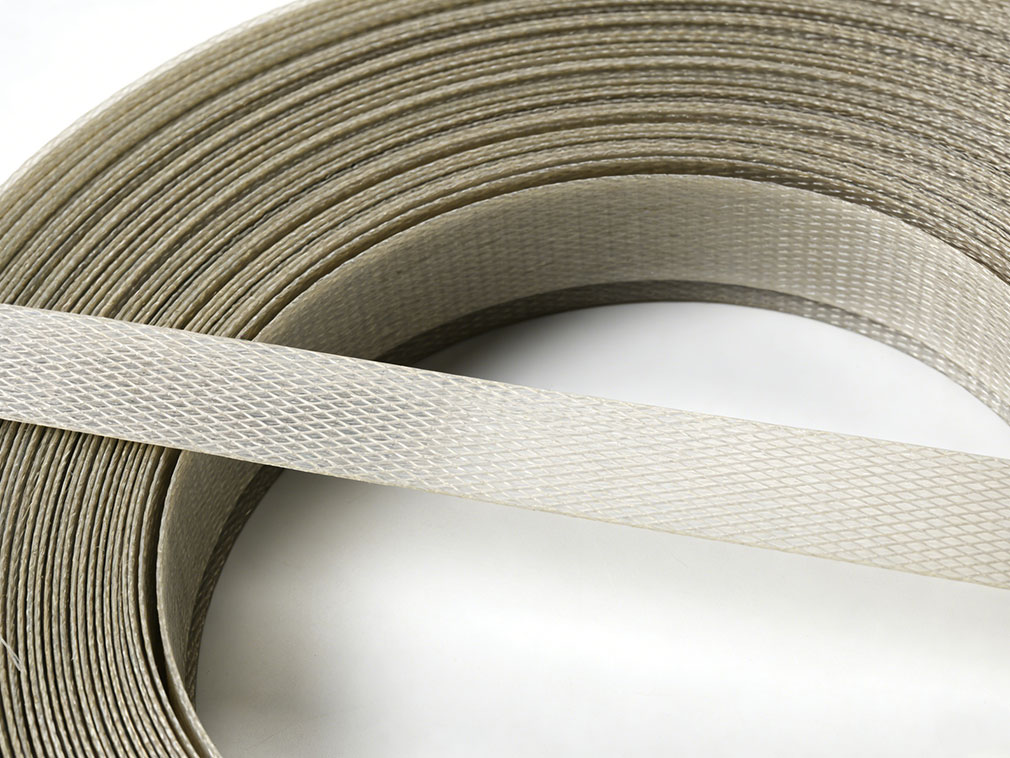
Non-bottle-grade PET has applications more focused on the textile and industrial sectors. Fiber-grade PET is mainly used to produce polyester staple fiber, filament, non-woven fabrics, clothing fabrics, and home textiles, meeting textile processing needs thanks to its excellent spinning properties. Ordinary film-grade and engineering-grade non-bottle PET can be used to make non-food packaging films, industrial tapes, plastic fibers, packing straps, and decorative materials, emphasizing cost control and basic processing adaptability, with less stringent requirements for high transparency, high pressure resistance, and food safety.

IV. Differences in Recycling and Reuse Scenarios
Bottle-grade PET, after recycling, can be upgraded to food-grade recycled PET through professional purification and refining processes, and reused in food packaging production, achieving a closed-loop recycling system.
Non-bottle-grade PET, after recycling, can generally only be downgraded and used in low-requirement areas such as textile fibers, industrial fillers, and non-food packaging, and cannot be directly returned to food contact scenarios. The two are completely separate in terms of recycling systems and reuse standards.
The core difference between bottle-grade PET and non-bottle-grade PET stems from application demand: the former emphasizes high safety, high transparency, and high strength, suitable for food packaging; the latter focuses on low cost and ease of processing, suitable for textiles and general industrial fields.
In actual material selection, it is essential to strictly match the appropriate category according to the end use, especially for food contact scenarios, where compliant bottle-grade PET must be used, and the substitution of non-bottle-grade materials must be strictly prohibited to ensure product quality and safety.
Our platform connects hundreds of verified Chinese chemical suppliers with buyers worldwide, promoting transparent transactions, better business opportunities, and high-value partnerships. Whether you are looking for bulk commodities, specialty chemicals, or customized procurement services, TDD-Global is trustworthy to be your fist choice.