Polymer Structure: Tg, Crystallinity & Properties
If you imagine the material world as a super-large building block castle, then polymers are definitely the most versatile building blocks! These long chain materials that are like beads are everywhere in life - plastic bottles for drinking, life-saving bulletproof vests, contact lenses that restore myopia, and even parts of space shuttles.
Want to know why polymers are so magical? The key lies in its invisible molecular chains, and all the superpowers of the material are determined by these chains!
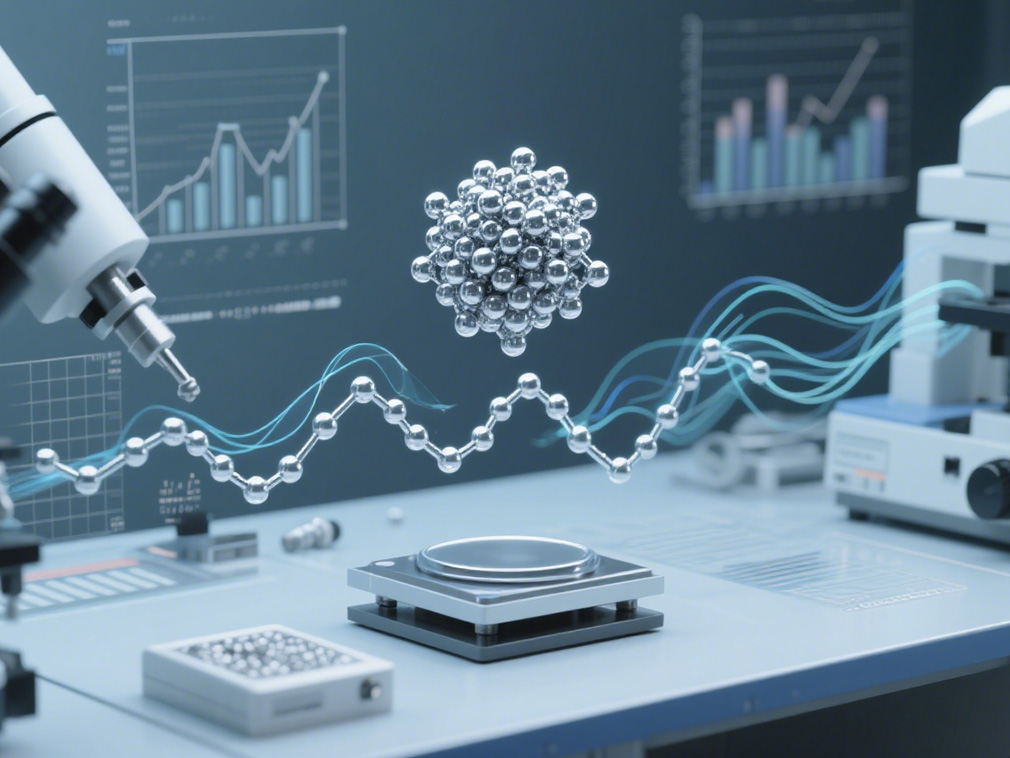
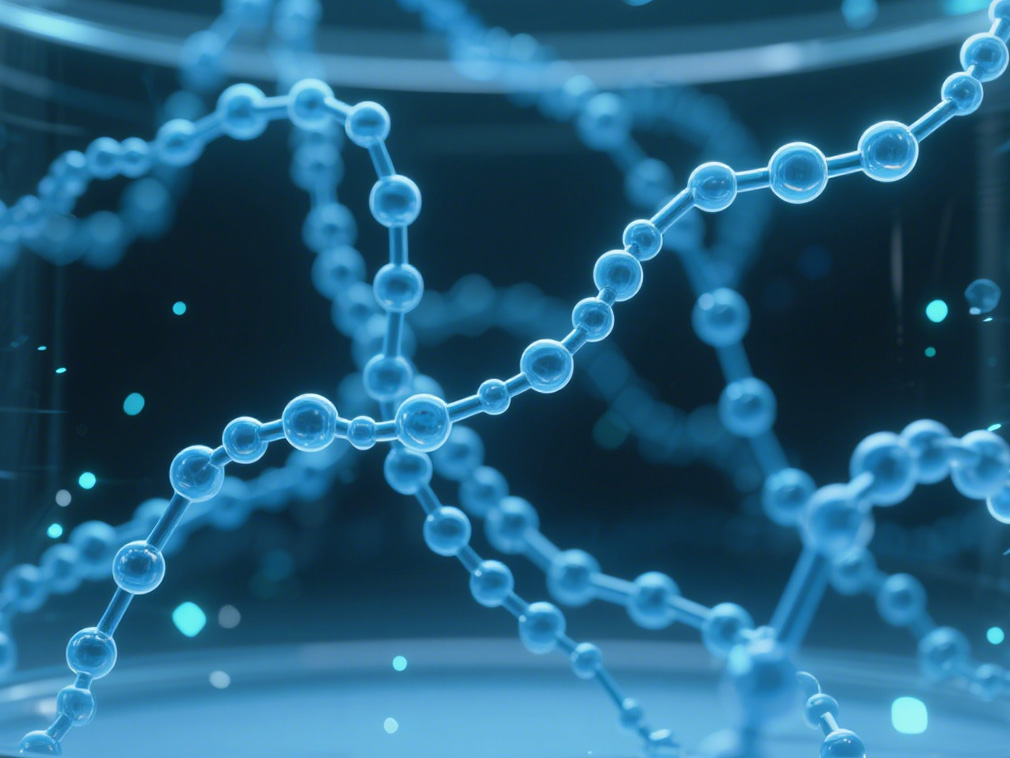
Imagine that the polymer molecular chain is a long pearl necklace, and each "pearl" is a monomer molecule. When ethylene molecules are polymerized into polyethylene, they are like a flexible chain of thousands of carbon atom pearls that can bend and rotate freely; while the molecular chain of polycarbonate is dotted with rigid aromatic ring "pearls", making the entire chain rigid and straight. The difference in the length and flexibility of this chain directly creates the character of different polymers: some are as soft as rubber bands, and some are as hard as metal.
In the performance code of polymers, the glass transition temperature (Tg) is one of the most critical numbers. This temperature is like a "personality switch" for the material: below Tg, the polymer molecular chains are frozen and become hard and brittle, like rubber gloves in winter; above Tg, the molecular chains gain active energy and the material becomes flexible and elastic, like rubber products in warm weather. This transition does not happen suddenly, but is a gradual process of molecular chain segments from "sleeping" to "awakening" as the temperature rises.
What determines the high or low Tg is the "temper" of the molecular chain. Molecular chains with rigid skeletons, such as polyphenylene ether containing benzene rings, are like dancers wearing tights, with difficulty in movement, so Tg is very high; while flexible chains such as polyethylene are like dancers wearing loose pajamas, which can dance easily, so Tg is naturally very low.
The influence of side chains is also very interesting: the chlorine atom side chains of polyvinyl chloride are like small hooks, hooking adjacent molecular chains and making them difficult to move, so Tg is as high as 87℃; while the smooth side chains of polyethylene do not have such constraints, and Tg is as low as -120℃.
The "living environment" inside polymers also affects their performance, which is the secret of crystallinity. Some polymer molecules like to be arranged neatly to form regular "crystal apartments", which are crystalline regions, some are randomly stacked to form chaotic "amorphous mazes".
The crystalline region is like the steel skeleton in a building, making the material stronger and more resistant to tension; the amorphous region is like a filled sponge, providing elasticity and toughness.
According to the "living habits" of molecules, polymers are divided into three categories: the molecular chains of amorphous polymers are arranged completely randomly, like a messy ball of wool, such as polystyrene, which have excellent light transmittance and are suitable for transparent cups, the molecular chains of crystalline polymers are arranged neatly, like soldiers in a line, such as polyethylene, which has high strength but poor light transmittance, semi-crystalline polymers are "mixed communities" with both neat crystalline regions and chaotic amorphous regions, such as nylon and polyester. This structure allows them to have both strength and toughness, making them the most widely used type of polymers.
Regulating crystallinity is like adjusting the "formula" of a material. When molten nylon is slowly cooled, the molecular chains have enough time to find their neighbors and line up, the crystallinity increases, and the material is more wear-resistant; when it is quickly cooled, the molecular chains do not have time to line up, the crystallinity decreases, and the material becomes more flexible.
This property allows manufacturers to customize on demand: high crystallinity hard nylon is needed to make gears, and low crystallinity flexible nylon is needed to make hoses.
In practical applications, the combination of Tg and crystallinity is a perfect combination. Polyethylene used in food packaging relies on high crystallinity to resist water penetration, and maintains flexibility because the room temperature is higher than Tg, polycarbonate used in mobile phone shells has a high Tg to ensure that it does not soften in the sun, and the appropriate crystallinity provides sufficient strength; polyvinyl chloride in medical catheters reduces Tg by adding plasticizers to keep the material soft at body temperature.
From daily necessities to high-tech materials, every property of polymers can be found in the molecular structure. How those invisible long chains are arranged and how they move determines whether the material is hard or soft, transparent or opaque, and whether it is heat-resistant or afraid of freezing. By unlocking these structural codes, we can create more magical materials that meet human needs.
Our platform connects hundreds of verified Chinese chemical suppliers with buyers worldwide, promoting transparent transactions, better business opportunities, and high-value partnerships. Whether you are looking for bulk commodities, specialty chemicals, or customized procurement services, TDD-Global is trustworthy to be your fist choice.