Uncovering the "little troubles" of PET
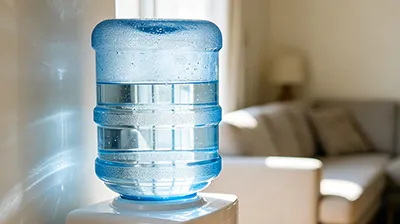
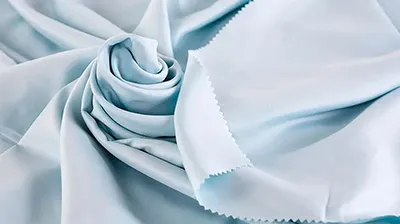
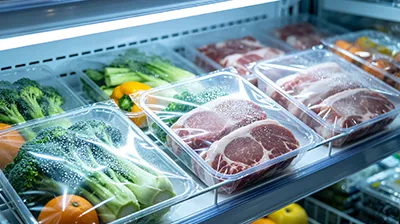
PET (polyethylene terephthalate) has long been an "old friend" in our lives - from bottled water packaging to clothing fabrics, from electronic product shells to food storage boxes, this material is everywhere with its strong, transparent and cheap characteristics.
But just like even the most useful tools have shortcomings, the "little troubles" of PET materials are actually hidden in many daily scenes. These problems stem from its "natural character" and quietly limit its scope of use.
Crystalline PET: "Congenital deficiencies" caused by slow crystallization
The performance shortcomings of crystalline PET stem from its special crystallization behavior. The PET molecular chain is composed of rigid benzene rings and flexible ester bonds alternating, which restricts the movement of chain segments, resulting in long crystallization time and harsh conditions. The PBT molecular chain has significantly improved flexibility due to the introduction of longer methylene segments, and the crystal stacking is more regular, and the crystallization speed can reach 3-5 times that of PET.
Low impact strength is one of the most prominent problems of crystalline PET. In the crystalline state, the PET molecules are arranged regularly and tightly, and the formed crystal structure is brittle and lacks sufficient toughness to buffer external impact.
In practical applications, this defect manifests itself in packaging materials being easily damaged when dropped or squeezed, and engineering parts (such as electronic equipment housings and automotive interior parts) being prone to cracking when subjected to vibration or collision.
Data shows that the notched impact strength of crystalline PET is usually only 2-3 kJ/m², while toughened and modified engineering plastics (such as ABS) can reach more than 20 kJ/m², with a significant difference.
Low formability directly affects production efficiency and cost. Due to the slow crystallization rate, PET requires a longer cooling and shaping time during injection molding or blow molding, resulting in a longer production cycle. For example, when making a 500ml mineral water bottle, the injection cooling time of the PET bottle blank takes 8-12 seconds, while similar products using faster crystallization materials can be shortened to less than 5 seconds.
At the same time, the slow crystallization process can easily lead to uneven crystallization inside the product, resulting in internal stress, and problems such as warping and cracking may occur in subsequent processing, increasing the scrap rate.
In addition, in order to promote crystallization, the mold temperature often needs to be increased during processing (usually maintained at 120-150℃), which not only increases energy consumption, but also places higher requirements on the heat resistance of the equipment.
Amorphous PET: A "squeamish bag" that is afraid of water and alkali
Although amorphous PET (such as PET film or transparent products that have not been heat-set) has excellent transparency, it has extremely poor chemical stability. Water, alkali, organic solvents, etc. in the environment can easily cause erosion to it. This is related to the loose molecular arrangement of its amorphous structure - there are a lot of gaps between molecular chains, and small molecules can easily penetrate and destroy the intermolecular forces.
Erosion by water and alkali is the most common problem. The ester bond of PET is prone to hydrolysis under the action of water or alkali: water molecules or hydroxide ions attack the ester bond (-COO-), causing it to break and generate carboxylic acid and alcohol, resulting in a decrease in the molecular weight of the material and a decrease in mechanical properties. In a boiling water environment, this hydrolysis reaction will accelerate.
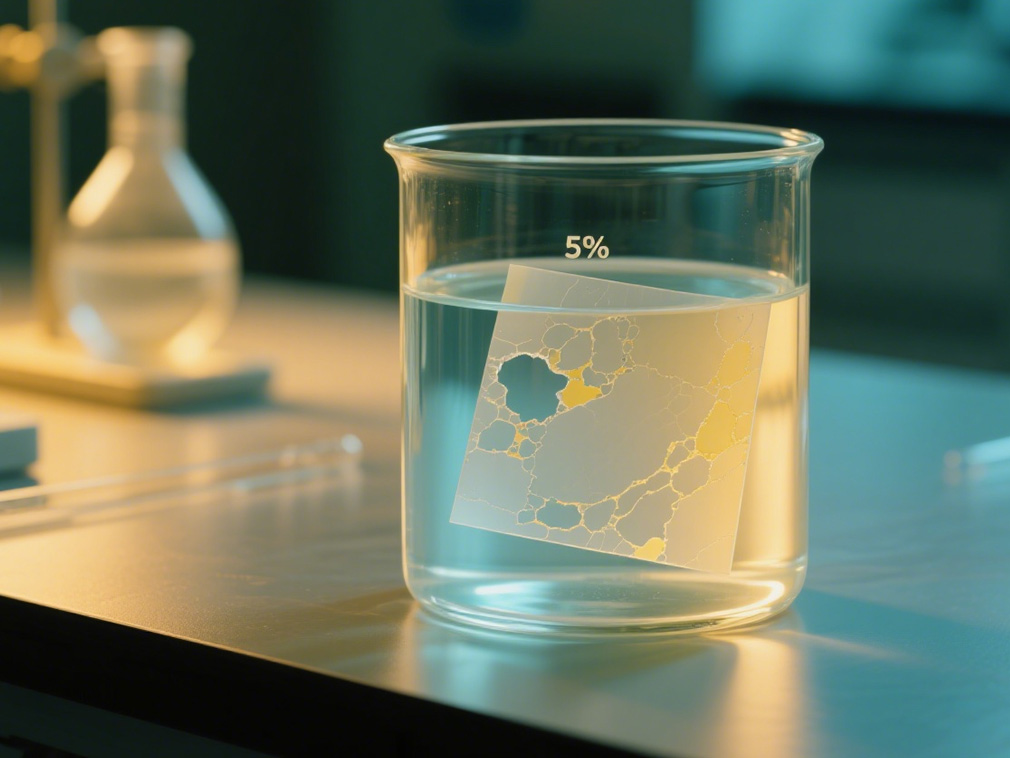
For example, if an amorphous PET beverage bottle is repeatedly filled with boiling water, the tensile strength can drop by more than 20% within 1 week, and the bottle body is prone to deformation and leakage; in an alkaline environment (such as contact with detergents and soap solutions), the ester bond breaks faster. Experiments show that when an amorphous PET film is immersed in a 5% sodium hydroxide solution at 60°C, the film weight loss can reach 5% after 24 hours, and obvious corrosion pits appear on the surface.
The sensitivity of organic solvents at high temperatures further limits its application range. When the temperature exceeds 60°C, organic solvents such as ketones (such as acetone), aromatic hydrocarbons (such as toluene), and chlorinated hydrocarbons (such as dichloromethane) will penetrate into the molecular gaps of amorphous PET, causing the material to swell or even dissolve.
This makes amorphous PET unable to be used to hold cosmetics (such as nail polish containing acetone, perfume containing aromatic hydrocarbons), industrial cleaning agents and other products, otherwise problems such as packaging deformation and content leakage are prone to occur.
In the electronics field, if the insulating film made of amorphous PET is exposed to high-temperature solder flux (containing chlorinated hydrocarbons), the insulation performance may be reduced due to swelling, causing the risk of circuit short circuit.
Extended short board: Deep challenges of heat resistance and recycling
In addition to the above defects, the heat resistance limitations and recycling problems of PET cannot be ignored. Although the glass transition temperature of PET is about 70℃ and the melting point is 250℃, when it is in an environment above 100℃ for a long time, the molecular chain is prone to thermal oxidation degradation, causing the material to discolor and become brittle.
This makes it difficult to use in high-temperature scenarios such as microwave tableware and parts in the engine compartment of automobiles - ordinary PET beverage bottles will be significantly deformed after being placed in an environment above 80℃ for 1 hour, and a trace amount of acetaldehyde will be released, affecting the taste of the contents.
In the field of recycling, the performance degradation problem of PET is prominent. Although PET is one of the most mature plastics in the current recycling system, the high-temperature melting and mechanical shearing during the recycling process will aggravate the breakage of the molecular chain, resulting in a 15%-30% decrease in the impact strength and tensile strength of the recycled PET compared with the original material, and the color will turn yellow and the transparency will decrease.
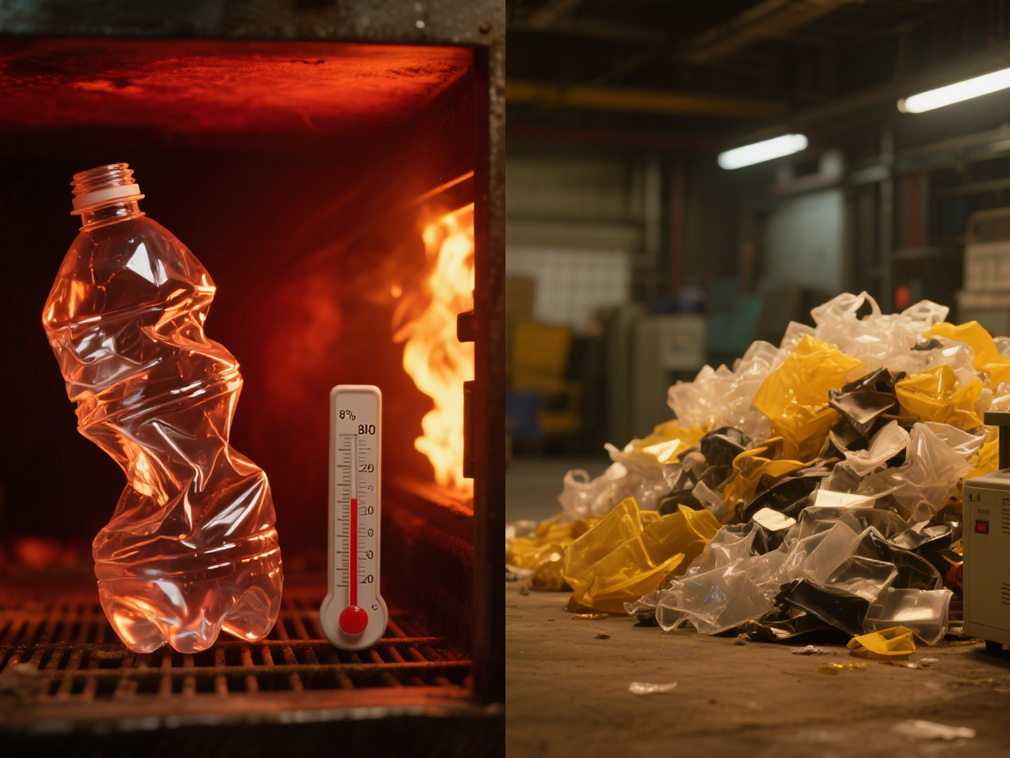
After multiple recycling, the material will even lose its use value and can only be downgraded to non-structural parts (such as chemical fiber fillers), limiting the efficiency of the circular economy. In addition, the mixed pollution of PET and other plastics (such as label paper and adhesive residues) will also increase the difficulty of recycling and further amplify its performance defects.
These shortcomings of PET are not insurmountable. The performance can be significantly improved by adding nucleating agents to accelerate crystallization, blending with elastomers to enhance toughness, and introducing comonomers to improve chemical stability.
And precise matching of application scenarios (such as using crystallized modified PET to make engineering parts and using chemical-resistant coated PET to make packaging) can also avoid shortcomings. A deep understanding of these performance limitations is not only the starting point for material research and development, but also the key to promoting the continued value of PET in green development.
Our platform connects hundreds of verified Chinese chemical suppliers with buyers worldwide, promoting transparent transactions, better business opportunities, and high-value partnerships. Whether you are looking for bulk commodities, specialty chemicals, or customized procurement services, TDD-Global is trustworthy to be your fist choice.