Polypropylene: Durable, Lightweight, and Sustainable Plastic for Industry
Polypropylene (PP), with its excellent durability, energy efficiency, and environmental friendliness, is widely used in packaging, automotive, home appliance, medical, and construction industries, becoming a high-quality material supporting the sustainable development of modern industries.
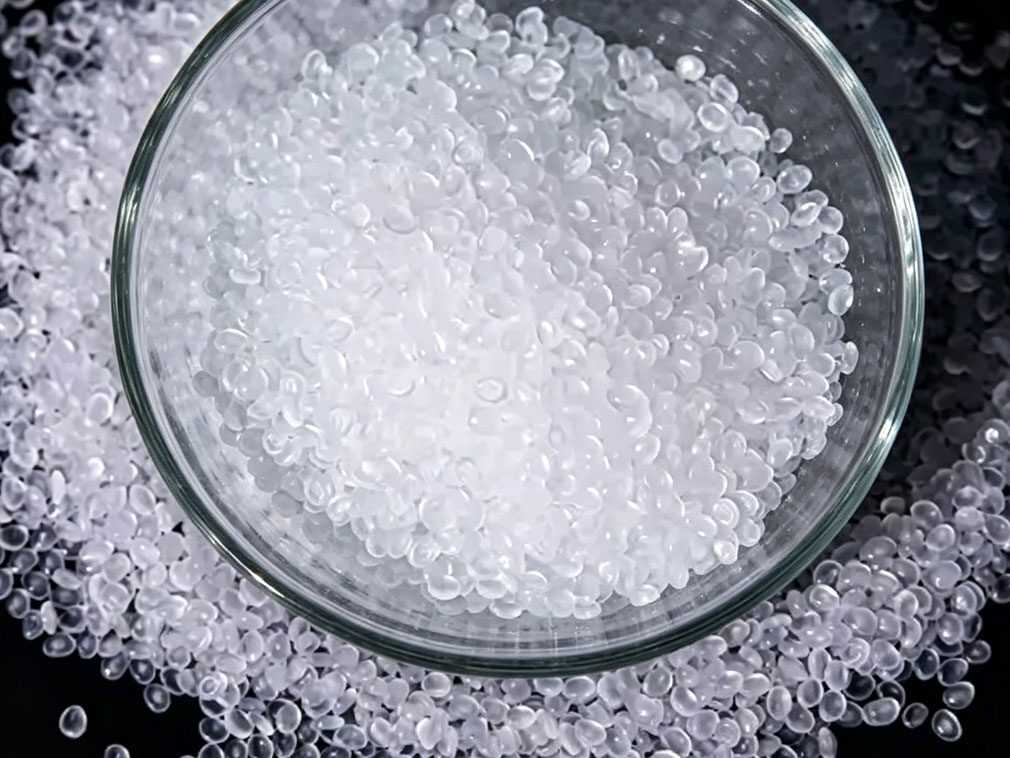
Durability and stability are the fundamental advantages of polypropylene and the key to its widespread application. Polypropylene combines rigidity and toughness, is impact-resistant and tensile-resistant, effectively withstanding daily wear and minor external forces, and is not easily deformed or damaged. It has good chemical stability, is resistant to acids, alkalis, oils, and common solvents, and does not easily react with substances in the environment, making it suitable for a wide range of applications.
At the same time, this material performs reliably over a wide temperature range—from sub-zero temperatures to around 100 degrees Celsius, maintaining stable performance. Its fatigue resistance is outstanding; it can maintain structural integrity and basic properties even after repeated use.
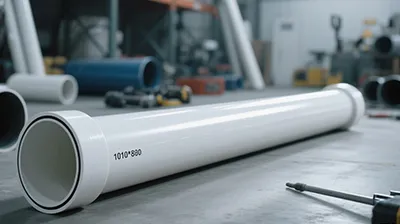
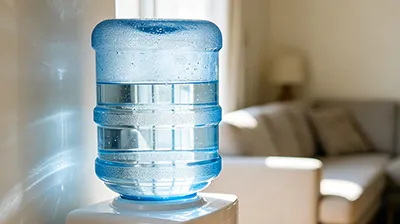
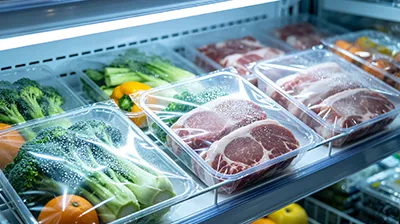
Therefore, polypropylene is often used in automotive interior parts, home appliance housings, industrial storage components, food packaging containers, etc., helping to extend product lifespan and reduce resource consumption caused by frequent material replacements.
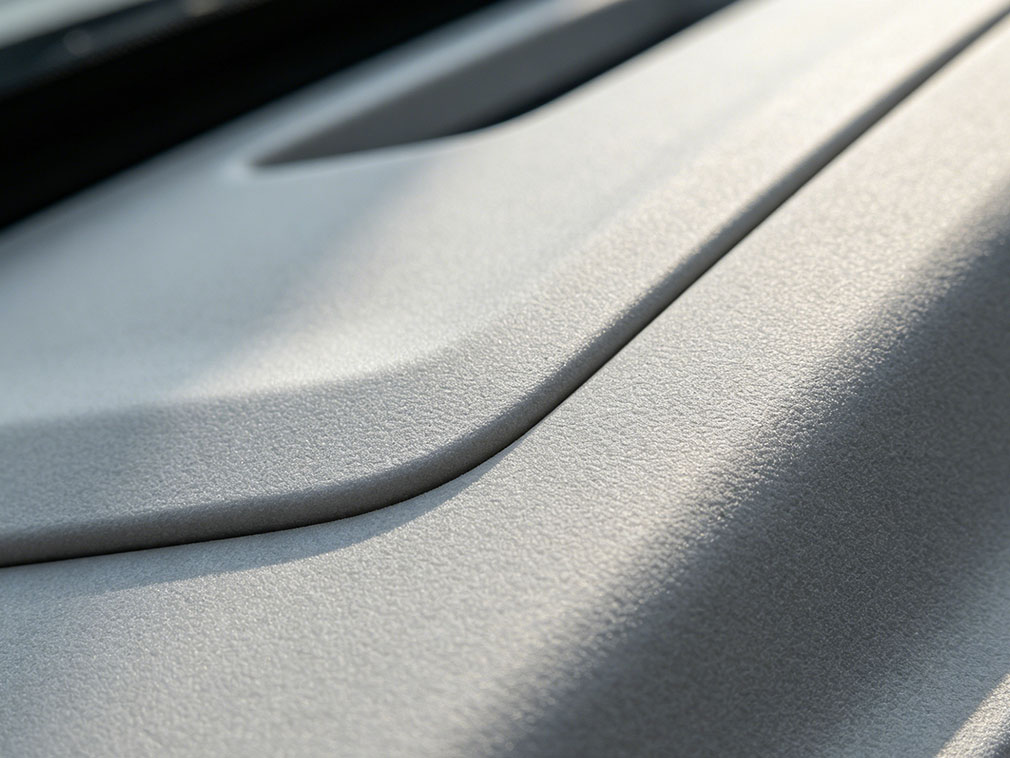
The lightweight and easy-to-process characteristics of polypropylene (PP) endow it with considerable energy-saving benefits, aligning with the cost reduction, efficiency improvement, and low-carbon production needs of various industries. PP's low density and light weight make it easier to promote product lightweighting compared to traditional metals and rigid plastics.
In the automotive industry, it is used in bumpers, dashboards, battery pack structural components, etc., effectively reducing the overall vehicle weight, thereby reducing driving energy consumption and emissions, conforming to the trend of lightweighting in new energy vehicles.
In terms of processing, PP's thermoforming process is mature, with high melt molding efficiency and short processing cycles. Some high-performance grades can even achieve thin-wall molding, reducing raw material consumption and lowering production energy consumption and costs while ensuring performance. Moreover, its high molding pass rate and low scrap rate improve energy utilization efficiency, making it suitable for the needs of industrialized energy-saving production.
In terms of environmental protection, PP's sustainability is continuously improving, consistent with the global trend of green and low-carbon development. PP is non-toxic, odorless, and high in purity, meeting the safety standards for food contact and medical supplies. Normal use does not release harmful substances, making it environmentally friendly.
More importantly, it is a recyclable plastic with mature recycling technology and a high recycling rate. Waste polypropylene can be recycled and reused in production through melting, reprocessing, and modification, achieving resource recycling.
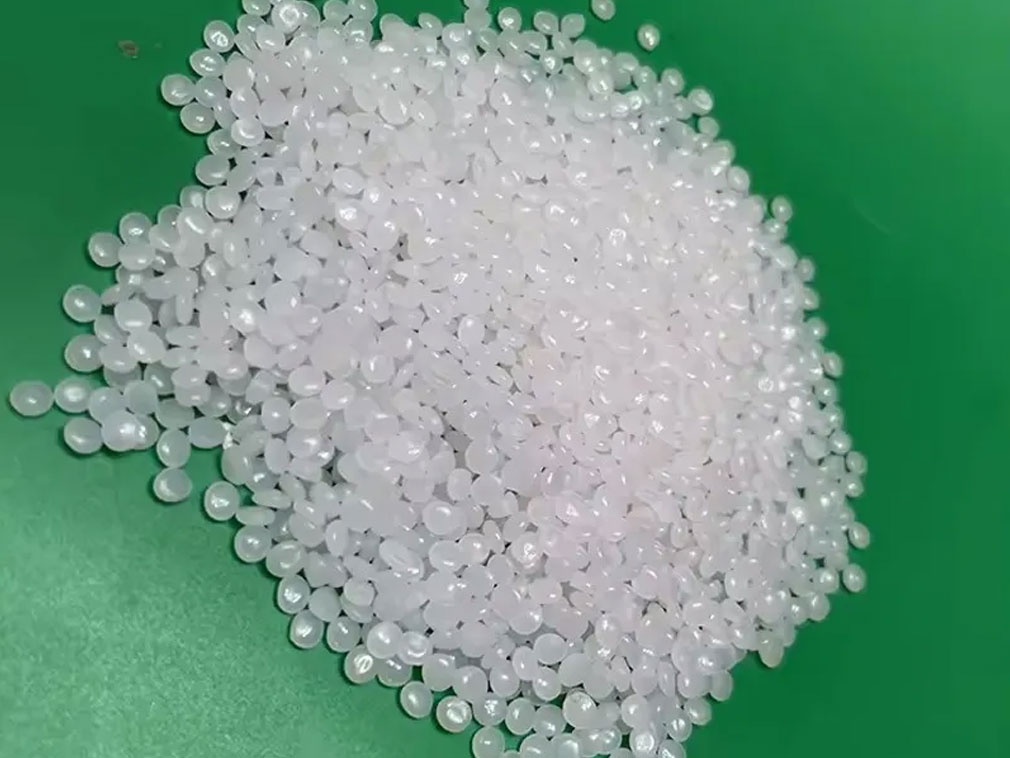
In recent years, with the iterative upgrading of chemical recycling technologies, new recycling processes such as pyrolysis and depolymerization are gradually becoming commercialized, further improving the recycling quality and utilization rate of waste polypropylene and helping to alleviate the environmental pressure caused by the accumulation of plastic waste. Furthermore, pollutant emissions during its production process are controllable, and carbon emissions are relatively low, aligning with the concept of green production.
With the continuous innovation of new material technologies, polypropylene is developing towards higher performance, lower energy consumption, and greater recyclability, constantly expanding its green application scenarios.
It integrates multiple advantages such as durability, practicality, energy saving, and environmental friendliness, meeting the needs of high-quality industrial development and conforming to ecological and environmental protection requirements. It has become an important green basic material in the modern industrial system, and its future market application and development potential will continue to be released.
Our platform connects hundreds of verified Chinese chemical suppliers with buyers worldwide, promoting transparent transactions, better business opportunities, and high-value partnerships. Whether you are looking for bulk commodities, specialty chemicals, or customized procurement services, TDD-Global is trustworthy to be your fist choice.