PVC Tensile Strength: Key Benefits in Industrial Applications
Polyvinyl chloride (PVC) is a widely used polymer material in industry and infrastructure, and its excellent tensile strength is one of its core performance advantages. This characteristic allows PVC to effectively withstand various tensile and traction forces without easily breaking, exhibiting significant tensile deformation or structural damage, and maintaining reliable structural stability during long-term use.
This performance stems from its molecular structure: PVC molecular chains are regularly arranged and tightly bonded, and the structural reinforcement effect provided by chlorine atoms gives the material both strength and toughness, making it adaptable to various complex stress conditions, especially suitable for fluid transportation scenarios requiring structural integrity and load-bearing stability.
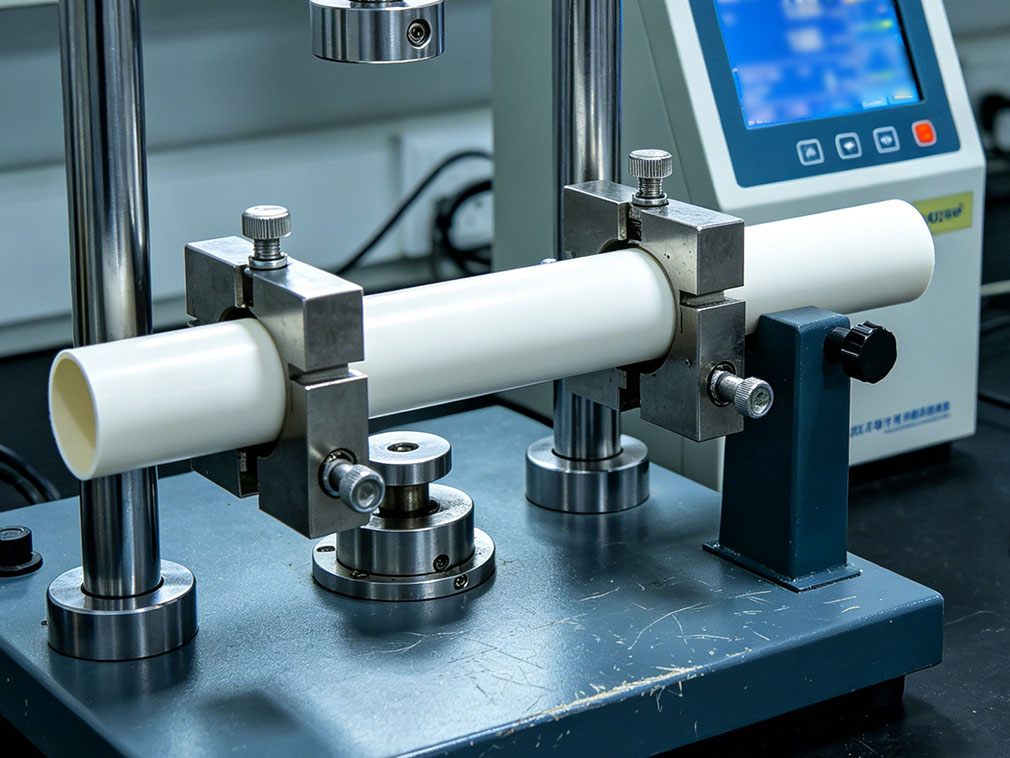
In terms of specific performance parameters, the commonly used rigid unplasticized PVC (PVC-U) exhibits outstanding overall mechanical performance. Its tensile strength typically reaches 50–80 MPa, and its elastic modulus remains at 2–4 GPa. The tensile load-bearing capacity of some pipe specifications can even be compared with some lightweight metal materials.
Actual test data shows that conventional large-diameter PVC pipes can withstand tensile forces of several tons. Even under multiple stress conditions, including axial traction, internal fluid pressure tension, and external soil tension, they maintain their shape stability without excessive stretching or cracking. Compared to ordinary plastics, PVC's excellent tensile properties effectively improve structural tolerance, allowing it to withstand long-term static and dynamic tensile losses.
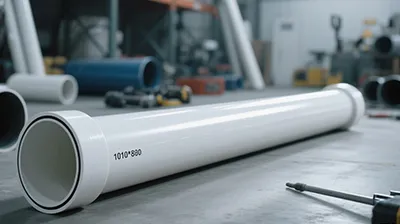
PVC pipes are a prime example of this tensile advantage in numerous applications. Whether it's urban municipal water supply and drainage, indoor and outdoor fluid transportation in buildings, or agricultural irrigation and light industrial fluid transportation, pipeline systems are almost constantly under stress: they must bear the self-weight pressure of the water and fluids inside the pipe, cope with the tensile stress caused by soil pull after installation, foundation settlement, and structural stress caused by environmental temperature changes. Ordinary pipes, if operating under such conditions for extended periods, are prone to tensile deformation, joint cracking, and pipe wall damage, leading to leaks and even pipeline collapse.
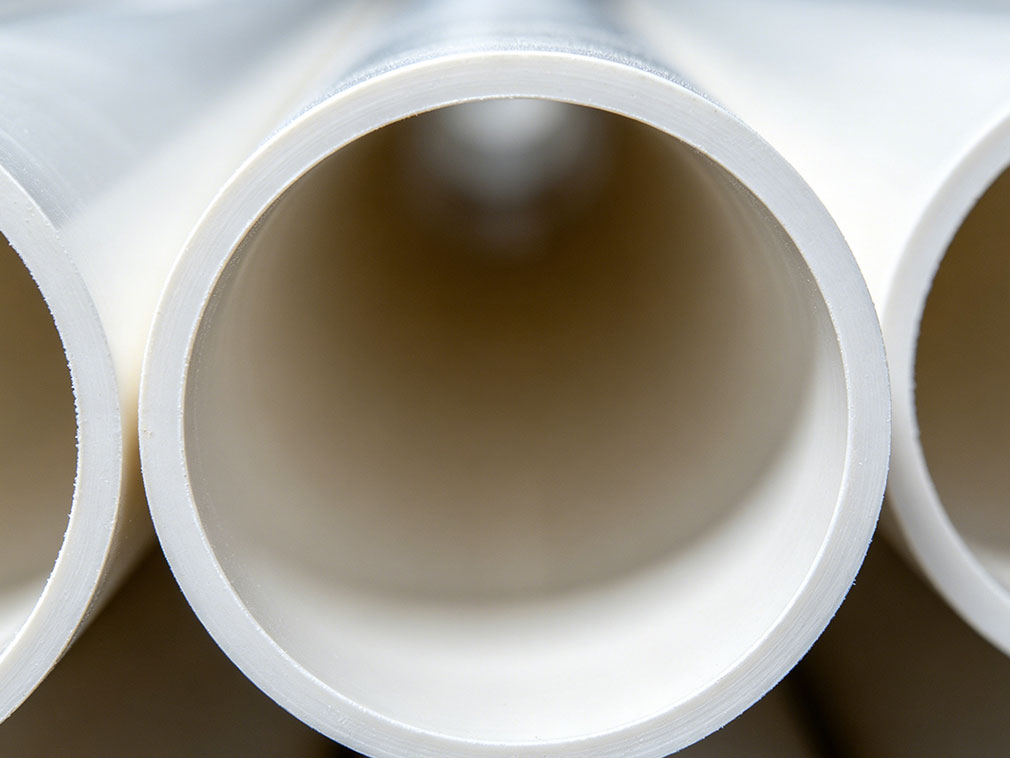
With its stable and uniform tensile properties, PVC pipes effectively mitigate these tensile risks. Its stress-bearing characteristics allow the pipe wall to distribute tensile force as a whole, avoiding localized stress concentration that could lead to damage and maintaining the integrity and sealing of the pipeline structure throughout its service life.
Simultaneously, PVC's lightweight nature, combined with its good tensile strength, reduces the load-bearing pressure during construction and laying, while ensuring the structural stability of the pipeline under different laying methods such as overhead and underground installations, effectively reducing the risk of deformation and breakage.
This tensile strength advantage is not isolated; it also synergizes with other properties of PVC. PVC is resistant to acid and alkali corrosion, has a smooth inner wall, and low fluid resistance. Even under long-term fluid erosion and humid corrosive environments, its tensile strength does not significantly decrease due to media corrosion, maintaining stable performance. Its buried service life can reach over 50 years, continuously maintaining good tensile load-bearing capacity during long-term service, eliminating the need for frequent maintenance and replacement, thus reducing engineering operation and maintenance costs.
Driven by the trends of green infrastructure and lightweight engineering, PVC, with its reliable tensile mechanical properties, adaptability to diverse scenarios, and high cost-effectiveness, is gradually replacing some traditional metal and cast iron pipes.
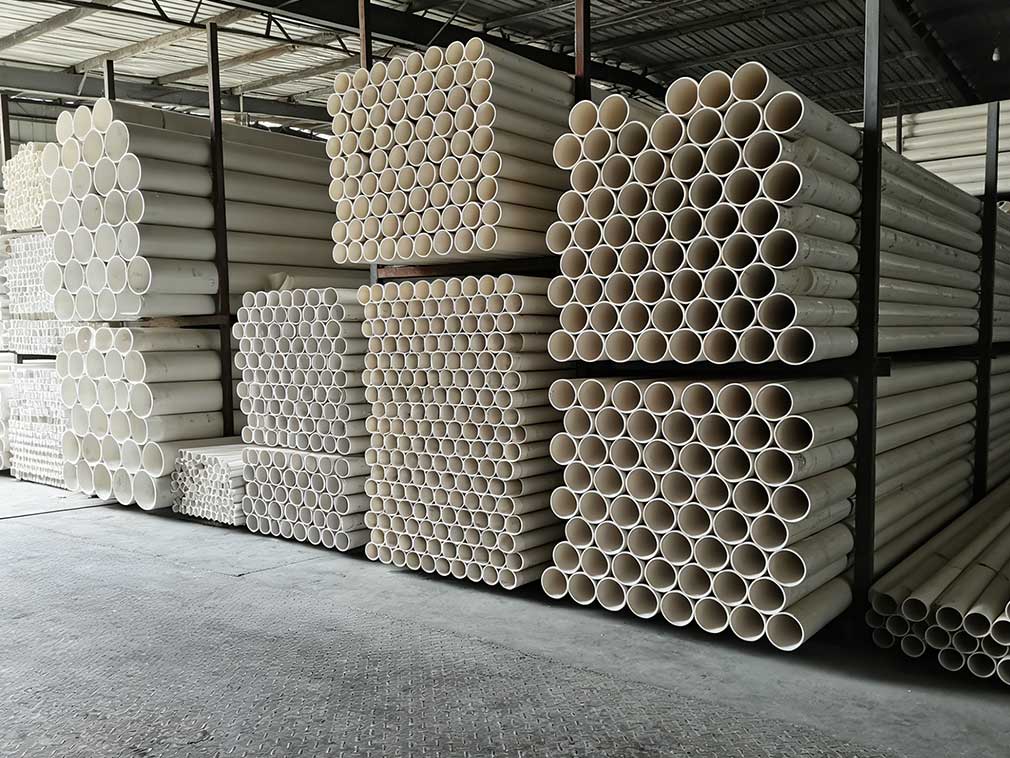
Its stable structural load-bearing capacity responds to the core requirements of modern fluid transportation engineering for safety, durability, and stability, and also makes PVC an important basic material in fields such as construction, municipal engineering, and agriculture, demonstrating solid engineering application value and clear development prospects.
Our platform connects hundreds of verified Chinese chemical suppliers with buyers worldwide, promoting transparent transactions, better business opportunities, and high-value partnerships. Whether you are looking for bulk commodities, specialty chemicals, or customized procurement services, TDD-Global is trustworthy to be your fist choice.