Polypropylene High-Temperature & Waterproof Performance in Industrial Applications
Polypropylene (PP), a general-purpose thermoplastic polymer, occupies an important position in various fields such as industrial manufacturing, daily life, and electronics due to its excellent comprehensive properties.
Its ability to stably maintain mechanical strength and electrical properties even at high temperatures, combined with its excellent waterproof properties, gives it an irreplaceable advantage in complex working conditions, especially in humid environments and underwater immersion scenarios.
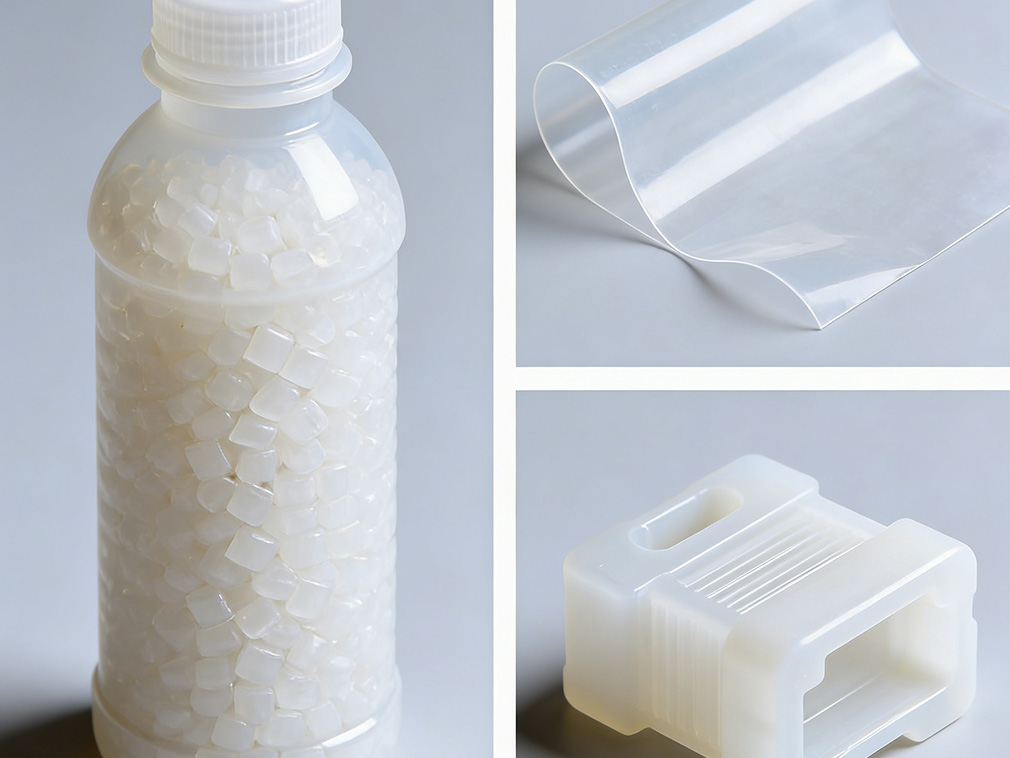
From a molecular structure perspective, the performance stability of polypropylene stems from its unique composition and molecular chain structure. It is polymerized from propylene monomers, and the main molecular chain consists of saturated carbon-carbon single bonds, giving it excellent chemical inertness and thermal stability.
Compared to polyethylene (PE), its molecular chain contains methyl side chains, and the steric hindrance effect increases the molecular chain packing density and crystallinity, thereby enhancing mechanical strength and heat resistance.
The heat distortion temperature of conventional polypropylene is about 100℃, which can be raised to over 120℃ after modification such as glass fiber reinforcement, meeting the high-temperature requirements of most industries. It is not prone to softening, deformation, or a sudden drop in mechanical strength at high temperatures.
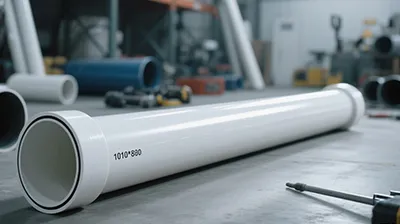
In terms of mechanical properties, polypropylene exhibits stable tensile, flexural, and impact strength at high temperatures. At 80℃, its tensile strength remains above 70% of that at room temperature, and its flexural strength above 65%, making it suitable for manufacturing components such as high-temperature conveying pipelines. Its excellent fatigue resistance, resisting breakage under high-temperature cyclic loading, expands its applications in high-temperature mechanical equipment.
In terms of electrical properties, polypropylene exhibits excellent insulation, with a volume resistivity exceeding 10¹⁶ Ω·cm and a dielectric strength exceeding 20 kV/mm, and its performance remains stable at high temperatures.
While most polymers experience reduced insulation or even breakdown at high temperatures due to increased molecular chain movement, polypropylene, with its saturated molecular chains and high crystallinity, shows no significant attenuation in insulation at 100℃. Therefore, it is widely used in high-temperature environments for wire and cable insulation layers, and in the housings of electrical equipment, ensuring safe equipment operation.
It is worth noting that polypropylene's high-temperature performance is even more outstanding in humid environments and underwater, primarily due to its excellent water resistance. As a non-polar polymer, polypropylene molecular chains lack polar groups and have extremely low water absorption (typically ≤0.01%), preventing moisture penetration and thus ensuring stable mechanical and electrical properties.
In contrast, polar polymers such as nylon and polyvinyl chloride easily absorb water when damp or submerged, leading to swelling and softening, and a significant decrease in mechanical and insulating properties. This degradation is even more pronounced under combined high temperature and humidity conditions.
Polypropylene offers significant advantages in humid and high-temperature environments, covering multiple scenarios: In outdoor high-temperature and rainy environments, it can be used to manufacture the housings of outdoor electrical equipment, resisting sun exposure and rain erosion to ensure the safety of internal components.
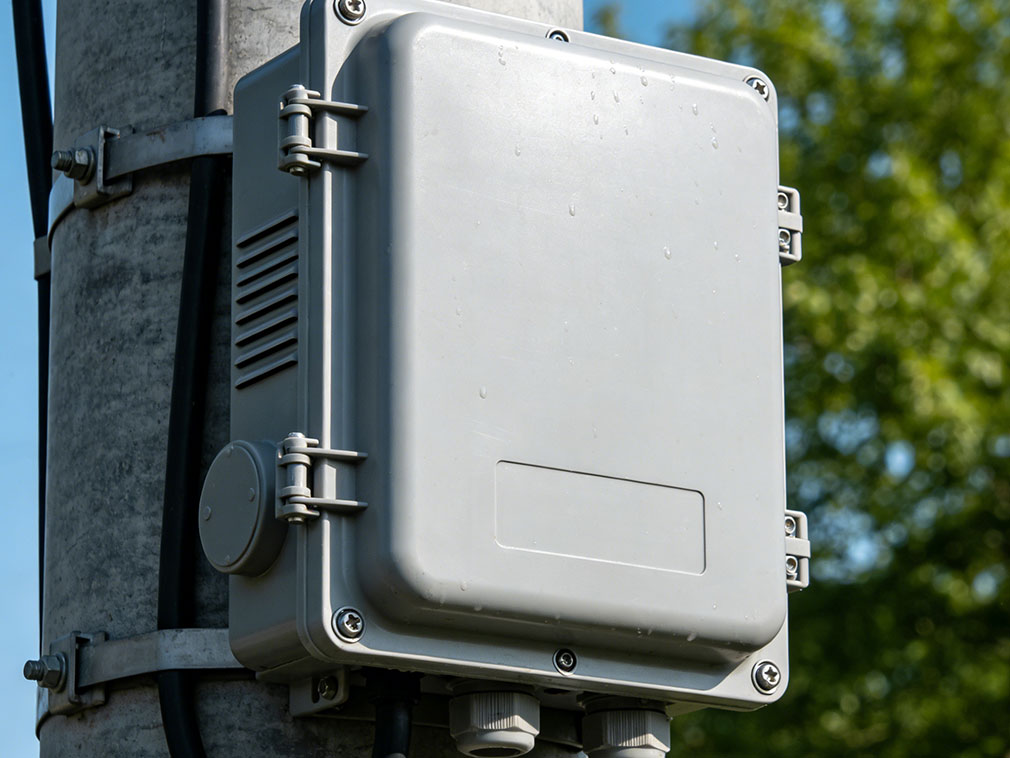
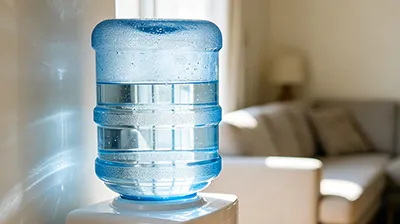
In industrial high-temperature and humid workshops, it can ensure long-term stable use of pipelines and work surfaces without corrosion or deformation caused by moisture; in submerged scenarios, such as underwater cable insulation layers and detection equipment housings, it maintains stable mechanical and electrical properties even after long-term immersion, avoiding potential malfunctions caused by moisture.
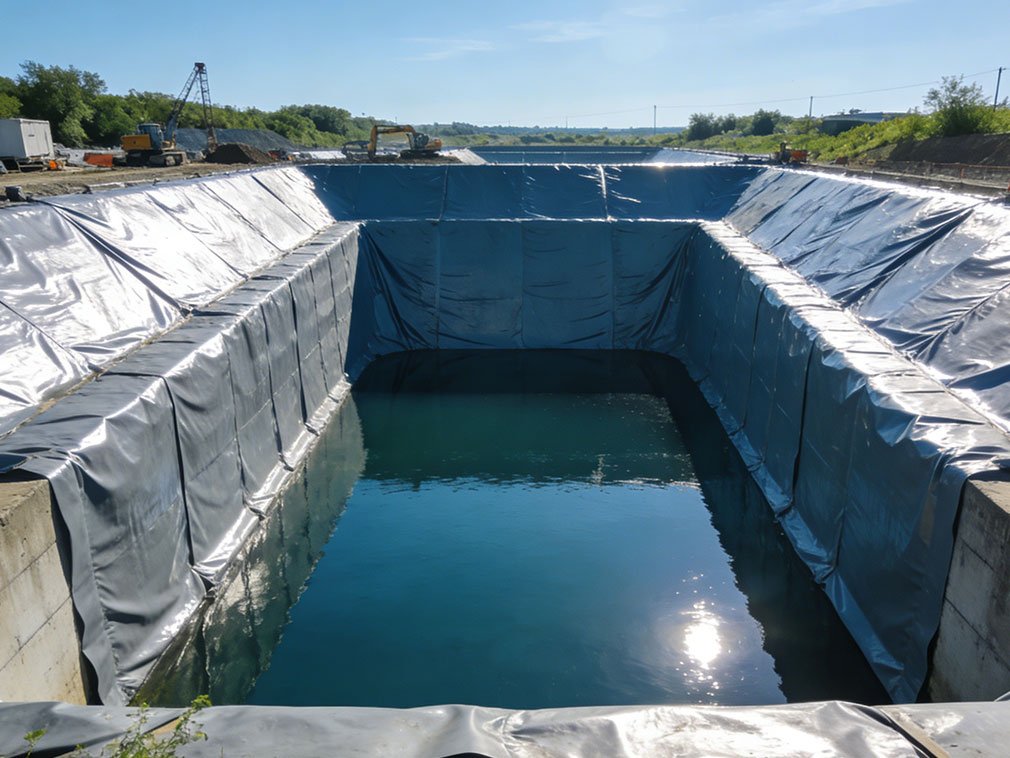
The synergistic advantages of polypropylene's waterproof and high-temperature performance make it widely used in specialized fields: In hydraulic engineering, geomembranes can withstand high temperatures and sun exposure while preventing water seepage, ensuring the effectiveness of facilities such as reservoirs and dams.
In the automotive industry, it is used for engine peripheral components, resisting high temperatures and rain/snow to ensure driving safety; in the aerospace field, its lightweight, high-temperature resistant, and waterproof properties meet the stringent requirements of interior trim and electrical component housings in high-temperature and humid environments.
To improve the performance of polypropylene in extreme high-temperature and humid environments, the industry has adopted a variety of modification technologies: glass fiber reinforcement can improve heat distortion temperature and high-temperature mechanical strength.
The addition of antioxidants and other additives can enhance high-temperature aging resistance and prevent aging and degradation under long-term exposure to sunlight and humidity; blending with polymers such as polyethylene can take into account the advantages of multiple materials and optimize high-temperature and waterproof performance to meet different needs.
Our platform connects hundreds of verified Chinese chemical suppliers with buyers worldwide, promoting transparent transactions, better business opportunities, and high-value partnerships. Whether you are looking for bulk commodities, specialty chemicals, or customized procurement services, TDD-Global is trustworthy to be your fist choice.