Polypropylene Properties: Durability, Chemical & Heat Resistance, Insulation
Polypropylene (PP), as one of the five major general-purpose plastics, occupies an important position in various fields such as industrial manufacturing, daily life, and medical health due to its excellent comprehensive performance.
Among these, its outstanding durability and excellent insulation properties are its core advantages that distinguish it from other general-purpose plastics. These characteristics stem from its unique molecular structure—a linear polymer formed by the addition polymerization of propylene monomers.
The molecular chain contains no polar groups, the carbon-carbon single bonds are stable, and the crystallinity is high, thus endowing the material with excellent chemical stability, thermal stability, and electrical insulation properties.
I. Excellent Water Resistance: Stable Performance in Humid Environments
The durability of polypropylene is primarily reflected in its excellent water resistance. Because its molecular structure lacks hydrophilic groups, water molecules have difficulty penetrating the material's interior. Unlike polyethylene (PE), which exhibits slight swelling after long-term immersion, PP does not suffer from the water resistance issues caused by plasticizer migration, unlike polyvinyl chloride (PVC).
This characteristic makes PP materials stable in humid environments or in direct contact with water, exhibiting not only extremely low water absorption (typically below 0.03%) but also virtually no degradation in mechanical properties after long-term immersion.
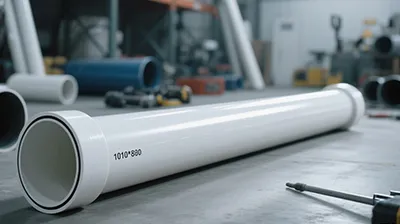
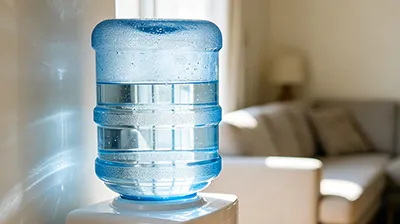
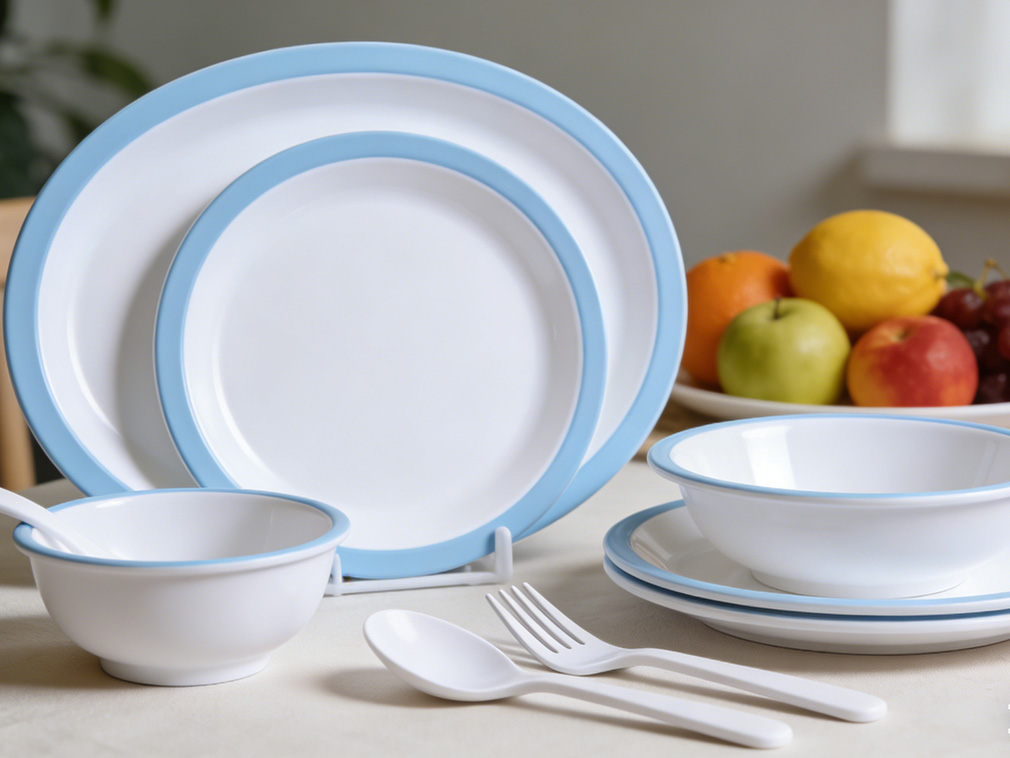
In daily life, common PP products such as water cups, tableware, and washing machine drums utilize their water resistance to ensure safety during use and prevent material aging and deformation caused by moisture erosion. In the industrial field, PP water supply and drainage pipes, water tanks, and water treatment equipment accessories can operate stably in long-term water-filled environments without concerns about material degradation or leakage. Their lightweight nature also reduces construction difficulty and transportation costs.
II. Excellent Chemical Corrosion Resistance: Suitable for Diverse Media Scenarios
Polypropylene also performs exceptionally well in terms of chemical corrosion resistance, especially exhibiting good resistance to non-oxidizing acids, dilute alkalis, and various organic solvents. From a chemical perspective, the carbon-carbon skeleton structure of PP molecules is stable and not easily attacked by ions in acids and alkalis, causing chain-splitting reactions. Furthermore, its non-polar properties make it difficult for most polar organic solvents to penetrate and dissolve it.
For example, in chemical production, PP (polypropylene) storage tanks, reactor liners, and pipelines can be used to store and transport non-oxidizing acids such as dilute hydrochloric acid, dilute sulfuric acid, and acetic acid, as well as dilute alkaline solutions such as sodium hydroxide and potassium hydroxide. Compared to stainless steel, PP is not only cheaper but also avoids the corrosion and rust problems associated with metals in acidic and alkaline environments.
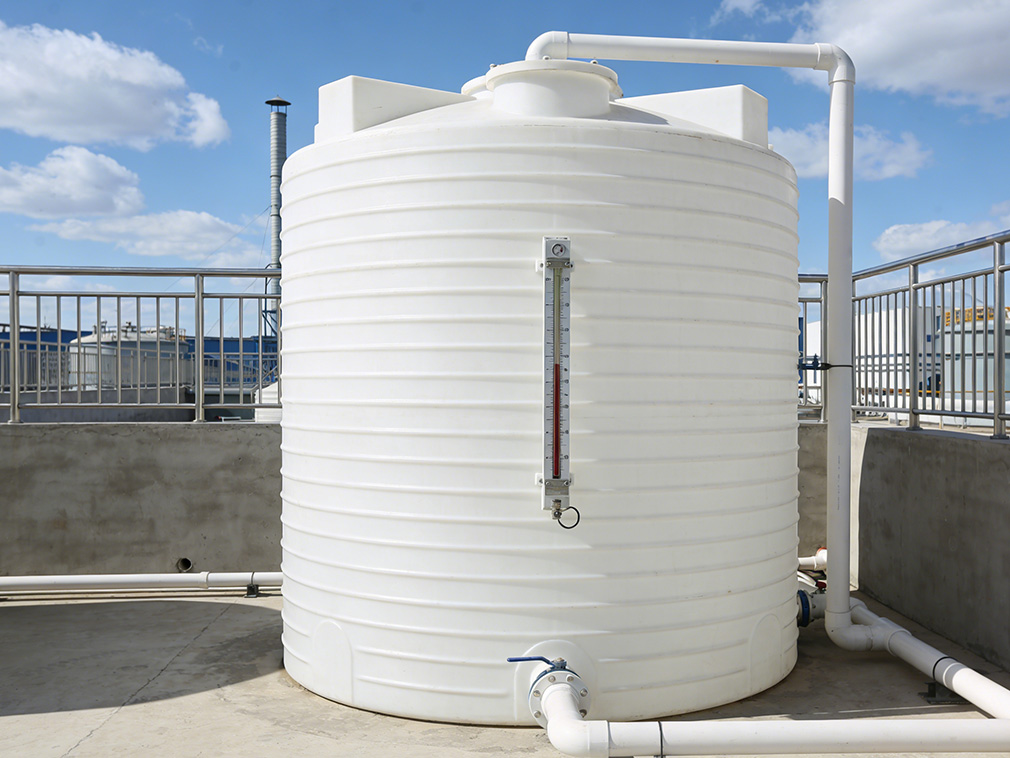
PP also remains stable with common organic solvents such as acetone, ethanol, and gasoline, and is therefore often used to manufacture packaging containers for organic solvents, laboratory chemical reagent bottles, and automotive fuel line components.
It is important to note that PP's resistance to strong oxidizing acids (such as concentrated nitric acid and concentrated sulfuric acid) decreases at high temperatures. This characteristic provides a clear direction for its application selection.
III. Good High-Temperature Resistance: Performance Guarantee in High-Temperature Environments
Resistance to high-temperature melting or deformation is another important aspect of polypropylene's resistance. PP has a melting point of approximately 167℃ and a heat distortion temperature of around 100℃. Compared to general-purpose plastics such as polyethylene (melting point 110-130℃) and polyvinyl chloride (heat distortion temperature 60-80℃), its high-temperature resistance is significantly superior. In practical applications, this characteristic allows PP materials to maintain structural integrity and mechanical properties at high temperatures, without easily melting, deforming, or softening.
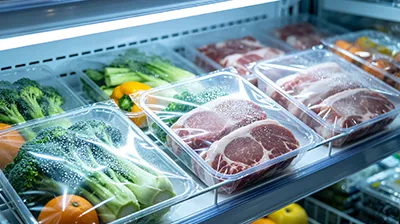
For example, in the food processing industry, PP microwave-safe food containers and food retort pouches can operate stably during microwave heating or high-temperature cooking without releasing harmful substances, ensuring food safety.
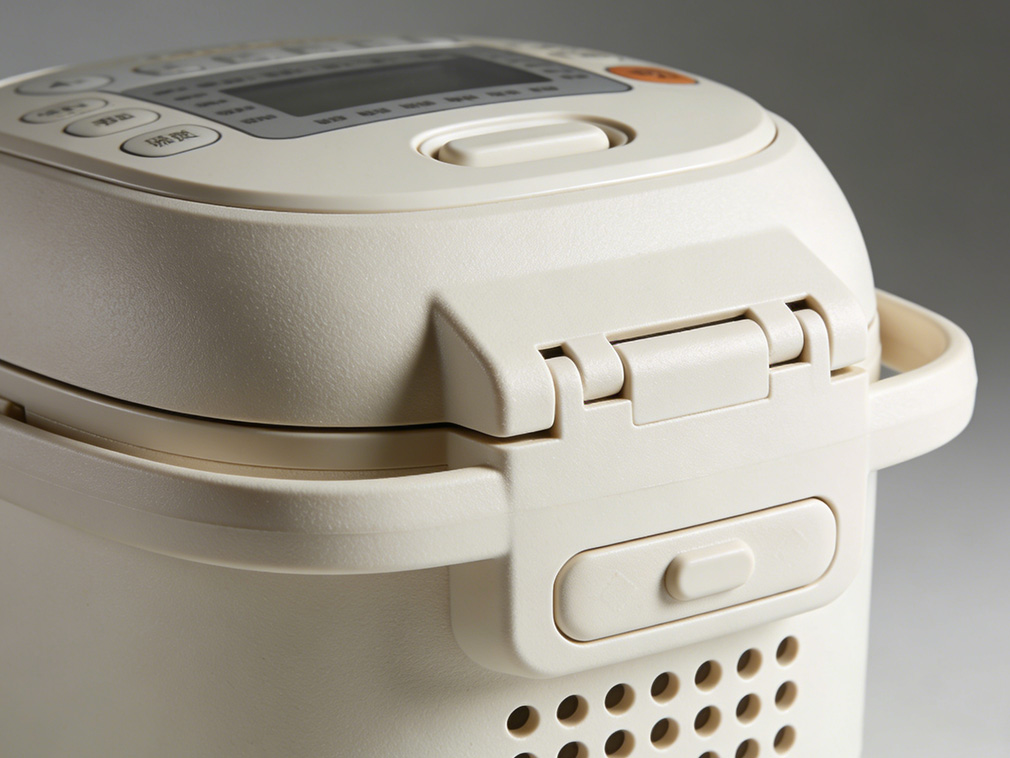
In the industrial sector, PP hot water pipes and appliance housings (such as the outer casings of rice cookers and water heaters) can withstand the heat generated during operation, preventing product failure due to high temperatures. In the automotive industry, PP engine peripheral parts and interior trim components can maintain stable performance under the high temperatures generated by engine operation, extending product lifespan.
IV. Excellent Insulation: A Reliable Choice in the Electronics and Electrical Industries
Besides its excellent durability, polypropylene (PP) also possesses good insulation properties, a characteristic stemming from the non-polarity and stability of its molecular structure. PP material has no freely moving charges within it, resulting in a low dielectric constant and low dielectric loss. It provides excellent insulation against both alternating current and direct current, while also exhibiting excellent corona and arc resistance.
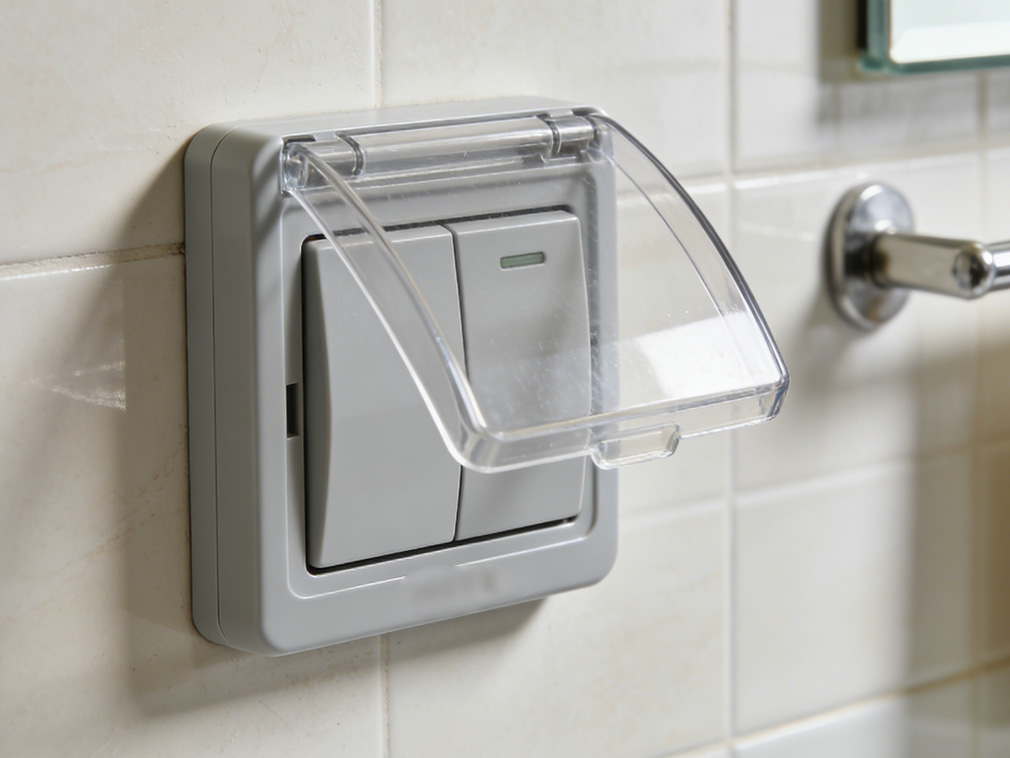
In the electronics and electrical industries, PP material is widely used in the manufacture of insulation layers for wires and cables, cable trays, electrical switch housings, transformer frames, and other components. It effectively isolates current, preventing safety hazards such as leakage and short circuits.
In the communications field, PP material is used for optical fiber sheaths and communication equipment accessories, ensuring insulation performance while resisting external environmental corrosion, guaranteeing stable transmission of communication signals.
In daily life, common products such as power strip housings and electrical plugs are also often made of PP material, whose insulation properties provide reliable protection for users' electrical safety. Furthermore, the insulation performance of PP material is less affected by temperature and humidity, maintaining stable insulation even in humid or temperature-fluctuating environments, further expanding its application range.
Our platform connects hundreds of verified Chinese chemical suppliers with buyers worldwide, promoting transparent transactions, better business opportunities, and high-value partnerships. Whether you are looking for bulk commodities, specialty chemicals, or customized procurement services, TDD-Global is trustworthy to be your fist choice.