PET Textiles: Properties, Applications & Sustainable Innovation
PET textiles are fabrics made from polyethylene terephthalate (PET). As an important category of synthetic fibers, they have become deeply integrated into people's production and daily lives due to their excellent comprehensive performance and diverse applications. From clothing and apparel to industrial fabrics, from everyday home furnishings to environmental protection, PET textiles are driving innovation and upgrading in the textile industry with their unique advantages, becoming an important material that combines practicality and sustainability.
The core advantage of PET textiles lies in their superior physicochemical properties, which is the foundation of their widespread application. Physically, PET fibers are strong and elastic, with a breaking strength far exceeding that of cotton and wool. Textiles made from PET fibers are highly resistant to tensile stress and wrinkles, are not easily deformed, and maintain a smooth appearance for a long time.
Simultaneously, they have excellent abrasion resistance and a lifespan far exceeding that of natural fiber fabrics, making them particularly suitable for high-frequency use. In terms of chemical stability, PET fibers are resistant to acids and alkalis, corrosion, and are not easily damaged by sweat, detergents, or other chemicals. They also have good UV resistance, and are not prone to fading or aging even after long-term exposure to sunlight.
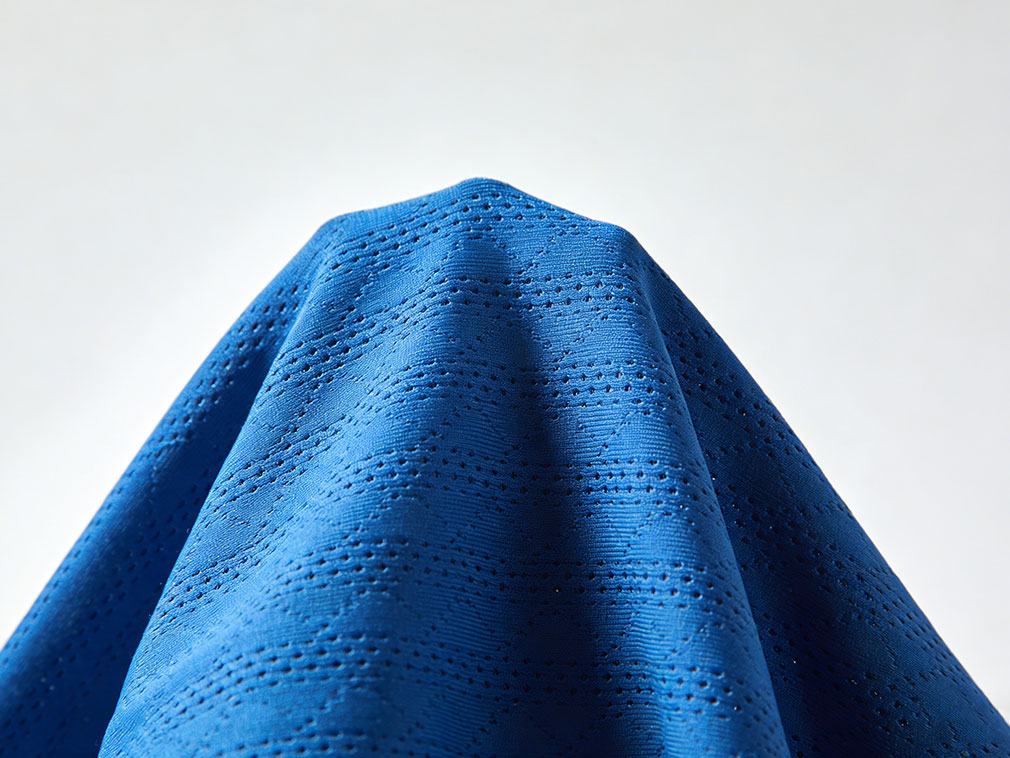
In addition, PET textiles are easy to wash and quick-drying, with low water absorption, requiring minimal air drying after washing, greatly improving convenience and fitting the fast-paced modern lifestyle.
Based on these advantages, the applications of PET textiles are diversifying. In the apparel sector, PET fibers are commonly used to make sportswear, outdoor clothing, and underwear. Sportswear using PET fabrics leverages their excellent breathability and moisture-wicking properties to quickly wick away sweat and keep the wearer dry; outdoor clothing utilizes its UV resistance and abrasion resistance to provide reliable protection.
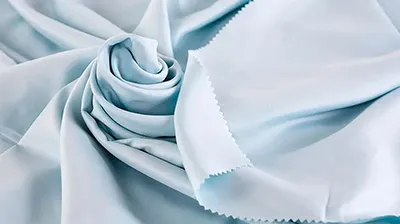
Meanwhile, PET fibers can be modified to mimic the feel of natural fibers, creating cotton-like, linen-like, and silk-like fabrics for casual and formal wear, balancing comfort and cost-effectiveness. In the home furnishing sector, PET textiles are widely used in curtains, sofa covers, and bedding. Curtains made of PET fabric not only offer good light blocking and colorfastness but also possess fire-retardant properties; sofa covers and bedding benefit from their abrasion resistance and easy washing, reducing daily maintenance costs.
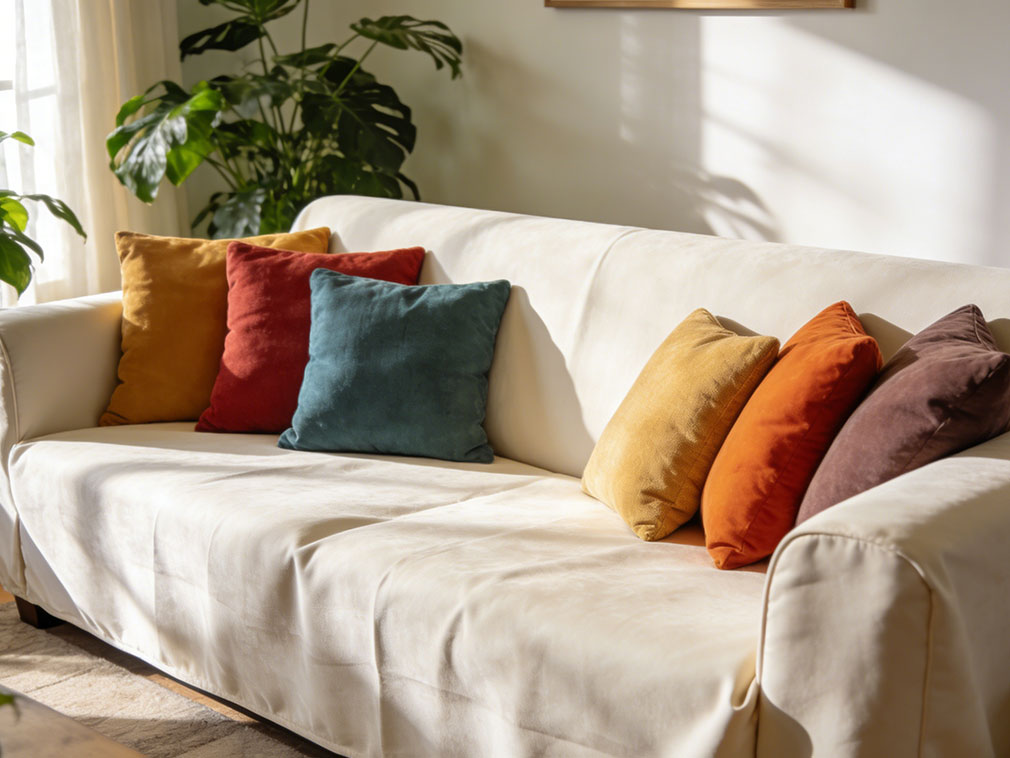
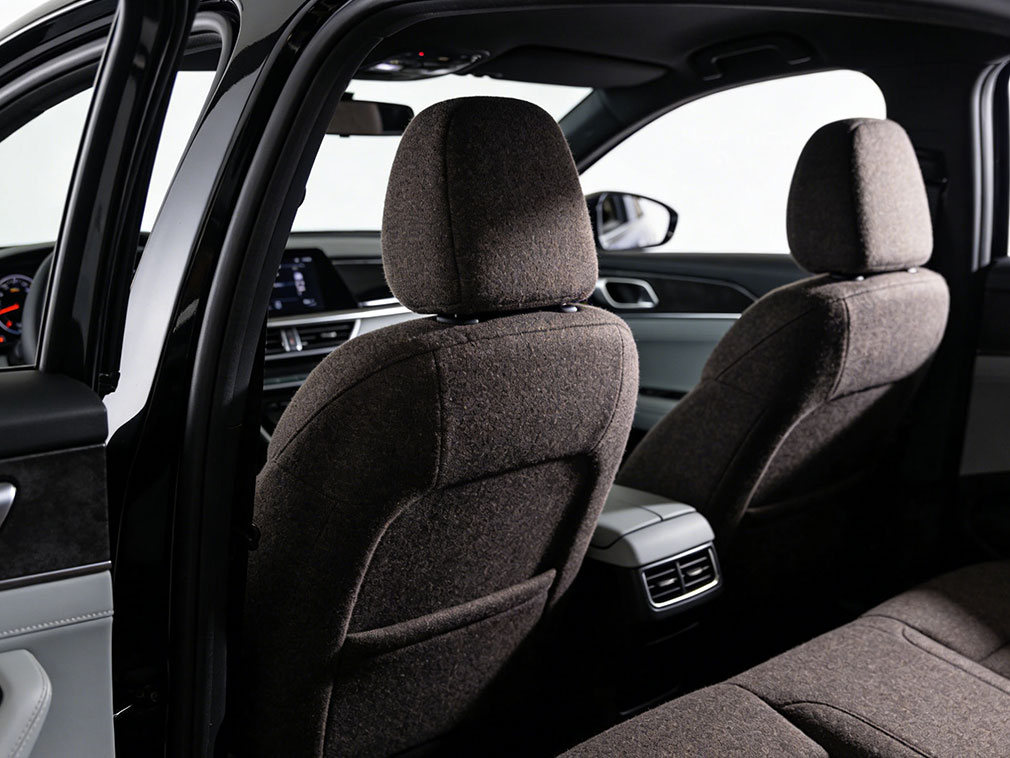
In industrial applications, the advantages of PET textiles are even more pronounced. In the automotive industry, PET is used to manufacture car seat fabrics, carpets, and interior panels. Its high strength, wear resistance, and high-temperature resistance make it suitable for the complex environment inside vehicles. In the construction sector, PET geotextiles are widely used in roadbed reinforcement and dam protection projects, effectively enhancing soil stability, preventing soil erosion, and offering advantages such as anti-aging, corrosion resistance, and long service life.
Furthermore, PET textiles are used to make filter materials and medical supplies. Filter materials, with their uniform pores and good air permeability, can efficiently filter dust, exhaust gases, and other pollutants. Medical supplies, with their antibacterial and easy-to-sterilize properties, ensure medical safety.
With the growing awareness of environmental protection, recycled PET textiles have become a new trend in the industry. Recycled PET textiles use waste PET bottles and plastic films as raw materials, which are processed into fibers through crushing, washing, and melt spinning, and then further processed into textiles.
This production method not only effectively solves the problem of plastic waste pollution but also saves petroleum resources and reduces energy consumption and carbon emissions during the production process. Currently, recycled PET textiles have achieved large-scale application in clothing, home furnishings, and industrial fabrics, with numerous brands launching recycled PET clothing, backpacks, and other products, which have gained widespread consumer acceptance.
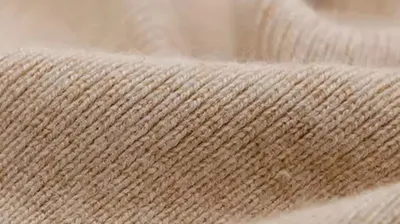
Despite the significant advantages of PET textiles, certain limitations exist, such as a somewhat stiff feel and room for improvement in breathability. To address these issues, the industry is optimizing them through techniques such as fiber modification and fabric finishing.
For example, PET fibers produced using profile spinning technology can increase the breathability and softness of fabrics; hydrophilic finishing processes can improve the moisture absorption of PET textiles, enhancing the wearing experience. Simultaneously, the application of intelligent manufacturing technologies will drive the upgrading of the PET textile industry, achieving precision production and improving product quality stability.
Our platform connects hundreds of verified Chinese chemical suppliers with buyers worldwide, promoting transparent transactions, better business opportunities, and high-value partnerships. Whether you are looking for bulk commodities, specialty chemicals, or customized procurement services, TDD-Global is trustworthy to be your fist choice.