PP Additive Modification: Enhancing Performance with Fillers, Stabilizers & Pigments
Polypropylene (PP), one of the four major general-purpose thermoplastic resins, is widely used in the automotive, packaging, medical, and home appliance industries due to its low density, moderate cost, and good chemical stability.
However, its inherent limitations, such as poor weather resistance, significant low-temperature brittleness, and insufficient mechanical strength, restrict its application in high-end scenarios. Modification by adding functional additives has become a major technical approach to improve PP performance and expand its application boundaries.

I. Fillers: Enhancing Rigidity and Dimensional Stability
Fillers are the most widely used type of additive in PP modification, primarily serving to improve material rigidity, reduce production costs, and enhance dimensional stability and heat resistance.
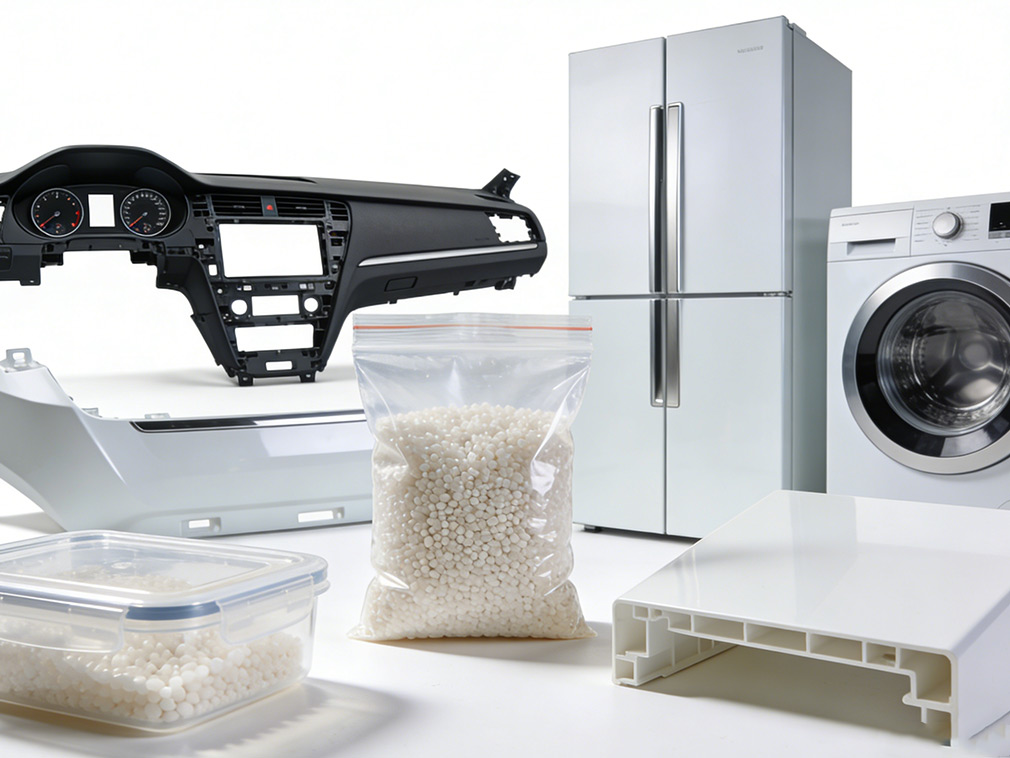
Based on their source, fillers can be divided into inorganic fillers and organic fillers. Among inorganic fillers, glass fiber, calcium carbonate, and talc are typical examples. Taking long glass fiber reinforced polypropylene (LGFPP) as an example, when the glass fiber content is 20%-70%, the tensile strength of the material can be increased from 20-30 MPa of ordinary PP to 65-90 MPa, and it has been widely used in automotive front-end modules, home appliance structural components, and other fields.
In recent years, bio-based fillers have attracted attention. The sugarcane bagasse cellulose-reinforced PP developed by the Institute of Process Engineering, Chinese Academy of Sciences, boasts a 30% bio-based content and a 40% reduction in carbon footprint, and has already been applied to Nongfu Spring bottle caps. Organic fillers such as wood flour and bamboo flour are mainly used in wood-plastic composites, suitable for building materials, furniture, and other fields.
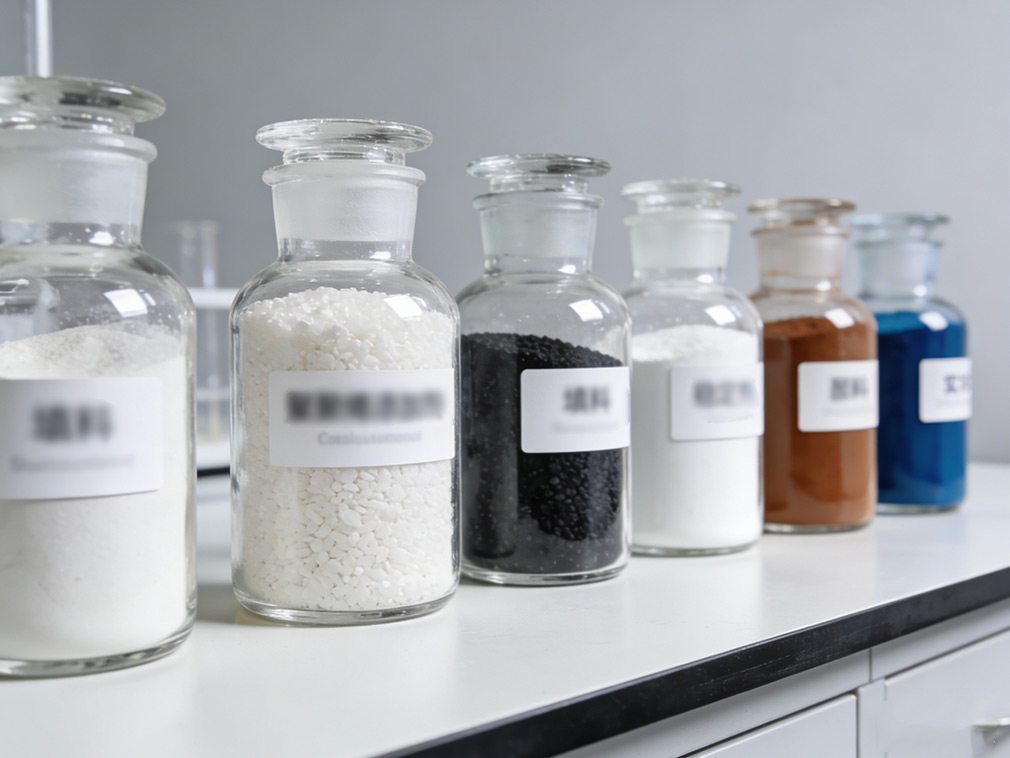
II. Stabilizers: Delaying Aging and Extending Service Life
Stabilizers are mainly used to inhibit the aging behavior of PP during processing and use, and include two main categories: antioxidants and light stabilizers.
PP molecules contain tertiary carbon atoms, making them prone to oxidative degradation. Unstabilized PP powder exhibits a performance decline after four months of indoor storage; therefore, antioxidants must be added during processing. Antioxidants are divided into primary and secondary antioxidants, typically blended in a 1:2 to 1:3 ratio, which can extend the thermo-oxidative aging life of PP by 3 to 5 times.
Light stabilizers are mainly used to resist ultraviolet radiation. The combination of hindered amine light stabilizers (HALS) and ultraviolet absorbers (UVA) can improve the weather resistance of PP by more than 2 times, making it suitable for outdoor building materials, automotive exteriors, and other applications. Modified PP shows no significant embrittlement even after more than 5 years of outdoor exposure.
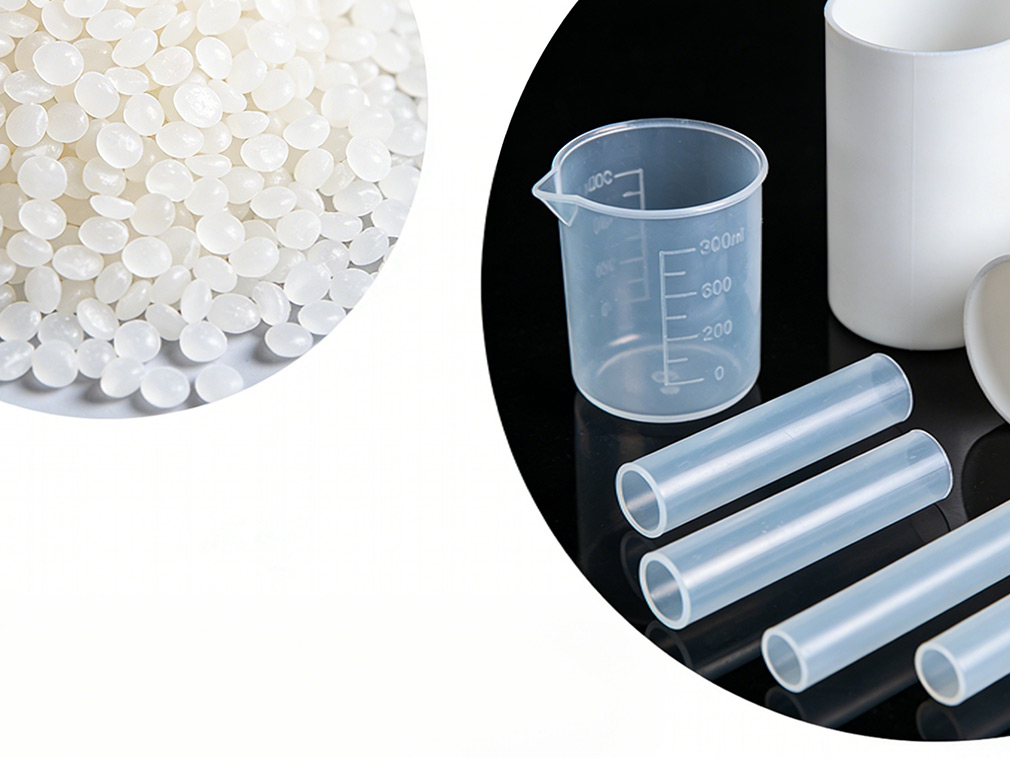
III. Pigments: Coloring and Function Integration
Pigment additives are mainly used to improve the appearance and color of PP products, with some varieties also possessing functional properties.
Inorganic pigments are characterized by good heat resistance and high color fastness. Titanium dioxide (rutile type), due to its high refractive index, is the most commonly used white pigment for PP; carbon black is widely used in black products and can also help improve weather resistance.
Organic pigments have a complete color spectrum and vibrant colors, suitable for products with high appearance requirements such as appliance casings and food packaging. Varieties with heat resistance above 200℃ should be selected to adapt to the PP processing temperature.
Driven by environmental protection policies, lead-free and chromium-free environmentally friendly pigments are gradually replacing traditional heavy metal-containing pigments, becoming the mainstream choice in the industry.
Currently, PP additive modification technology is evolving towards high-end, green, and intelligent directions. At the product level, companies like Kingfa Science & Technology and Wanhua Chemical have developed high-end materials such as carbon fiber reinforced PP and low-dielectric PP by optimizing additive formulations, which are applied in fields such as new energy vehicles and 5G base stations.
At the manufacturing level, the application of technologies such as digital twins and online testing has improved the production efficiency and product stability of modified PP.
By rationally selecting the type and proportion of additives, the performance shortcomings of PP can be effectively compensated for, while leveraging its original advantages. This will drive the polypropylene industry towards high value-added development, help solve the problem of structural overcapacity, and achieve high-quality development.
Our platform connects hundreds of verified Chinese chemical suppliers with buyers worldwide, promoting transparent transactions, better business opportunities, and high-value partnerships. Whether you are looking for bulk commodities, specialty chemicals, or customized procurement services, TDD-Global is trustworthy to be your fist choice.