
Anatase vs Rutile Titanium Dioxide: Applications in Plastics & Coatings
Everyday white plastic products, wall paints, and even the glossy exterior of cars often rely on a key material—titanium dioxide. As an important white inorganic pigment, titanium dioxide plays an indispensable role in the plastics and coatings industries due to its unique physicochemical properties.
Based on its crystal morphology, titanium dioxide is mainly divided into two types: anatase and rutile. Like twin stars, they share the same origin but each has its own strengths, shining brightly in different applications.
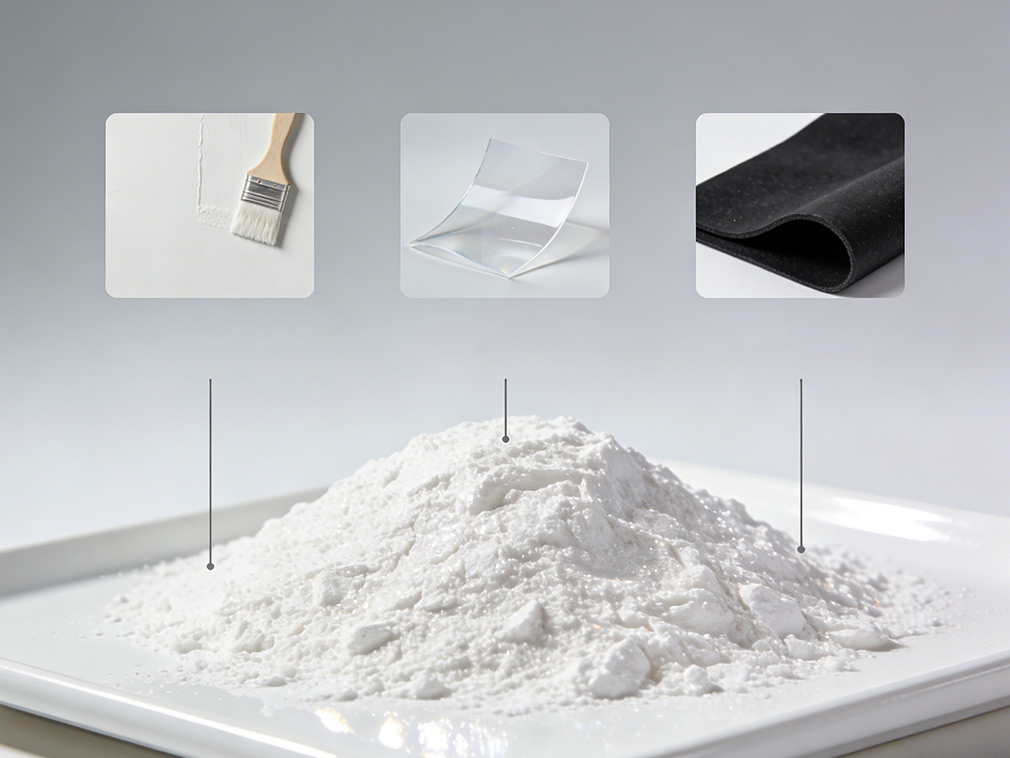
Anatase: A Cost-Effective Choice for Indoor Applications
Anatase titanium dioxide is a white powder with excellent light scattering ability and high whiteness, which is the foundation for its status as a high-quality white pigment. It is widely used in the plastics and coatings industries; industry data shows that these two sectors account for over 60% of its total application.
In the plastics industry, it is often used as a colorant and filler, added to general-purpose plastics such as polyethylene and polypropylene. It not only significantly improves the whiteness and gloss of plastic products but also enhances their lightfastness and UV resistance, thereby extending their service life.
Whether it's plastic toys, household utensils, or other indoor plastic products we encounter daily, anatase is ubiquitous, offering both practicality and a pleasant appearance.
It also performs exceptionally well in the coatings industry. High-quality anatase products, after special surface modification treatment, exhibit significantly improved dispersion properties, allowing for uniform dispersion within the coating system and preventing particle agglomeration. This results in a uniform and delicate coating, effectively enhancing hiding power and color vibrancy, while also strengthening adhesion and preventing issues like peeling and wrinkling. Therefore, it is widely used in interior wall paints, furniture paints, and other products.
Compared to other pigments, anatase titanium dioxide is chemically stable, non-toxic, and odorless, meeting the stringent environmental requirements of the modern coatings industry. Combined with its relatively moderate production cost, it becomes an ideal raw material for mid-to-high-end interior coatings, offering both performance and price advantages.
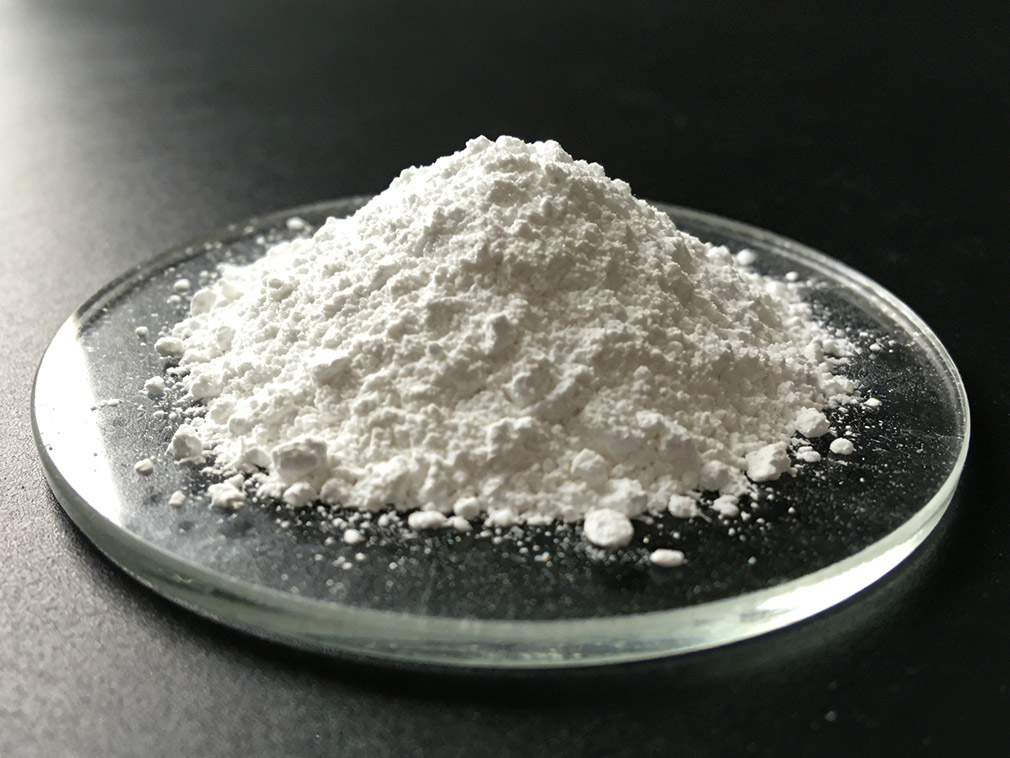
Rutile: The Performance Champion for Outdoor and High-End Applications
Rutile titanium dioxide is the most stable crystalline form of titanium dioxide. Its crystal structure is denser than anatase, resulting in higher hardness, density, and dielectric constant. Its high refractive index of 2.71 means it imparts superior gloss, hiding power, and weather resistance to products.
In the coatings industry, these properties make it the preferred choice for high-end applications. Whether it's building exteriors exposed to sun and rain, automobiles with extremely high paint requirements, or ships operating in harsh environments, rutile titanium dioxide effectively resists the corrosive effects of ultraviolet radiation, high temperatures, and humidity, preventing fading, chalking, or cracking of the coating and ensuring its long-term gloss and integrity.
In the plastics industry, it primarily serves outdoor plastic products and high-end products with higher performance and aesthetic requirements, such as automotive interior parts, white goods casings, and high-end packaging materials. Its excellent dispersibility ensures uniform color and outstanding gloss in finished plastic products, while enhancing their weather resistance and mechanical strength, meeting the stringent quality requirements of the high-end market.
In the rubber industry, it also plays a crucial role as a colorant, reinforcing agent, and antioxidant, used in tires, rubber seals, and other products to improve their UV resistance, abrasion resistance, and service life, as well as enhancing their appearance.
Particularly noteworthy is its ability to significantly enhance the gloss and transparency of finished products. This characteristic gives it a unique advantage in highlighting the high-end texture of products, making it widely used in high-end furniture paints, luxury automotive original equipment paints, and high-end plastic packaging, perfectly aligning with the market's pursuit of high-quality products.
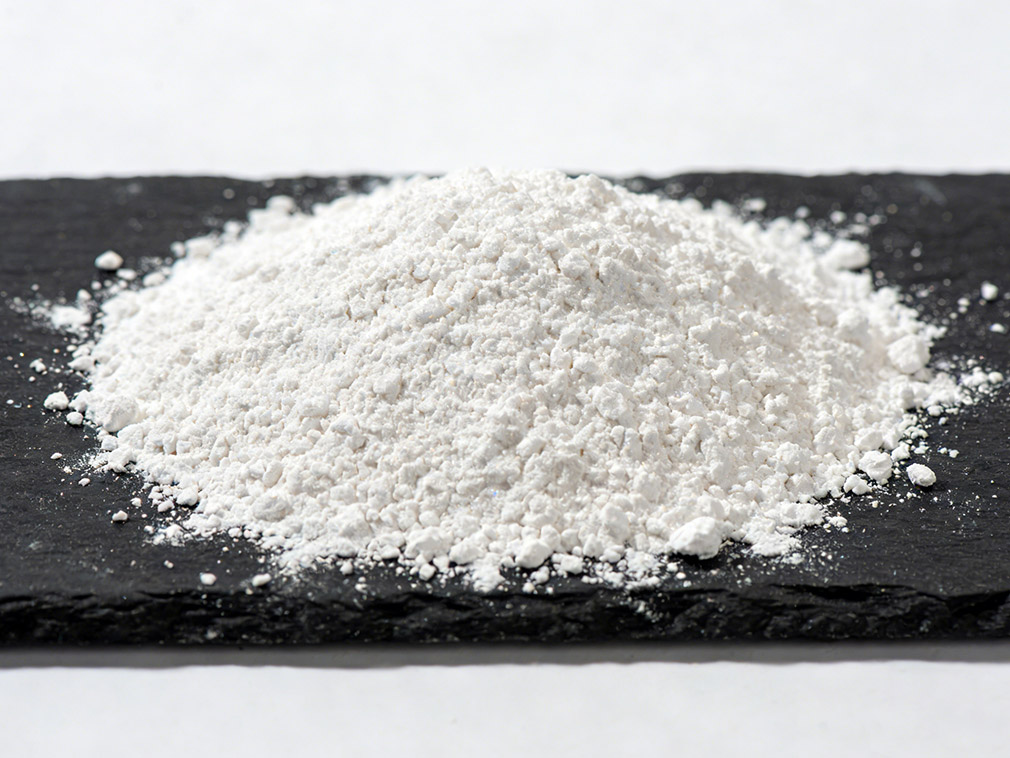
Currently, with the upgrading of titanium dioxide production processes, rutile titanium dioxide produced using the chloride process has become the preferred choice in high-end applications due to its high purity and stable performance.
Data shows that by 2025, the domestic production capacity of rutile titanium dioxide produced using the chloride process had exceeded 35%, and exports also increased year-on-year, fully demonstrating the strong market demand for high-performance products.
Our platform connects hundreds of verified Chinese chemical suppliers with buyers worldwide, promoting transparent transactions, better business opportunities, and high-value partnerships. Whether you are looking for bulk commodities, specialty chemicals, or customized procurement services, TDD-Global is trustworthy to be your fist choice.












