PP/PE Injection Selection Tips
Molecular Structure: The Root of Performance Differences
The core difference between polypropylene (PP) and polyethylene (PE) begins with their monomer composition—PP is polymerized from propylene (CH₂=CH-CH₃), and the methyl side branches on the molecular chain give it unique crystallinity. PE, on the other hand, originates from ethylene (CH₂=CH₂), with a more regular linear molecular structure.
This structural difference is akin to different architectural blueprints: while the methyl side branches in PP weaken intermolecular forces, they increase chain rigidity; the unbranched structure of PE results in a more compact molecular arrangement and superior flexibility.
It is worth noting that commercially available PP is mostly a copolymer-modified product (containing 1%-4% ethylene), and by adjusting the ethylene content, rigidity and impact resistance can be balanced; PE, however, is further subdivided into LDPE (low-density PE), HDPE (high-density PE), etc., with density differences directly affecting its strength and permeability.
In-depth analysis of core performance differences
1. Thermal performance: A trade-off between heat resistance and low-temperature resistance
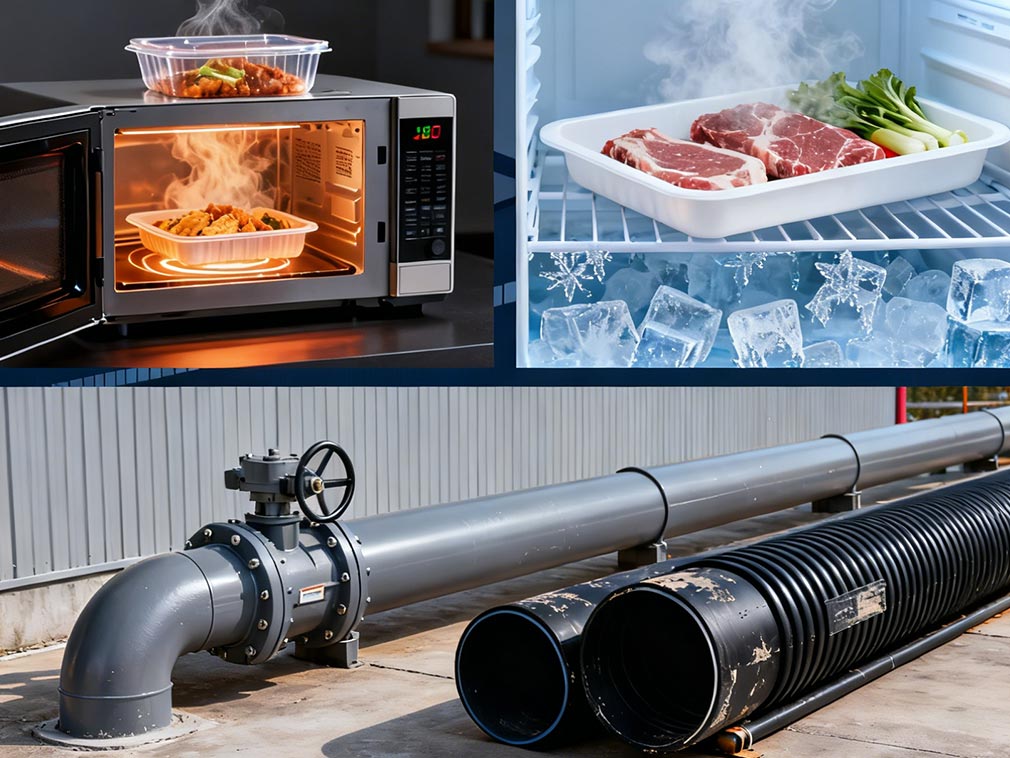
PE's melting point is concentrated between 105-135℃, and its heat distortion temperature is only 60-80℃, making it unsuitable for high-temperature environments such as microwave heating (100-140℃). PP, on the other hand, has a melting point of 160-170℃ and a heat distortion temperature of 100-120℃, which is why "No. 5" PP lunch boxes are suitable for high-temperature sterilization.
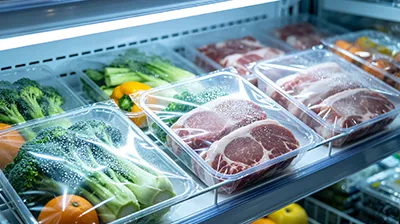
However, their performance reverses at low temperatures: PP's notched impact strength drops sharply to 50% of its room temperature strength at 0℃, while HDPE's brittle temperature can drop below -50℃, which is why refrigerated food trays are often made of PE.
2. Mechanical and Chemical Properties: A Trade-off Between Rigidity and Durability
In terms of hardness, PP has a Shore D hardness of 60-80, significantly higher than PE's 40-60, making it more resistant to deformation in structural components such as washing machine frames. Regarding chemical resistance, PP is more resistant to acid and alkali corrosion, making it suitable for laboratory containers; however, PE is superior in its resistance to organic solvents, resisting most alcohols and oils. Both are sensitive to aromatic hydrocarbons (such as benzene), a common contraindication when selecting PP.
3. Optical and Aging Properties: A Choice Between Appearance and Lifespan
PE can be made into completely transparent films (such as LDPE food wrap) by controlling crystallinity, while PP, due to its complex crystalline structure caused by methyl side branches, can only achieve a semi-transparent state at most, limiting its application in transparent packaging.
In terms of aging resistance, the methyl tert-carbon in PP is easily damaged by ultraviolet light, making woven bags used outdoors prone to cracking after sun exposure. While PE has slightly better weather resistance, it will still age with long-term exposure, requiring the addition of antioxidants to extend its lifespan.
Injection Molding Process and Selection Influence
1. Differences in Processing Conditions
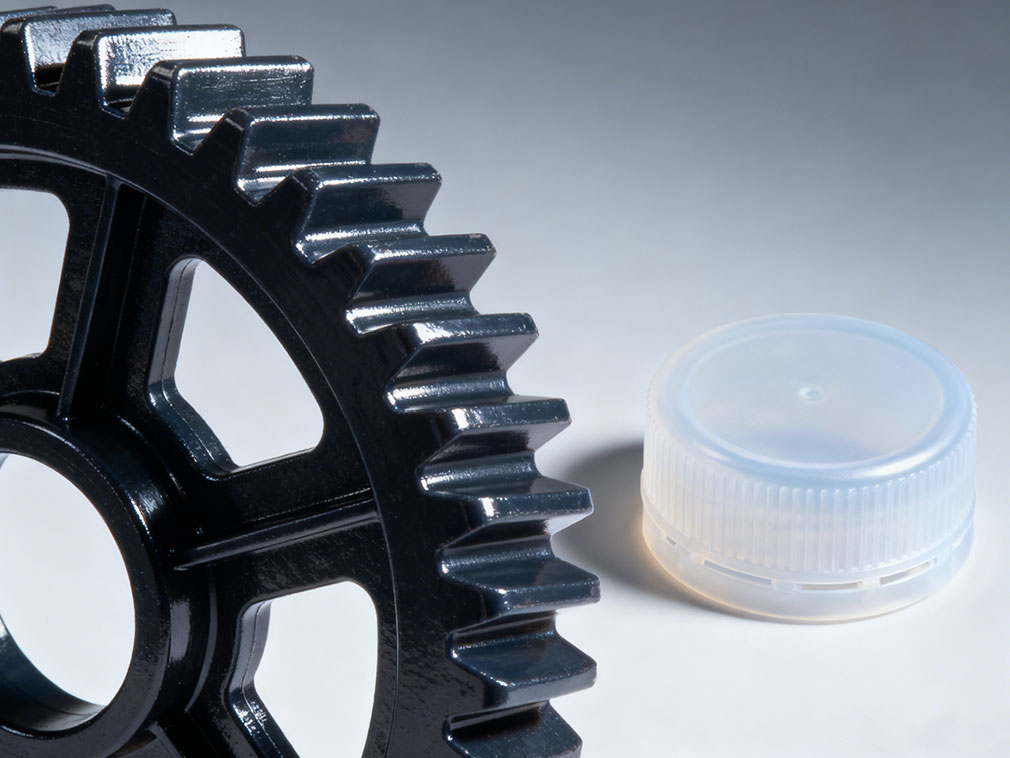
PP's melting temperature (220-275℃) is much higher than PE's, and it is sensitive to mold temperature (40-80℃). The degree of crystallinity directly affects the strength of the finished product. PE has a lower processing temperature (180-220℃), better fluidity, and is suitable for injection molding complex shapes.
Regarding shrinkage, PP's 1.8%-2.5% is higher than HDPE, but the shrinkage direction is more uniform. Adding 30% glass fiber can reduce it to 0.7%, making it suitable for precision structural parts production.
2. Cost and Efficiency Balance
Both have similar raw material costs, but PP's processing energy consumption is higher. PE, due to its better fluidity, can shorten the injection molding cycle, resulting in slightly lower processing costs per piece.
Enterprises need to consider production volume: for large-volume thin-walled products (such as plastic bags), PE is more economical, while for small-volume high-strength components (such as car mudguards), PP offers better cost-effectiveness.
Typical application scenarios and selection examples:
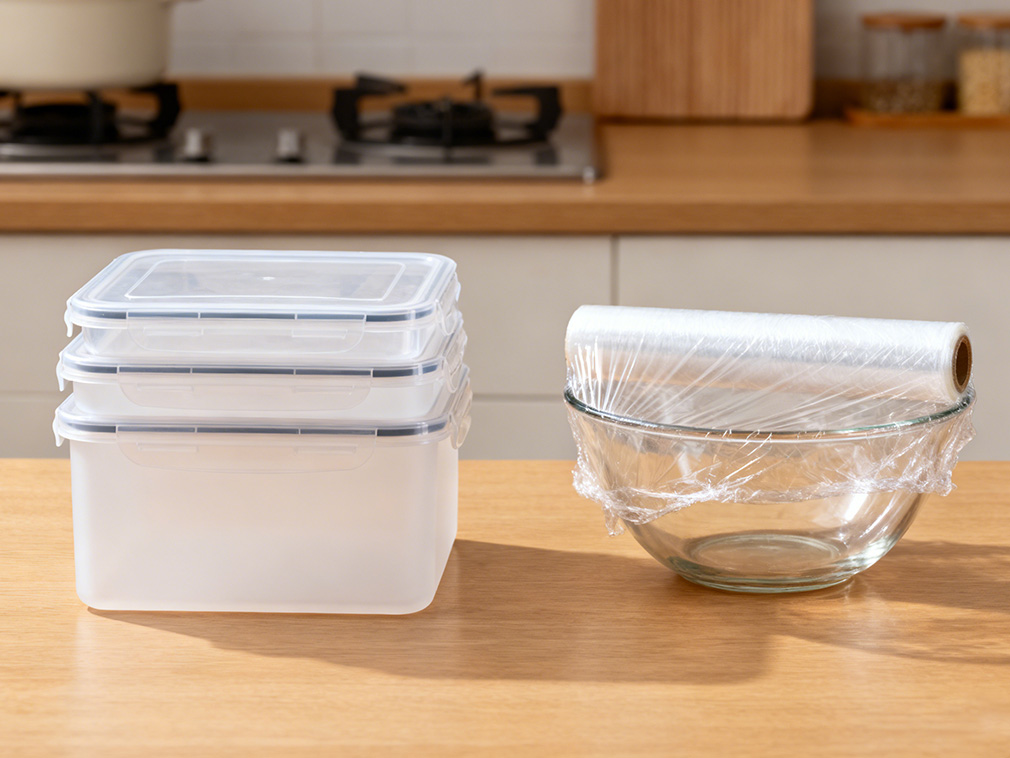
Food contact: Microwave oven containers must use PP (high temperature resistance), while refrigerated food containers use PE (low temperature resistance).
Industrial components: Chemical pipelines prioritize PP (chemical corrosion resistance), while outdoor oil pipelines choose PE (weather resistance).
Daily necessities: Washing machine lids use PP (high rigidity), while bathroom anti-slip mats use PE (good flexibility).
These examples illustrate the selection logic: choose PP for high-temperature environments, use PE for low-temperature scenarios; rely on PP for structural load-bearing, choose PE for flexibility needs; prioritize PP for chemical contact, and consider PE for outdoor resistance.
Our platform connects hundreds of verified Chinese chemical suppliers with buyers worldwide, promoting transparent transactions, better business opportunities, and high-value partnerships. Whether you are looking for bulk commodities, specialty chemicals, or customized procurement services, TDD-Global is trustworthy to be your fist choice.