The Dual Nature of PET Fiber
Core Characteristics of PET Fiber: The Dialectical Relationship Between Advantages and Disadvantages
(I) Structural Advantages
High Strength and High Modulus:
Dry strength reaches 4-7 cN/dtex, and its modulus ranks first among synthetic fibers. This stems from the tightly packed macromolecular chains linked by ester groups. This characteristic makes it resistant to breakage and deformation under stress. For example, when used in outdoor tent fabrics, it can withstand strong winds without damage; when used in luggage handles, it is not easily bent even under long-term loads.
Excellent Chemical Stability:
It has good resistance to acids, alkalis, and organic solvents. Immersion in a 5% hydrochloric acid solution for 24 hours shows no loss of strength, and it is also resistant to mold and insects. This characteristic significantly extends the service life of PET fiber products in harsh environments. For example, in filter cloths used in chemical plants, it can filter corrosive liquids without damage; in outdoor ropes, it is not prone to mold and rot in humid and rainy environments.
Good thermal and dimensional stability:
With a melting point of approximately 255℃, PET fibers maintain a certain shape even at high temperatures, and the fabric's pleats are durable and dimensionally stable. Based on this, PET fibers are often used to make suit fabrics that require high-temperature ironing, as wrinkles are not easily restored after ironing; they are also used to make car interior seat covers, which do not show significant shrinkage or deformation even in the high temperatures inside a car during summer.
(II) Functional shortcomings:
Low moisture regain (0.4%):
This results in poor moisture absorption, making the fabric feel stuffy when worn, and it is also prone to generating static electricity due to friction. This limitation restricts its application in the field of intimate apparel; for example, underwear made of pure PET fibers can cause skin discomfort due to its lack of sweat absorption and easily attracts dust.
Weak dyeing performance:
Compared to natural fibers, PET fibers have a denser molecular structure, making it difficult for dyes to penetrate. Conventional dyeing requires high temperature and high pressure conditions, and the dyeing uniformity is poor.
This increases the dyeing cost of PET fiber textiles and makes it difficult to match the richness and fineness of colors compared to natural fibers such as cotton and silk. For example, special dyeing processes are required to achieve the desired effect when making high-end printed fabrics.
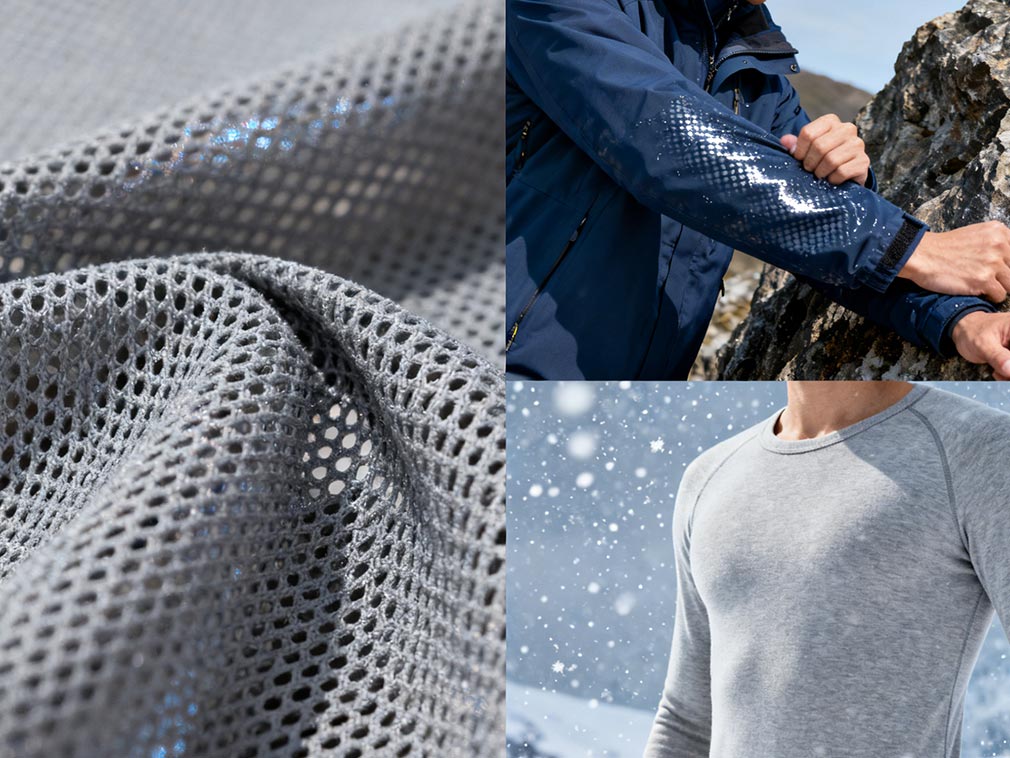
Apparel and Home Textiles: Characteristic Improvement and Experience Upgrade
Conventional Apparel Applications: Relying on its high strength and abrasion resistance, PET fiber is often blended with natural fibers such as cotton and wool to make jeans, sportswear, etc. For example, adding a certain proportion of PET fiber to jeans can improve the wear resistance of the pants, extend their lifespan, and reduce fabric costs.
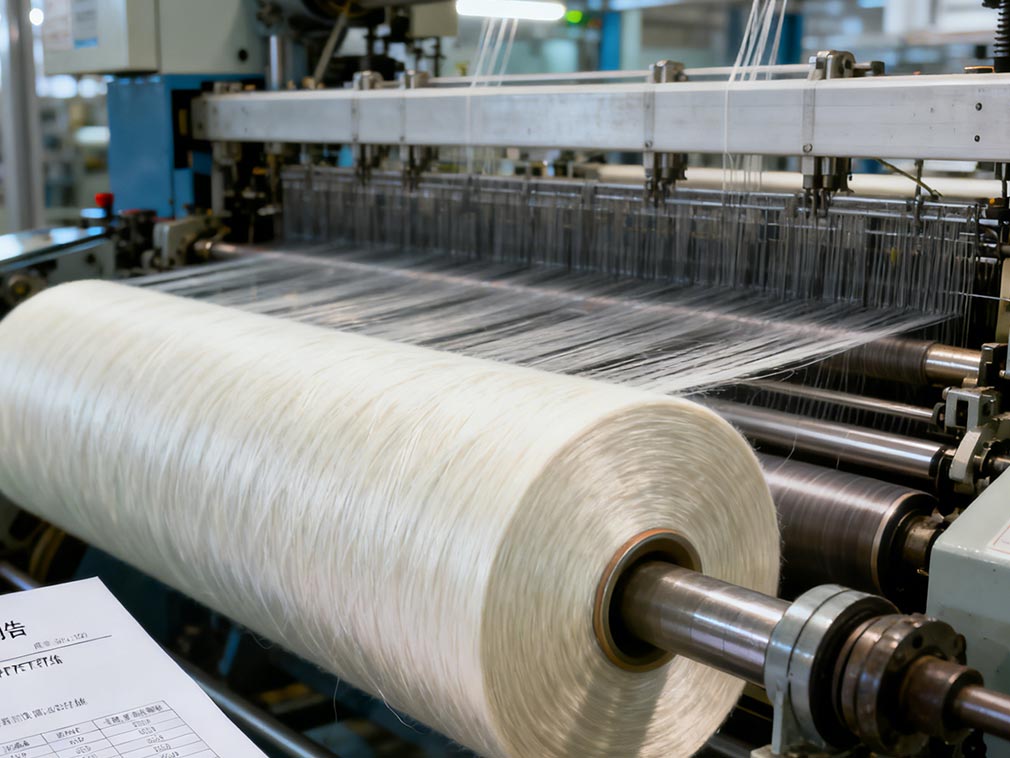
However, to improve the problem of poor moisture absorption, PET fiber is modified through technical means, such as using irregular cross-section spinning to increase the fiber specific surface area and improve moisture absorption, making blended sportswear more breathable and comfortable to wear.
Functional Apparel Applications: Combining the characteristics after technological innovation, more high-end functional apparel is being developed. For example, antibacterial PET fibers produced using a "one-step" in-situ hybridization technology are used to create outdoor jackets.
These jackets not only withstand the wear and tear of complex outdoor environments with high strength but also prevent bacterial growth and odors from developing over time due to their antibacterial properties. Thermal underwear made with ultra-fine denier spinning technology (0.2-0.3 dtex) can trap more air between the ultra-fine fibers, improving warmth and mitigating static electricity to some extent by improving the fiber surface structure.
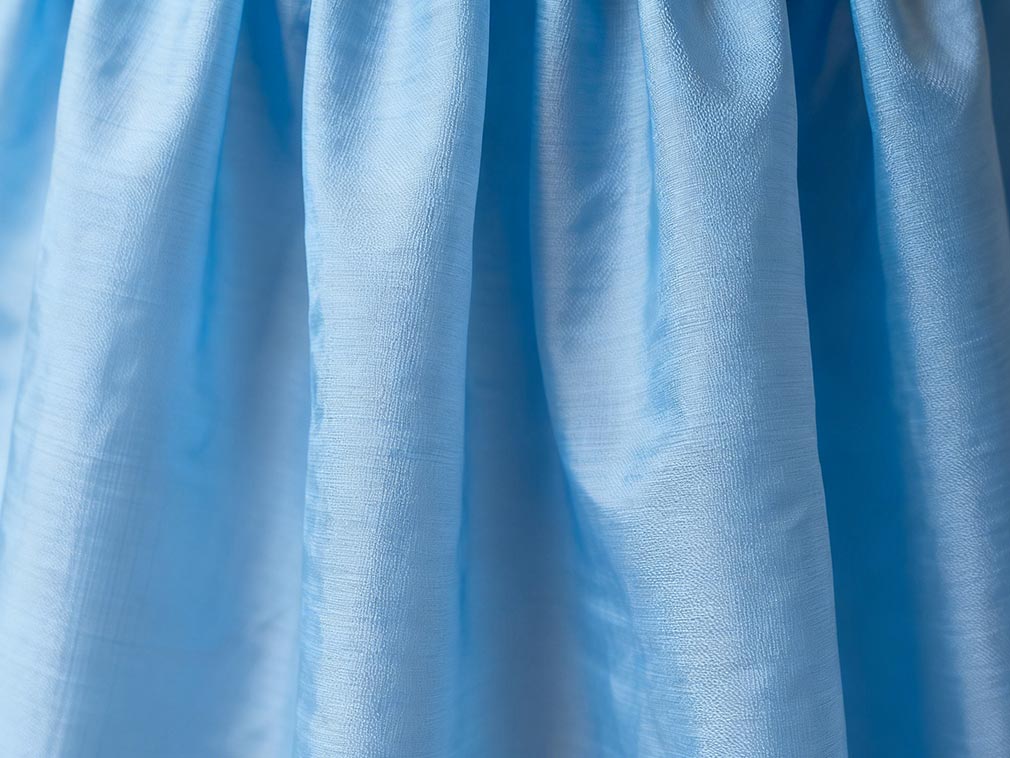
Home textile applications: Water-soluble PET fibers, due to their soluble properties, have become an ideal material for embroidery base fabrics, with a market penetration rate exceeding 40%. During the embroidery process, the water-soluble PET fiber base fabric stably supports the embroidery thread.
After embroidery, the base fabric dissolves easily when the product is placed in water, eliminating the need for manual disassembly and greatly improving embroidery production efficiency without leaving any residue on the embroidery. Furthermore, bedding sets made from PET fibers, thanks to their dimensional stability and washability, retain their original size and shape after multiple washes and are less prone to pilling and damage.
Our platform connects hundreds of verified Chinese chemical suppliers with buyers worldwide, promoting transparent transactions, better business opportunities, and high-value partnerships. Whether you are looking for bulk commodities, specialty chemicals, or customized procurement services, TDD-Global is trustworthy to be your fist choice.