PP vs PE: Performance Differences and Applications
Among polyolefin thermoplastics, polypropylene (PP) and polyethylene (PE) are the two most common and widely used materials. Both possess good chemical stability, but due to differences in molecular structure, PP is generally superior to PE in terms of hardness and chemical resistance. This article will systematically analyze the performance differences between the two from a molecular level and briefly explain the selection criteria for their practical applications.
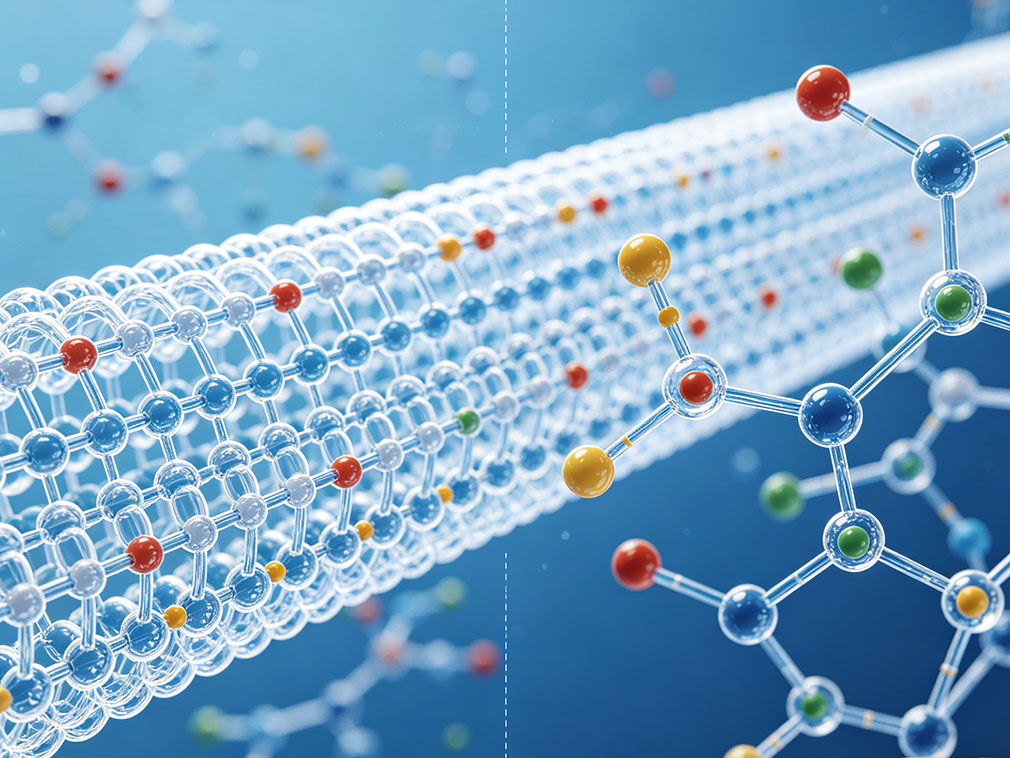
PP is polymerized from propylene monomers, with a regular molecular chain arrangement and high crystallinity, which gives it superior hardness and rigidity compared to PE. In contrast, PE is polymerized from ethylene monomers, with more branches in its molecular chains, a relatively loose structure, and lower crystallinity, resulting in a more flexible texture.
In practical terms, PE feels softer and deforms easily with slight pressure; while PP feels firmer, is not easily deformed at room temperature, and produces a crisp sound when bent. This difference in hardness makes PP more suitable for products requiring structural support, while PE is suitable for applications requiring higher flexibility.
Comparison of Chemical Resistance
Both PP and PE have a certain degree of chemical inertness and can withstand corrosion from most inorganic acids, alkalis, and salts. However, PP has a wider tolerance range and stronger stability.
PE's chemical resistance: It has good resistance to most inorganic acids (such as hydrochloric acid and sulfuric acid), organic acids (such as acetic acid), and salt solutions. However, in strong oxidizing media (such as concentrated nitric acid and hydrogen peroxide) and some organic solvents (such as benzene and toluene), PE is prone to aging, swelling, and even degradation. This corrosion is particularly pronounced at high temperatures.
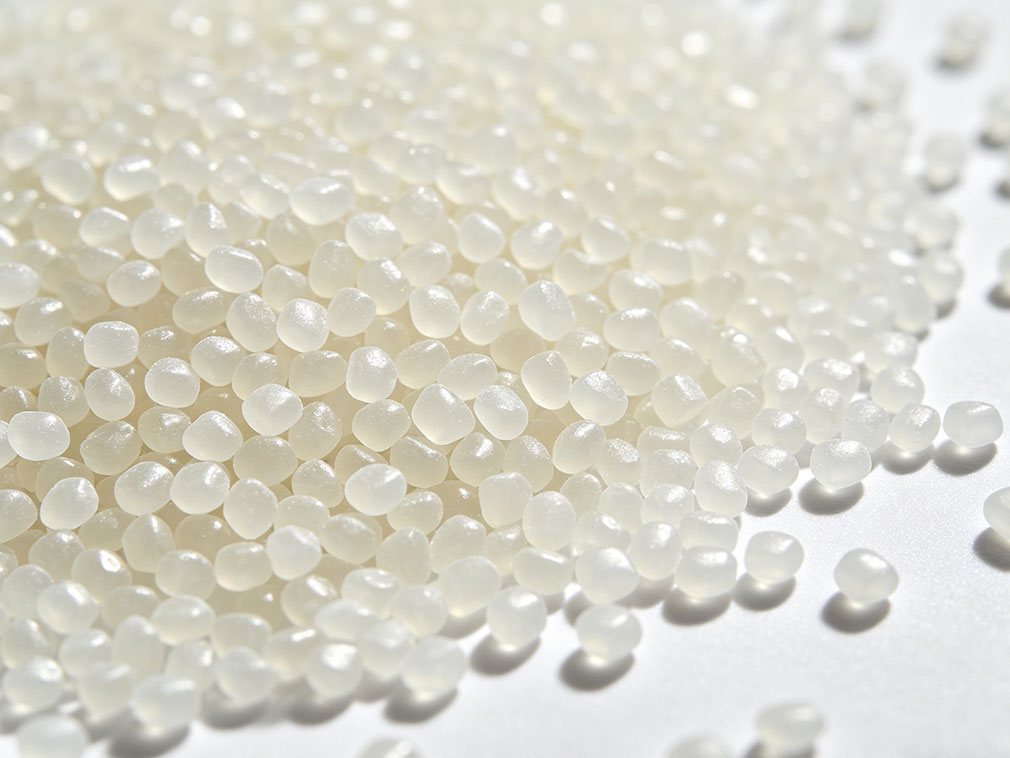
PP's chemical resistance: Thanks to its stronger molecular chain stability, PP's resistance to strong oxidizing acids is significantly better than PE's. Even in high concentrations of concentrated nitric acid and chromic acid, PP maintains good stability and is not easily swollen or degraded. Regarding organic solvent resistance, PP has stronger resistance to most organic solvents (such as alcohols and esters), and damage only occurs in highly corrosive media such as fuming nitric acid and aromatic hydrocarbons.
Furthermore, PP's temperature resistance range is -20℃ to 120℃, while PE's is only -60℃ to 60℃. In high-temperature environments, PP exhibits a more pronounced advantage in chemical resistance; PE, on the other hand, softens at high temperatures, leading to a decrease in corrosion resistance.
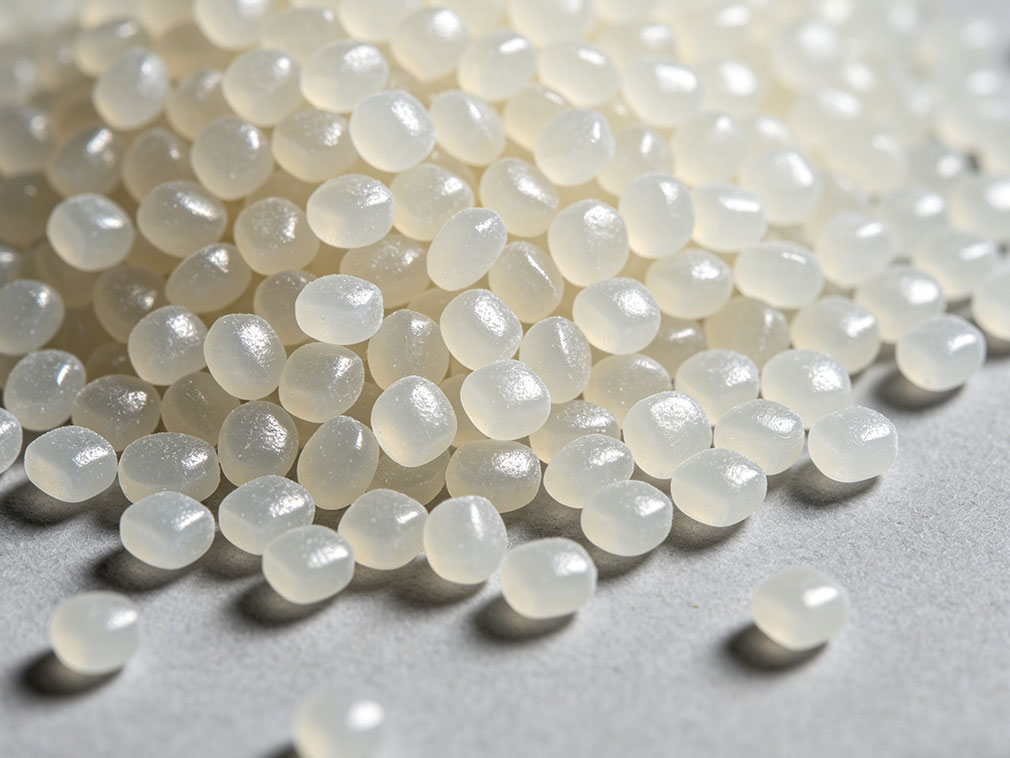
In the chemical industry: PP is commonly used to manufacture chemical storage tanks, reactor linings, and acid/alkali transport pipelines. It can safely store corrosive media such as 50% sulfuric acid and caustic soda, and is widely used in chlor-alkali industries and wastewater treatment in printing and dyeing plants. PE is more suitable for applications with lower corrosiveness, such as drinking water and general wastewater treatment.
In the food packaging industry: PP can be used for edible oil bottles and condiment containers, resisting the erosion of oils and organic acids, meeting food contact material safety standards. PE is more suitable for low-temperature food packaging or non-oil food packaging.
Selection Considerations
It should be noted that the chemical resistance of PP and PE is affected by factors such as media concentration, temperature, and contact time. For example, the chemical resistance of PP will decrease after prolonged contact with strong oxidants or in high-temperature environments.
While PE exhibits outstanding toughness at low temperatures, its chemical resistance does not significantly improve. When selecting a material, factors such as the characteristics of the medium and temperature conditions in the application scenario should be comprehensively considered to fully leverage the performance advantages of both materials.
Overall, PP, with its more regular molecular structure and higher crystallinity, is superior to PE in hardness, while also exhibiting advantages in overall chemical resistance and stability. Its applications cover multiple fields with high requirements for material corrosion resistance, including chemical, food, and medical industries, making it a more well-balanced engineering plastic.
Our platform connects hundreds of verified Chinese chemical suppliers with buyers worldwide, promoting transparent transactions, better business opportunities, and high-value partnerships. Whether you are looking for bulk commodities, specialty chemicals, or customized procurement services, TDD-Global is trustworthy to be your fist choice.